
Halifax scraps paper ballots, but other cities say no

Halifax scraps paper ballots, but other cities say no
Toronto is not confident in the technology and is refusing to use it
Halifax will be the first major Canadian city to eliminate paper ballots after city council approved a move to electronic-only voting for future municipal elections.
Starting in 2028, residents will be able to vote over the phone or online 24 hours a day for the duration of the voting period. A few in-person stations will remain open to help anyone who needs technological assistance.
The city has used a mix of paper and electronic voting since 2008.
A report from the Halifax Election Office says cutting paper ballots entirely will save money, require fewer staff and speed up vote counting.
While Halifax council unanimously agreed to the change on Tuesday, other major Canadian cities say security worries or provincial laws stand in the way.
Officials in several major cities told CBC News they are not considering eliminating paper ballots anytime soon.
“We are not confident that internet voting can provide the same combination of security, transparency, scrutiny, auditability, and public confidence as voter-marked paper ballots for a city the size of Toronto,” said City of Toronto spokesperson Mahreen Dasoo.
How electronic tablets are being used for voting in the N.S. election
Provincial laws in Alberta, British Columbia, Manitoba and Quebec require paper ballots and ban electronic voting, according to officials in Edmonton, Vancouver, Winnipeg and Montreal.
“In compliance with the legislation, the City of Edmonton does not have plans to implement electronic voting or eliminate paper ballots,” Edmonton spokesperson Carmen Wiggins said in an email.
Alberta recently went further, changing its laws in 2024 to ban voting machines and mandate hand-counted ballots. The province did not respond to questions by publication time.
Montreal was going to test electronic voting, but the project was cancelled when no bidders met the province's requirements. Bidders lacked experience running large-scale online elections, according to Elections Quebec, which has dropped the idea for now.
Vancouver asked British Columbia to allow electronic voting in 2021, but the province said no. That stance hasn't changed.
“The Province is not currently considering amendments to local election legislation to enable online voting,” Minister of Housing and Municipal Affairs Christine Boyle stated to CBC News. “Any future consideration would require thorough examination of security, privacy, anonymity, accessibility and election integrity issues.”
Halifax councillors 'embarrassed' that tap-to-pay transit delayed until December
'People want some answers': Councillors react to investigation into Halifax mayor’s expenses
Flags and patriotic ads: Why the rules around referendum advertising are causing a stir
Ontario laws do permit electronic voting, with a Brock University study finding that 222 municipalities in the province used online voting in 2022. Even so, Toronto and Ottawa have no plans to adopt it for their upcoming elections.
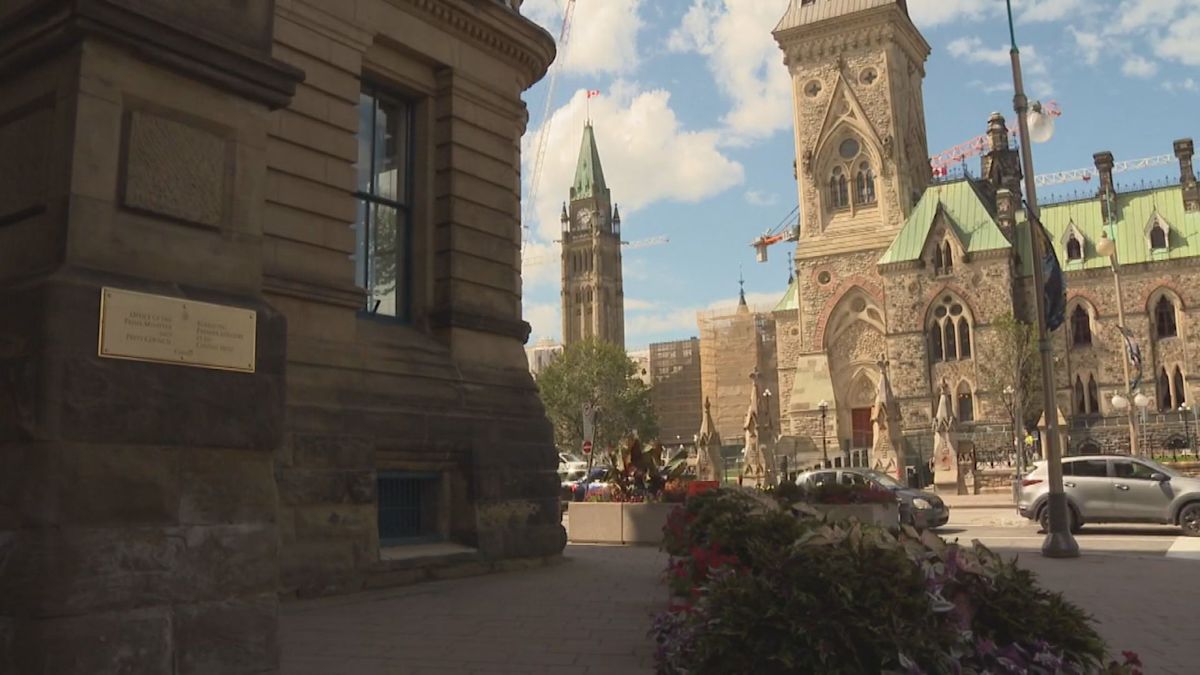
Ottawa looked into electronic voting earlier this year, but a report advised against it over security, recount, and internet access concerns. The report noted that Ontario lacks clear standards to audit or verify online results. Ottawa officials declined to comment further.
While rare across Canada, nearly three-quarters of Nova Scotia municipalities already vote electronically. Most Halifax voters did so in 2024.
Halifax election officials say they are confident in their system. City policy requires that data stay in Canada and vendors prove their online security is strong.
Running a mix of paper and digital votes costs more and takes more work. Switching completely will save the city an estimated $800,000 in 2028.
Because the city lacks the resources to run both systems on election day, it currently has to shut down online voting three days early to update paper voter lists. Dropping paper completely means online voting can run straight through, with lists updated instantly.
Coun. Janet Steele supported the change, noting that voters were frustrated when online voting closed early in the past.
“That should really contribute to more people having access and the opportunity to vote,” she said. “I think this new approach will support democracy.”
Tensions mount as Trenton town council limits public input at meetings
Former N.S. deputy premier Rollie Thornhill dies at 90
Eastern Shore wildfire remains 'out of control' despite dropping in size
Sights, sounds and pure joy from the streets of Halifax today
More than 60 N.S. emergency medical dispatchers on strike
Jenna Olsen is a 2026 Joan Donaldson/Peter Gzowski CBC News summer scholar, who previously reported for the Investigative Journalism Bureau and the Globe and Mail. She received the 2026 World Press Freedom Canada Student Achievement Award and a silver Digital Publishing Award for investigative reporting. Reach her at jenna.olsen@cbc.ca
Related Stories
 Canada
Quebec moves to protect supply chains, expand relief to more businesses as trade war intensifies
28 minutes ago
 Canada
Trump targets Bombardier on eve of Canada's new counter
28 minutes ago
 Canada
Trump says Canada
28 minutes ago
 Canada
Trump targets Canada on social media a day before counter
28 minutes ago
 Canada
Point Roberts business leader hopes town can be exempt from Canada's counter tariffs
1 hour ago
 Canada
Latest counter
1 hour ago
 Canada
Chrétien offers blunt assessment of Canada
1 hour ago
 Canada
A day before counter
1 hour ago