
Guest column: A caution about artificial intelligence
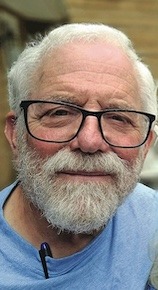
My early days of college study included using a slide rule and writing FORTRAN programs for a mainframe computer. Later, a Texas Instruments calculator made tedious engineering calculations less stressful, although not necessarily any more correct.
In the early 1980s, the electric utility where I was a senior engineer purchased personal computers for all engineering personnel. We were to take them home and teach ourselves how to use them. In the office, my trusty HP calculator remained an everyday tool, along with the company’s mainframe computer.
Decades later, my consulting engineering practice carried out much of our structural analysis using programs such as StruCalc, Forte, and ClearCalcs. Computers could perform calculations in a fraction of the time it would take a human being to do them by hand.
When I was Shelter Island’s town engineer, we had occasion to model wave action in Coecles Harbor. I spent several days working through the problem by hand and developing what seemed to me a reasonable depiction. I then gave the assignment to a summer intern.
I was surprised when I returned from lunch and he happily announced that a solution had been found using software to which he had access. What took me several days of part-time effort was reduced to less than an hour.
The intern was understandably pleased. There was only one problem: the answer was absurd. An important engineering lesson followed: Software can generate an answer, but the person using it must understand enough about the underlying problem to determine whether that answer makes sense.
My maritime career fortuitously paralleled my professional engineering work, and presented much the same lesson. Radar is a primary vessel-navigation tool. Modern radar systems include Automatic Radar Plotting Aid, which performs the mathematics necessary to calculate the closest point of approach, or CPA, of another vessel and assists in assessing collision risk.
Yet a mariner seeking a Coast Guard license is still expected to understand the underlying mathematics. Even with sophisticated electronic equipment available, the principles of manual plotting and collision avoidance remain part of the mariner’s body of knowledge. The computer may do the arithmetic, but the mariner must understand what the arithmetic means.
What does any of this have to do with artificial intelligence?
AI is commonly described as the ability of a computer or machine to perform tasks that ordinarily require human intelligence. Whether calculating the CPA between two vessels, determining the appropriate size of a structural member, or modeling wave action in a harbor, one can see the progression toward increasingly sophisticated computer-assisted decision-making.But there’s an important distinction. In all my examples, the computer produces information or a proposed solution. A human being remains responsible for understanding, evaluating and acting upon it.
It’s tempting to think that the increasingly sophisticated systems on a ship’s bridge could simply be interconnected and allowed to make decisions automatically. But maritime navigation has evolved with safeguards that preserve a clear role for the human operator. Collision-avoidance information may be highly automated, but the responsibility for interpreting the situation and safely navigating the vessel remains with the mariner.
That distinction seems particularly relevant as we enter the age of AI.
We hear increasingly about the need for human oversight of systems capable of producing answers, recommendations, images, analyses, and even decisions at a speed and scale far beyond anything previously available. At the same time, we hear arguments that AI is either over-hyped or that meaningful governmental oversight will be difficult to achieve. Even the companies developing these systems acknowledge significant questions surrounding their capabilities and limitations.
AI developers are even turning to philosophers to help them think through some of these questions. That should not be surprising. The more capable our machines become, the more important it becomes to understand what we are asking them to do — and what we are prepared to do with their answers.
When I think back, moving from the “slip-stick” to the handheld calculator seemed remarkable. Transitions to desktop computers and engineering software were equally remarkable. On the ship’s bridge, paper chart plotting gave way to GPS and electronic navigation systems capable of following a programmed course.
Yet through all these advances, one thing remained constant: the human being.
That may be the most important lesson. The computer can make the calculation. Software can produce the model. AI can generate the answer. But none of them necessarily tells us whether the answer is reasonable. My Coecles Harbor intern learned that lesson.The challenge before us with AI is considerably greater. We are moving toward asking machines to analyze, reason, create and assist in decisions affecting virtually every aspect of our lives.
We have spent decades learning how to keep humans meaningfully involved with increasingly sophisticated technologies that were designed with defined purposes and understood limitations. AI presents a different scale of challenge.
The question may not simply be how intelligent we can make the machine. It may be whether we are equally serious about preserving the human judgment necessary to understand when the machine’s answer is — and is not — the answer.
John Cronin served Shelter Island for some two decades as an EMT and town engineer. He was also a North Ferry captain for many years.
Related Stories
 AI News
SuperX AI Technology Limited (SUPX) stock price, news, quote and history
32 minutes ago
 AI News
Why Africa’s Economic Resilience Will Increasingly Depend on Data and Artificial Intelligence
32 minutes ago
 AI News
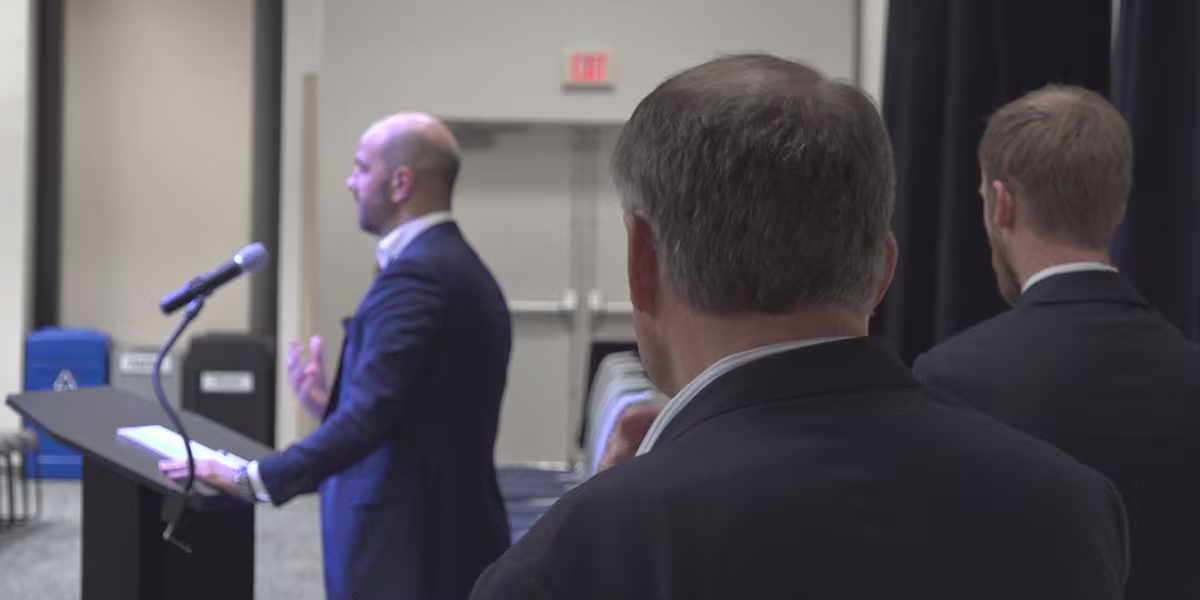
Sen. Rounds, Anthropic leaders talk AI’s future at South Dakota Mines
32 minutes ago
 AI News
📸 This week's kit news 👕
1 hour ago
 AI News
How film producer Edward Saatchi is using AI to recreate the lost ending of an Orson Welles masterpiece
1 hour ago
 AI News
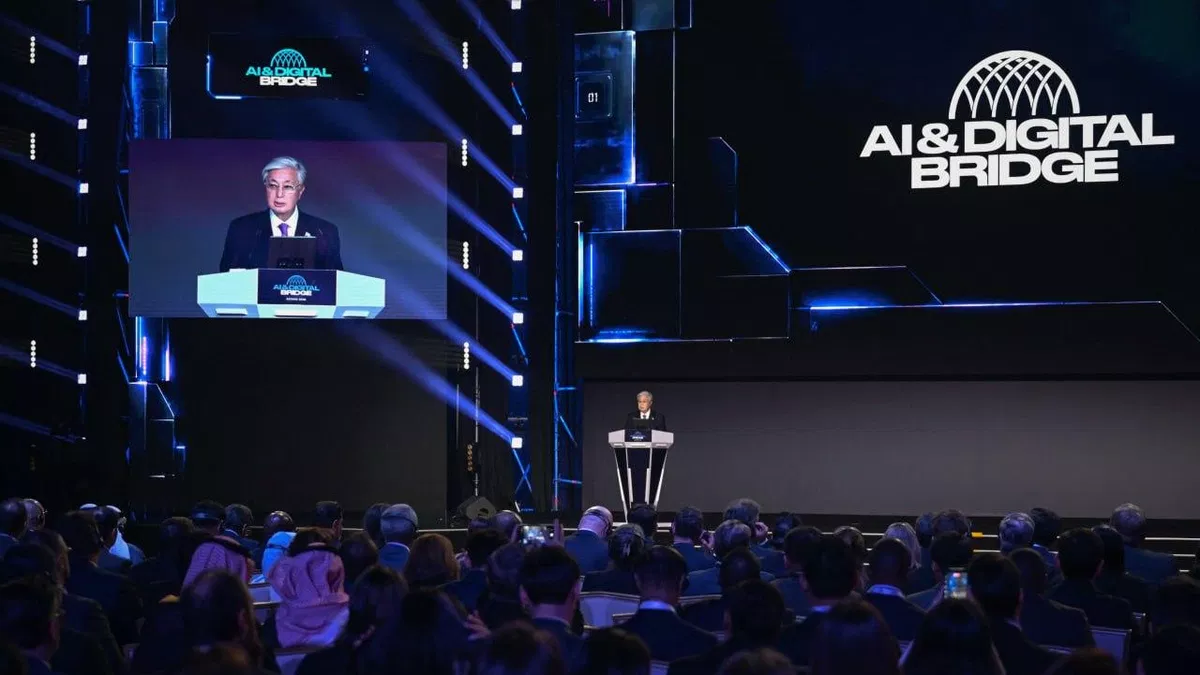
SCO Expert Forum on Artificial Intelligence
2 hours ago
 AI News
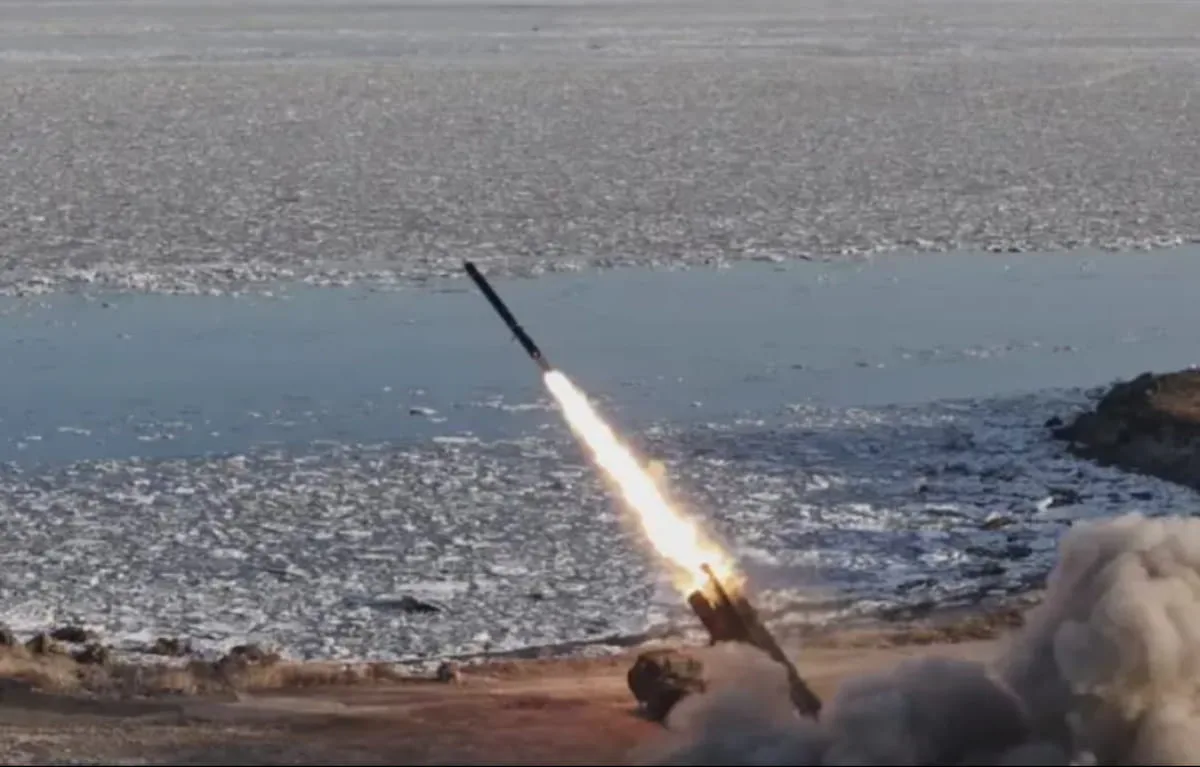
North Korea reported using artificial intelligence during a missile test
2 hours ago
 AI News
Canadian math star urges vigilance on AI
4 hours ago