
Govt plans study to strengthen India's deep

Govt plans study to strengthen India's deep-tech startup ecosystem
New Delhi, Aug. 27 -- The Centre is planning a study to examine what is needed to help the country's deep-tech startups move from research and prototypes to industrial-scale applications, two people aware of the matter said.
"The study will be commissioned by Niti Aayog in coordination with eligible agencies. To engage an agency for the study, the government's think tank has invited expressions of interest," said the first of the two persons cited above. "The plan is to complete the study within six months," this person added.
The plan comes as deep-tech startups gain importance for the country's industrial competitiveness, technological capabilities and supply-chain resilience.
India is home to more than 4,200 deep-tech startups, according to the Nasscom-Zinnov Indian Tech Startup Report 2025, released in February 2026. The deep-tech market opportunity in the country is projected to exceed $30 billion by 2030, according to a 2025 Redseer report, with defence technology, robotics and advanced industrial applications expected to drive growth.
Mint's queries emailed to the spokesperson for Niti Aayog and its vice chairman went unanswered.
Experts say India's deep-tech ecosystem now needs to focus on helping startups bridge the gap between promising prototypes and commercial deployment, with better access to pilot infrastructure, industry partnerships and patient capital.
"India has already built a strong startup ecosystem, with growing access to capital, government support and a rapidly expanding innovation infrastructure. The next opportunity is to build on this foundation by making it easier for deep-tech startups to test, iterate and scale through shared pilot infrastructure, industry partnerships and patient capital," said Prabhu Ram, vice president, industry research group, at CyberMedia Research.
The current ecosystem is promising, with enterprises and the government running innovation challenges and making efforts to engage deep-tech startups, said Pawan Prabhat, co-founder of the global data and AI company Shorthills AI, adding that, nonetheless, most ideas or challenges eventually run out of steam.
He listed two reasons. "One, corporates essentially look for early return on investment-something that can be demonstrated and deliver results in the next quarter-which is generally not possible, especially with deep-tech startups or even AI startups. The second major roadblock to production is the lack of quality data on both sides."
The study is needed as deep-tech technologies are becoming increasingly important globally, and India needs to build capabilities in areas such as semiconductors, robotics, advanced manufacturing, defence and space technologies to reduce import dependence and strengthen domestic industrial capacity, added the second person cited above.
"The tightrope, however, is not merely to develop these technologies within India but to create an ecosystem that allows domestic startups to take them from laboratories and prototypes to commercially viable products that can compete in global markets," the person said, elaborating deep-tech companies typically require high research and development spending, specialized infrastructure, intellectual property development and longer periods of funding before they can generate returns.
"Moving from a successful prototype to industrial deployment requires much more than proving that the core technology works. Deep-tech startups need dependable cloud platforms, access to specialized talent, and the ability to meet the operational and security requirements of production environments," said Tarun Dua, founder and managing director, cloud infrastructure provider E2E Networks.
The proposed study will examine the ecosystem across funding, infrastructure, regulation and links between startups, industry, academia, investors and government institutions. It will also examine how existing government initiatives can be better aligned to support deep-tech companies at different stages of their development. Published by HT Digital Content Services with permission from MINT. For any query with respect to this article or any other content requirement, please contact Editor at contentservices@htdigital.in
Related Stories
 Technology
Paris-based ColibriTD raises €4 million to scale its quantum-powered multiphysics simulation platform
57 minutes ago
 Technology
Corgi built its name insuring AI startups. Its new carrier targets dry cleaners, salons and more
57 minutes ago
 Technology
Meta's $18bn settlement may hasten reckoning for social media on child safety
1 hour ago
 Technology
Startup Numbers Hit Record Low in First Half... Technology
1 hour ago
 Technology
Vietnam PM seeks higher quality tech investments from Chinese firms
1 hour ago
 Technology
Top 25 fastest-growing software startups of summer 2026, according to Brex spend data
2 hours ago
 Technology
Corgi launches admitted carrier
2 hours ago
 Technology
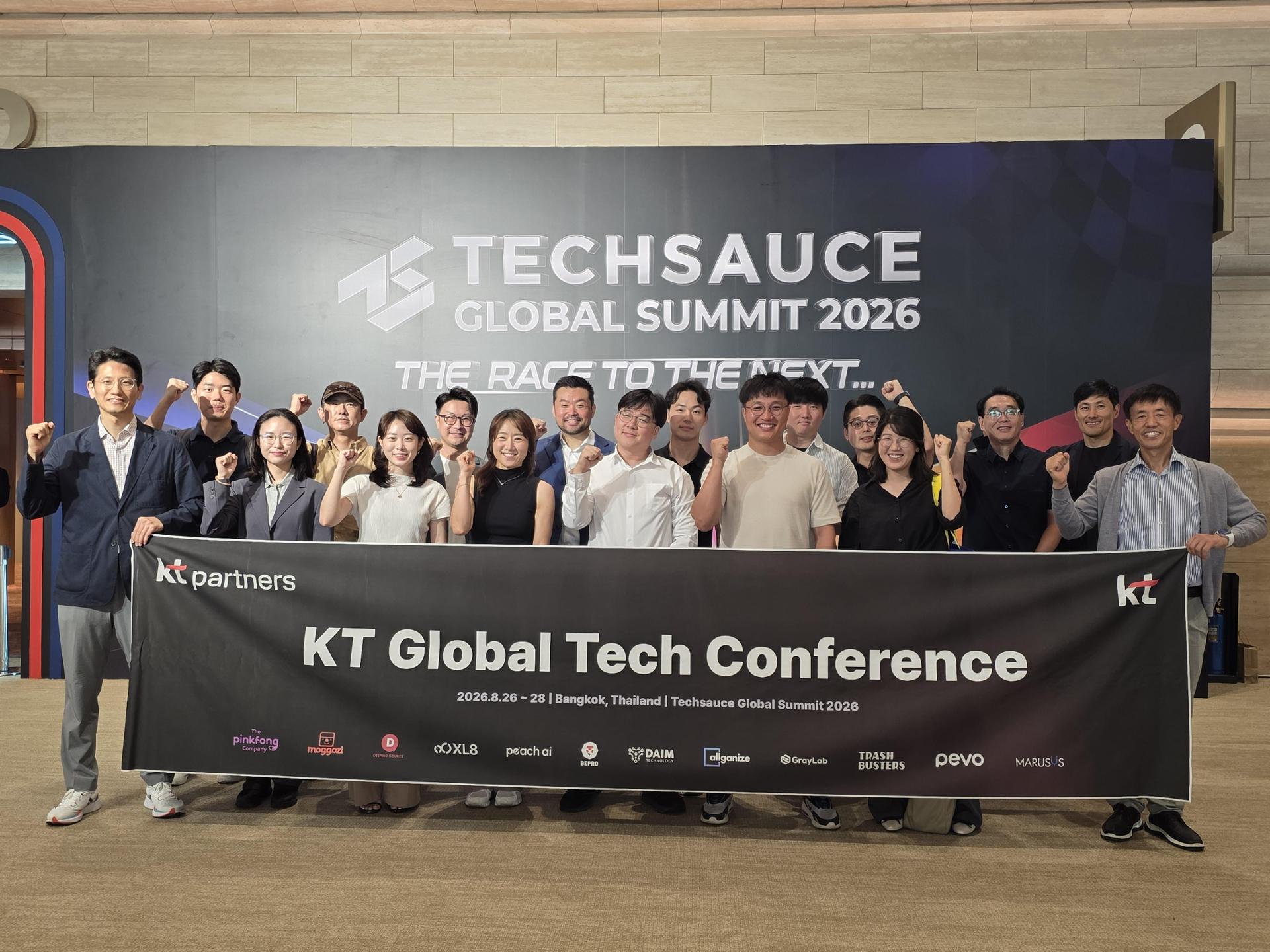
KT participates in TechSauce Global Summit 2026 in Bangkok with 12 partner startups
2 hours ago