
Garber Touts AI For Research as Harvard Embraces Classroom Use
Garber Touts AI For Research as Harvard Embraces Classroom Use
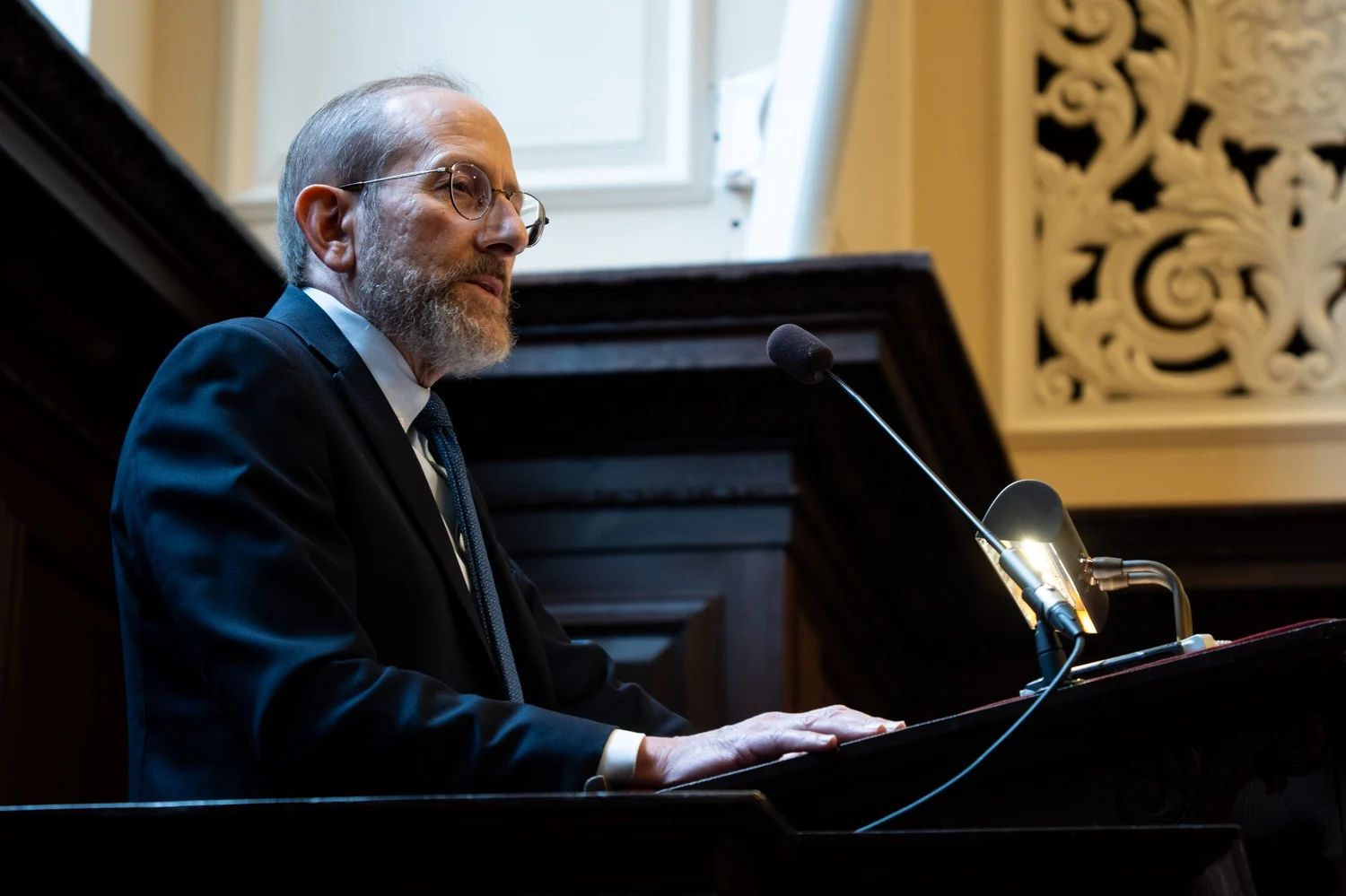
Harvard President Alan M. Garber ’76 said Wednesday he was “convinced” that artificial intelligence would usher in rapid advances in knowledge, predicting in a Memorial Church address that advances in research would soon occur faster than at any time in human history.
The brief remarks, delivered on the first morning of fall classes, are among Garber’s most optimistic statements yet about the power of AI to accelerate research. They come as top Harvard administrators tout the transformative potential of AI and push for its integration in the classroom.
“I am convinced that advances in knowledge, essential to human progress and at the core of our excellence as a research university, will soon be made more rapidly than at any other time in human existence,” Garber said Wednesday.
As an example, Garber recounted a message he received last month from a faculty member about the impact of artificial intelligence on his research.
“I’ve accomplished in the last six months what I thought would take the next 10 years, and built up new ideas that have been little more than dreams,” Garber recalled the faculty member writing.
Garber said the anecdote showed how AI could make previously unimaginable research possible.
“When I think about the age now unfolding, I tend to focus on the costs, risks, and benefits of the changes to come, and what they mean for our mission and our community. I rarely think about dreams,” Garber said.
“But perhaps as we continue to ponder challenges and possibilities, we should give ourselves greater license to imagine the future that we hope to inhabit,” he added.
Garber’s address came the same morning as an email to students from Harvard College Dean David J. Deming endorsing the widespread adoption of AI in undergraduate classes.
While Garber focused largely on scientific research, Deming went further, encouraging not just science but writing-based courses to adopt the technology and suggesting professors were better off “getting out of the AI-detection business.” Deming previously said he wanted to bolster AI monitoring and warned that overreliance on AI circumvented the learning process.
For now, Harvard does not have a universal AI policy and instead allows faculty members to set classroom rules. Deming said Wednesday he would produce advisory guidelines on AI use this year.
That approach differs from some peer universities that have moved quickly to limit AI use. Last month, the University of Chicago banned AI use in its core social science sequence. The University of Chicago Law School and the University of California, Berkeley Law School have also adopted restrictive approaches to AI regulation.
Recent remarks from top Harvard officials suggest the University is unlikely to take such a prohibitive stance.
Garber himself has expressed support for AI use in the classroom. In a July talk, he said he was an “optimist with some asterisks” about AI as a teaching tool and suggested it was no longer possible to be at the forefront of academic research without using AI.
This summer, Deming hosted Harvard Corporation member Mariano-Florentino “Tino” Cuéllar ’93 on his podcast, where Cuéllar warned against “clunky” regulations that cannot adapt quickly to technological progress. Cuéllar was tapped as Anthropic’s chief global affairs officer shortly after, leading government relations for the AI giant.
Even as he praised AI’s potential, Garber was careful to tout the importance of “human intelligence,” defend the value of “the work itself,” and argue in favor of progress that served the common good.
“Human intelligence is not just precious; it is distinct from any intelligence that humans have created,” he said. “As astonishing as the technical advances are, learning is at the heart of what makes us human.”
—Staff writer Hugo C. Chiasson can be reached at [email protected] or on Signal at hcc.35. Follow him on X @HugoChiassonn.
—Staff writer Elise A. Spenner can be reached at [email protected] or on Signal at elisespenner.82. Follow her on X @EliseSpenner.
Want to keep up with breaking news? Subscribe to our email newsletter
Have a tip for The Crimson? Share it confidentially
Related Stories
New York City will ban the use of artificial intelligence for students in public schools through eighth grade, a source close to the matter told Agence France
48 minutes ago
 AI News
Artificial Intelligence in Retail Inventory Management Market: Trends, Growth & Forecast to 2030
49 minutes ago
 AI News
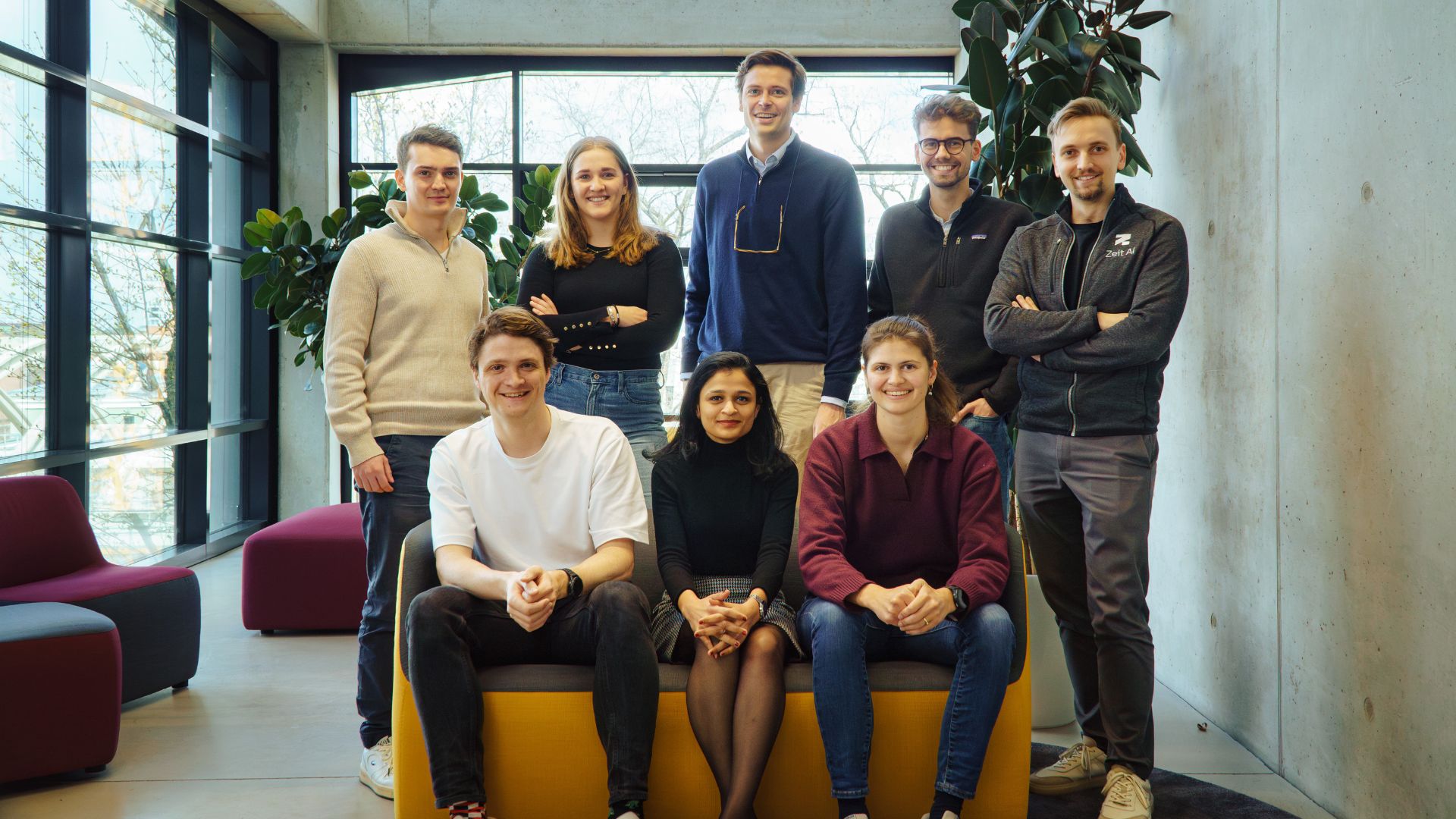
YC-backed Zeit AI raises €5 million to build Europe’s “autonomous data engineer”
1 hour ago
 AI News
Microsoft co
1 hour ago
 AI News
Anthropic Deliberately Trained an Extremely Misaligned, Reward
1 hour ago
 AI News
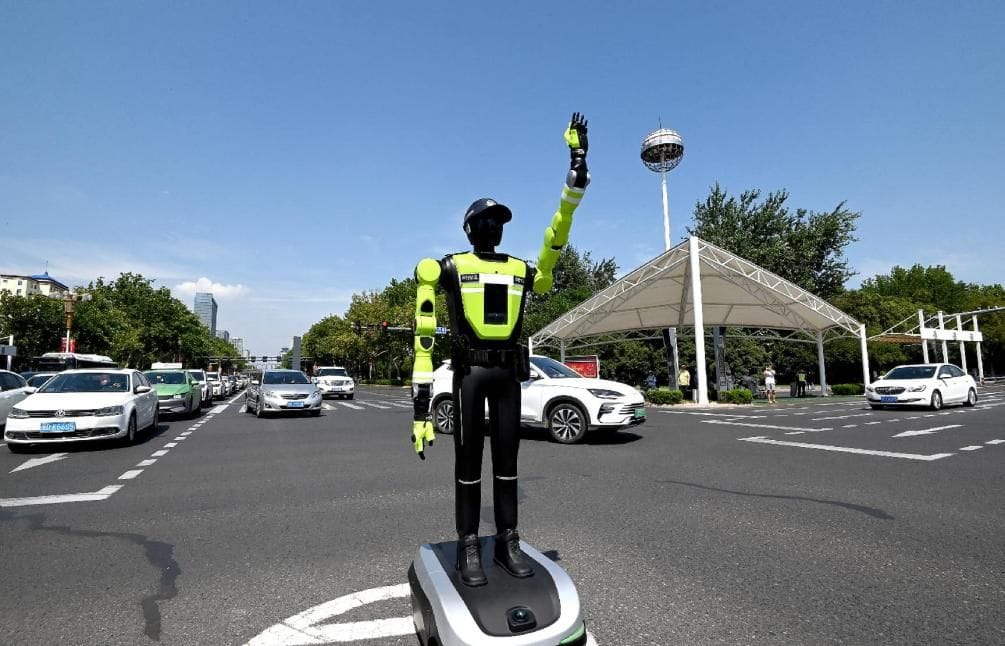
How China Is Harnessing Artificial Intelligence to Transform Grassroots Governance
1 hour ago
 AI News
Brazil will use artificial intelligence to collect mining royalties
1 hour ago
 AI News
Regulating Agentic Artificial Intelligence
2 hours ago