
From life-saving care to a car pricing app: Top Australian innovators on how they're problem
A mining truck sitting idle. A car dealer trying to work out what a vehicle is worth using gut feel and disconnected spreadsheets. An Australian hospital relying on patient-warming technology from the other side of the world.
They are very different problems, but for some of this year’s EY Entrepreneur Of The Year Technology and Industry national finalists, they have led with a similar approach to innovation: start with what isn’t working.
Startup Daily asked five of the finalists what they’re trying to solve, where technology is actually helping and what’s coming next.
This year’s Industry and Technology national finalists are:
• Ishan Sinha and Abhay Sinha, Care Essentials • Gavin Li, Energy Spurt• Dave Riches, GenusPlus Group Ltd• Garth Chester, Valenhold Pty Ltd
• Daniel Werzberger, AutoGrab• Adam Centorrino, Centorrino Technologies• Geoffroy Henry, Ofload• Katrina Leslie, Swipejobs
When one of the huge haul trucks used on a mine site stops moving, Garth Chester says the problem quickly becomes much bigger than the machine itself.
“If a truck is down, it is not just a mechanical problem,” says the managing director and co-founder of Valenhold. “It’s lost production, cost and pressure on the whole operation.”
Founded in Brisbane in 2015, Valenhold was built around getting those trucks back to work when the usual supply chain for critical drivetrain parts was too slow, expensive or rigid. Technology has since helped the business better manage inventory, quality systems and its global service network, but Chester says it has to earn its place.
“In mining, there is no point having technology for the sake of it,” he says. “It has to work in the real world – in harsh environments, under pressure, with expensive equipment that needs to be back working yesterday.
“A major shift for us has been building the systems, tooling, workshops and processes to support our VALC parts brand through a certified service network. That allows us to control how our products are assembled, rebuilt and supported, no matter where they are in the world.”
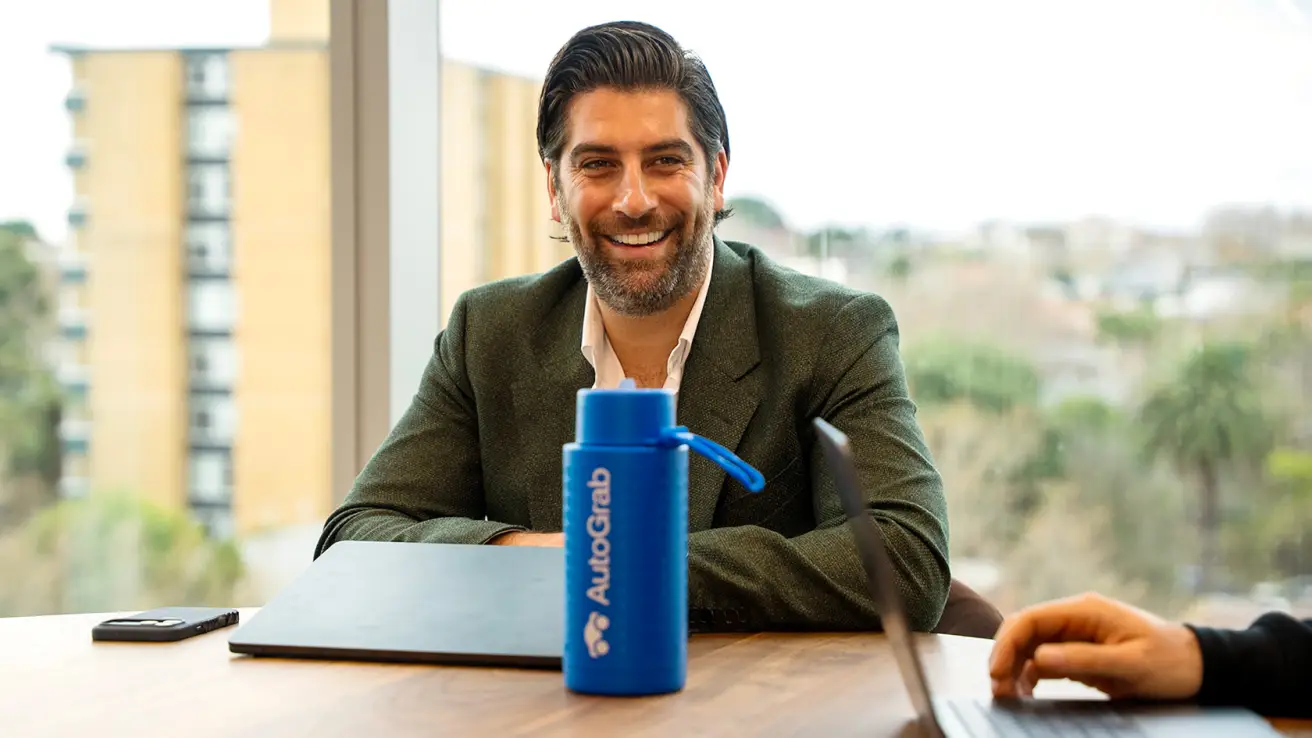
AutoGrab founder Daniel Werzberger saw a different kind of inefficiency. Car dealers were making major decisions about what to buy and how to price it while the vehicle data they needed was scattered across thousands of listings. AutoGrab brings that information into one place, with AI now helping dealers value vehicles, predict demand and make pricing decisions.
Care Essentials director Ishan Sinha saw another practical gap in how patients are warmed during surgeries involving general anaesthesia to prevent hypothermia.
“Traditional warming methods such as blood or fluid warming carry risk of infusion-related complications, whereas other modalities risk cross-infection or slower heat transfer. Convective warming technology, such as ours, minimises these risks and is far more efficient,” he explains.
Australia previously relied heavily on American patient-warming technology, while overseas suppliers could be slower to respond to feedback from Australian nurses and doctors.
“Being an Australian manufacturer enabled us to meet these needs and today we are market leaders in Australia with a strong global presence, distributing to more than 70 countries,” says Sinha.
For Werzberger, one of the biggest shifts coming is what he calls “applied AI at the point of decision”. Instead of being added as another feature, AI is increasingly sitting inside decisions about what to buy, what to pay and how to price.
Energy Spurt director Gavin Li is seeing that happen in energy. Batteries, EVs, solar, weather forecasts and electricity pricing are increasingly becoming one connected system, with AI making decisions that were once made manually.
“The biggest shift isn’t the technology itself,” solar wholesaler Li says. “It’s the change in how we think about energy.”
But moving fastest isn’t necessarily the goal. Centorrino Technologies founder Adam Centorrino works with organisations across government, defence, healthcare and critical infrastructure, where questions about security, data and trust carry real consequences.
Centorrino, whose company provides managed IT, cloud and digital transformation services, believes the organisations that benefit most from AI over the next five years won’t necessarily be those that adopt it fastest, but those that do it most responsibly with strong governance.
“The challenge, and the opportunity, is doing this in a sovereign and trustworthy way. Where does the data go? Who can see it? Can it be assured to the standards our sectors demand?” he says.
Australia’s size can look like a disadvantage, but several of the finalists see it differently.
Li points to South Australia’s energy market, where high electricity prices, rapid solar uptake and battery integration have forced businesses to tackle challenges other countries are only beginning to face.
Chester sees a similar advantage in mining, where harsh conditions and demanding customers make Australia a proving ground for ideas that can travel.
“Australian businesses compete by being smarter, not bigger,” Sinha says.
Without cheap labour or the scale of research and technology investment available in the US, he argues businesses here have learned to compete through better decisions, small efficiencies and becoming very good at a defined niche.
“Often the Australian businesses that lead on the global scale also demonstrate a strong position within Australia,” he adds. “This is because the Australian market demands quality and good value for money. If you can dominate the Australian market, it may be a good proving ground for global success. ‘Australian-made’ branding also helps.”
A relatively small home market can also encourage founders to look overseas earlier. Werzberger believes the mindset needs to shift from building an Australian company that eventually exports to building “a global business that happens to be headquartered here”.
The 2027 EY Entrepreneur Of The Year winners will be announced at the national awards ceremony on October 22.
Learn more about the 2027 EY Entrepreneur Of The Year™ national finalists and the program
Related Stories
 Technology
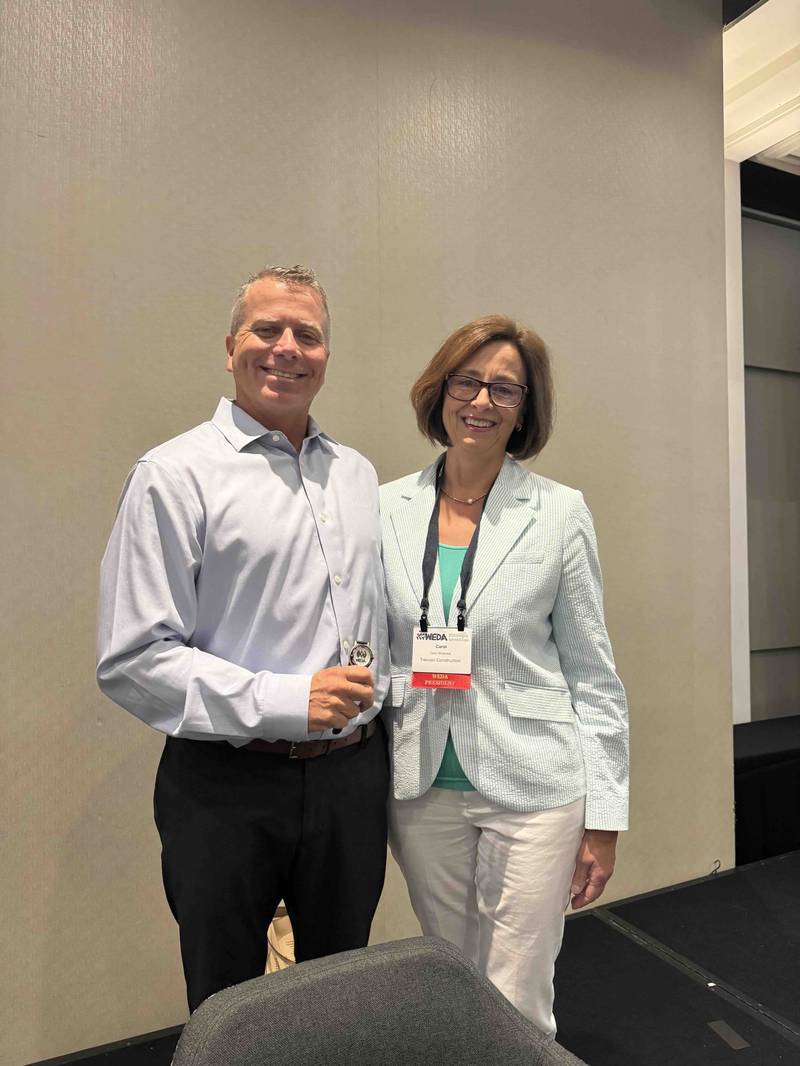
Walter Dinicola Named WEDA President
54 minutes ago
 Technology
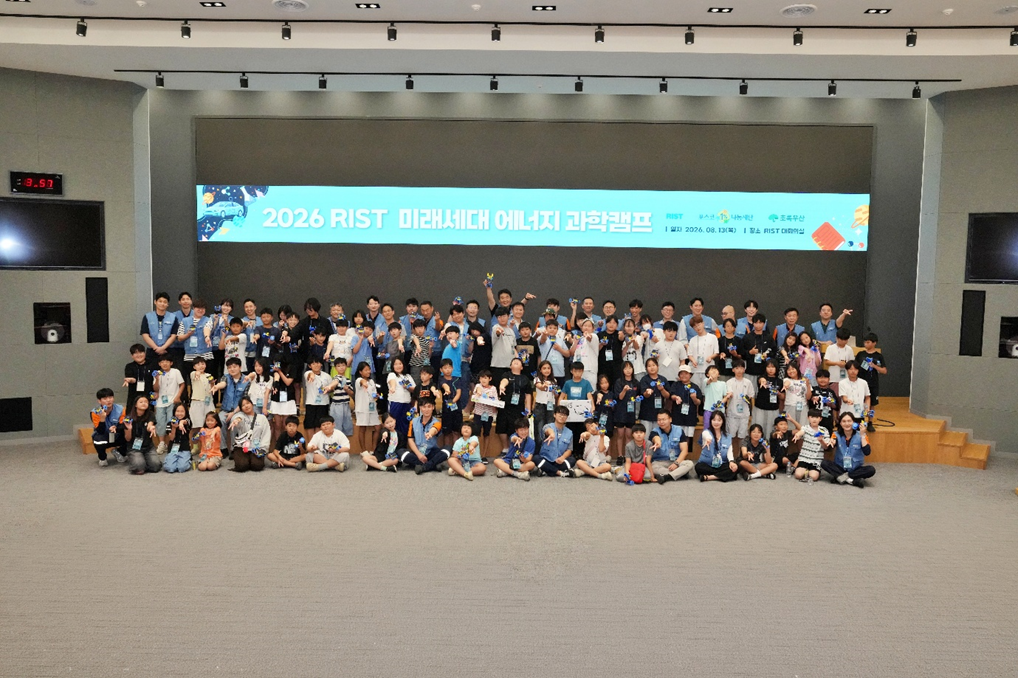
RIST Extends R&D Support to Local Firms, Startups and Students
1 hour ago
 Technology
DGIST Partners With France's ENPC to Train Deep Tech Founders
1 hour ago
 Technology
Busan Center Seeks Six Startups for Tokyo Expo Push
1 hour ago
 Technology
Four Caribbean social startups win opportunity to pitch at CIF 2026
1 hour ago
 Technology
Meta CEO Mark Zuckerberg to join tech leaders at Trump
2 hours ago
 Technology
Georgia Tech Ranked No. 6 Public University in U.S. News & World Report
2 hours ago
 Technology
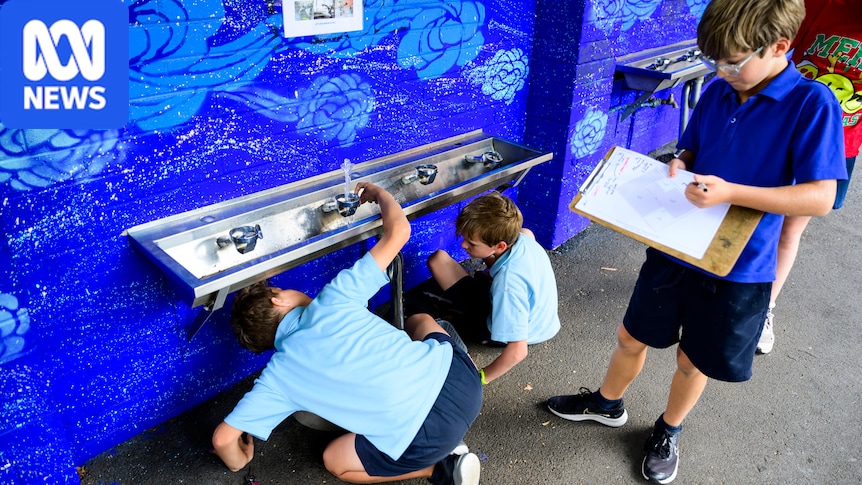
Schools trial AI leak detection technology to save water
2 hours ago