
FIFA refereeing chief rejects claims of bias in Argentina’s win over Egypt
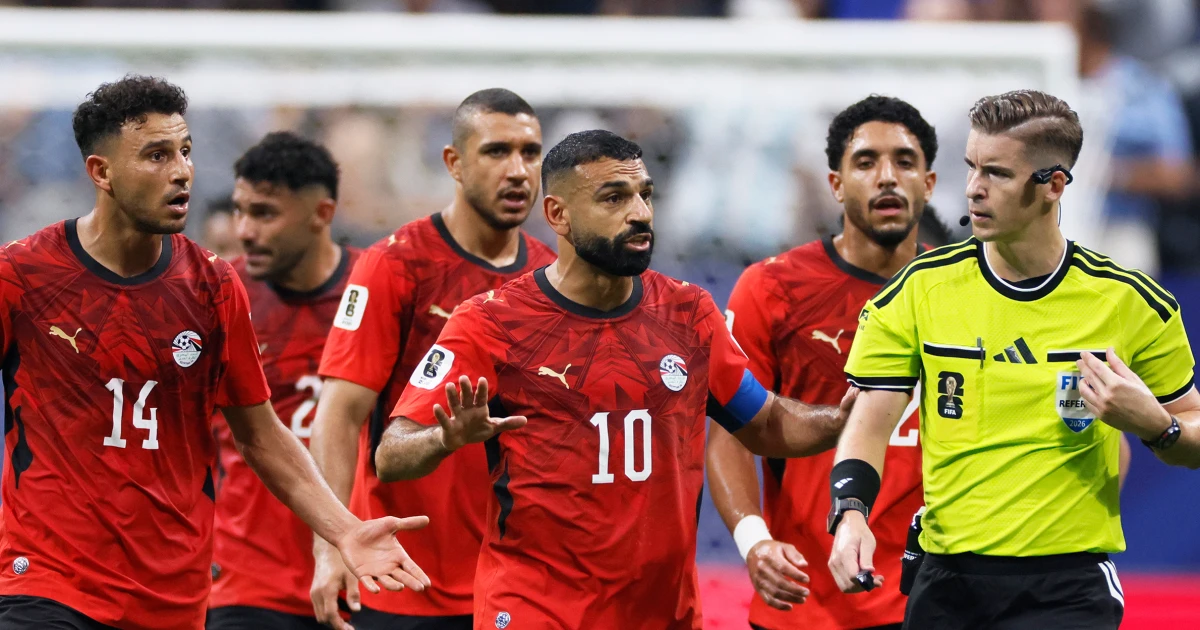
FIFA refereeing chief Pierluigi Collina defended the officiating in Argentina’s 3-2 victory over Egypt in the World Cup round of 16, dismissing allegations of bias and saying match officials operated with complete independence.
Subscribe to read this story ad-free
Get unlimited access to ad-free articles and exclusive content.
In an interview published on inside.fifa.com on Thursday, Collina said criticism of referees was part of football but he condemned the questioning of the officials’ integrity after Egypt complained about the officiating following the defeat.
“Constructive discussion about decisions will always be part of football, but unfounded allegations have no place in our sport,” Collina said.
“Nobody can question the integrity of the FIFA World Cup match officials ... Nobody can claim that FIFA refereeing can be influenced by anyone, not even by the FIFA president (Gianni Infantino).”
Collina said that such allegations could provoke threats against referees and their families.
Egypt exited the tournament but claimed they had been treated unfairly after Argentina overturned a 2-0 deficit to snatch victory with a stoppage-time winner from Enzo Fernandez.
Coach Hossam Hassan alleged after the match there may have been pressure on the referee to keep Argentina in the tournament. And the Egyptian Football Association said “several key incidents raised serious concerns and left profound questions about the consistency and fairness of decisions that directly influenced the course of the game.”
Egypt argued that Mostafa Zico’s second-half strike was incorrectly ruled out for what it described as a non-existent foul in the build-up. Egypt were also incensed that a challenge on Mohamed Salah was not penalized moments before Argentina launched the move that produced the winning goal.
FIFA’s Collina said VAR had correctly recommended overturning Zico’s goal after identifying a foul by Marwan Attia on Argentina defender Lisandro Martinez during the attacking possession phase.
“We believe that a foul is a foul,” Collina said. “Regardless of whether the foul appears ‘obvious,’ if the referee did not see it on the field of play, the VAR can intervene.”
Collina also defended the decision not to award Egypt a penalty before Argentina’s winner, saying both the referee and VAR judged the contact between Salah and Julian Alvarez to be “normal football contact.”
“Stepping on an opponent’s foot is a foul, whereas a defender who touches the ball first and then makes normal football contact has not committed a foul,” he said.
While acknowledging that some decisions would always involve an element of subjectivity, Collina said FIFA was satisfied with how VAR principles had been applied throughout the tournament.
Related Stories
 World
World
Oil prices rise in global markets
23 minutes ago
 World
World
Ultimate preview: mixed 4x100m
23 minutes ago
 World
World
Reporting on 9/11: The day the world changed
1 hour ago
 World
World
FIM Trial World Championship>Toni Bou Wins 20th Consecutive Trial World Championship Title
1 hour ago
 World
World
Weidel celebrates ‘a dream result’ for far-right AfD in key German state
1 hour ago
 World
World
Gold Market Primer: Market size and structure
2 hours ago
 World
World
FIBA Women's World Cup news: Italy 'mucked up' USA, says Breanna Stewart
3 hours ago
 World
World
Africa’s mother tongues are finding new life
3 hours ago