
Fake Mark Carney video cost elderly Ontario woman nearly $1 million
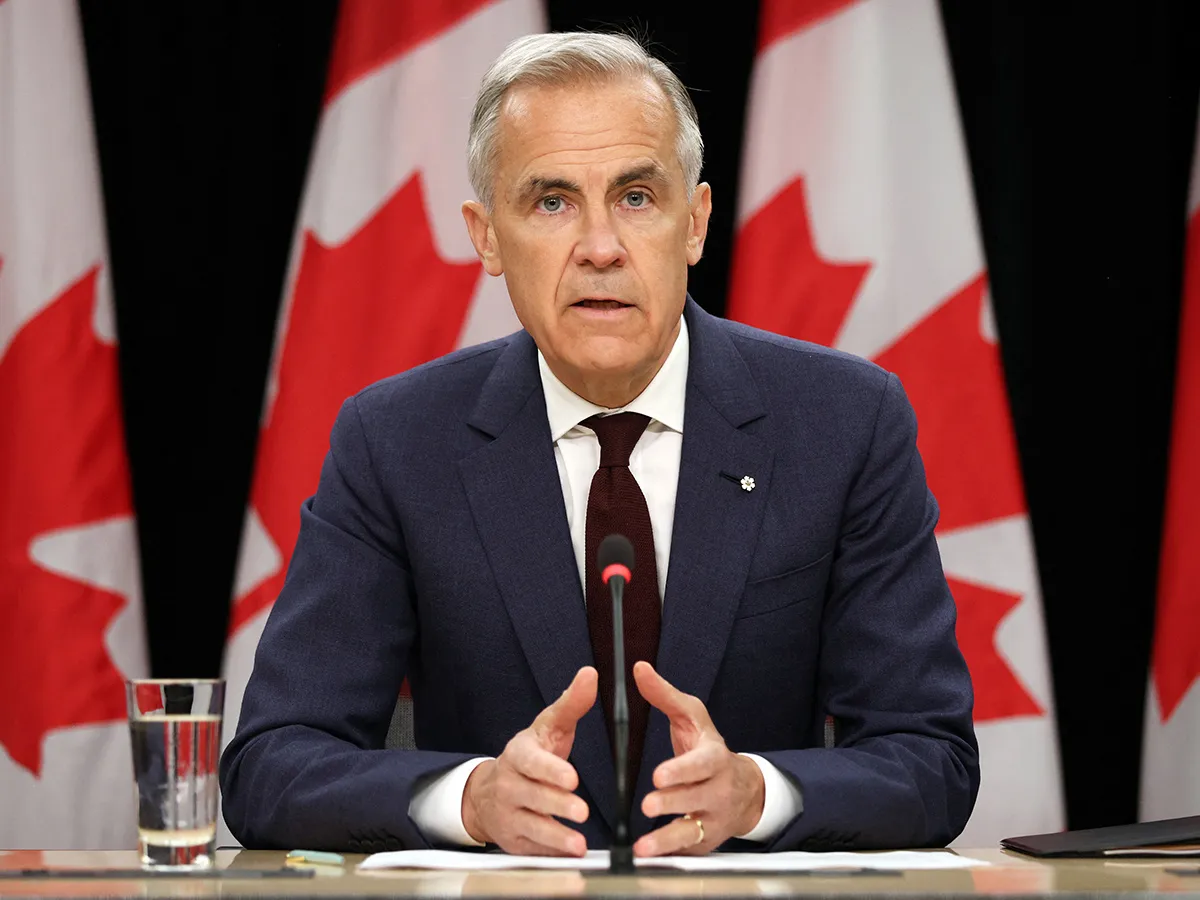
An 86-year-old Sault Ste. Marie woman lost close to a million dollars to a deepfake of Prime Minister Mark Carney she saw on Facebook.
She is one of a growing number of Canadians being defrauded by artificial intelligence. Scammers are using AI to fake the faces of people the public trusts, and selling investments that do not exist.
Judy Skene, a retired pharmacist, saw a Facebook ad in July 2025 in which a deepfake of Carney told viewers to put $350 into a cryptocurrency platform, SooToday reported. The video claimed the money would be backed by the Bank of Canada, Skene told CTV News. Carney never made it.
A deepfake is video or audio generated by AI to make a real person appear to say or do something they never did. They are being used to impersonate politicians, celebrities, financial experts and government officials, said Jeff Horncastle, client and communications outreach officer at the Canadian Anti-Fraud Centre.
“The advertisement is usually only the first step,” Horncastle said.
Once someone clicks or hands over their contact information, a fraudster may call posing as an investment advisor, Horncastle said. The victim may then be directed to a professional-looking trading platform, encouraged to buy cryptocurrency or asked to hand over remote access to their computer. The platform may display fabricated profits, he said.
Skene’s case followed that pattern. She signed up and paid, and a caller told her the money had already tripled, CTV News reported. The scammers sent her a link that gave them access to her computer, where they found her investments, her longtime friend Pat Probert told SooToday.
Over several months she cashed in a $650,000 registered retirement income fund, mortgaged her Bay Street condo for $300,000 and took a $35,000 cash advance on her credit card, according to SooToday. The scammers promised her $40,000 a month in dividends if she kept investing, SooToday reported.
The deepfake supplies the credibility, but the fraud itself still runs on social engineering, Horncastle said. Fraudsters use the image and voice of someone Canadians recognize to lower their guard.
A local CIBC branch told Skene she was being scammed, Probert told SooToday, and she stayed convinced. The scammers had told her not to tell anyone, because her friends would be angry that she was making so much money.
“It’s not necessarily a new fraud that we’re seeing, it’s the existing types of fraud, but the tactics tend to change,” Horncastle said. The technology, he said, is easily available to almost anyone.
Skene’s case is not unusual. A Toronto man lost $12,000 to a deepfake of former prime minister Justin Trudeau pushing a cryptocurrency platform. He started with $250, kept investing and believed it had grown past $40,000 before he tried to withdraw.
Scams like Skene’s are classified as cryptocurrency investment fraud, part of a broader category that has cost Canadians more than $1.2 billion since 2022, SooToday reported. Most of those losses involve cryptocurrency, digital money that moves online without a bank.
Related Stories
 AI News
‘A toxic cloud of pollutants’: Torontonians urged to stay inside as smoky conditions persist. Live updates here.
20 minutes ago
 AI News
International Intel: A Glance at the Top Global Breast Cancer News From April
21 minutes ago
 AI News
Syrian authorities seize truck of rockets allegedly bound for Hezbollah in Lebanon
21 minutes ago
 AI News
Queen Camilla hears Catholic Sisters' witness from the world's frontlines
21 minutes ago
 AI News
Lionel Messi will play Lamine Yamal in World Cup final 19 years after viral baby photo
22 minutes ago
 AI News
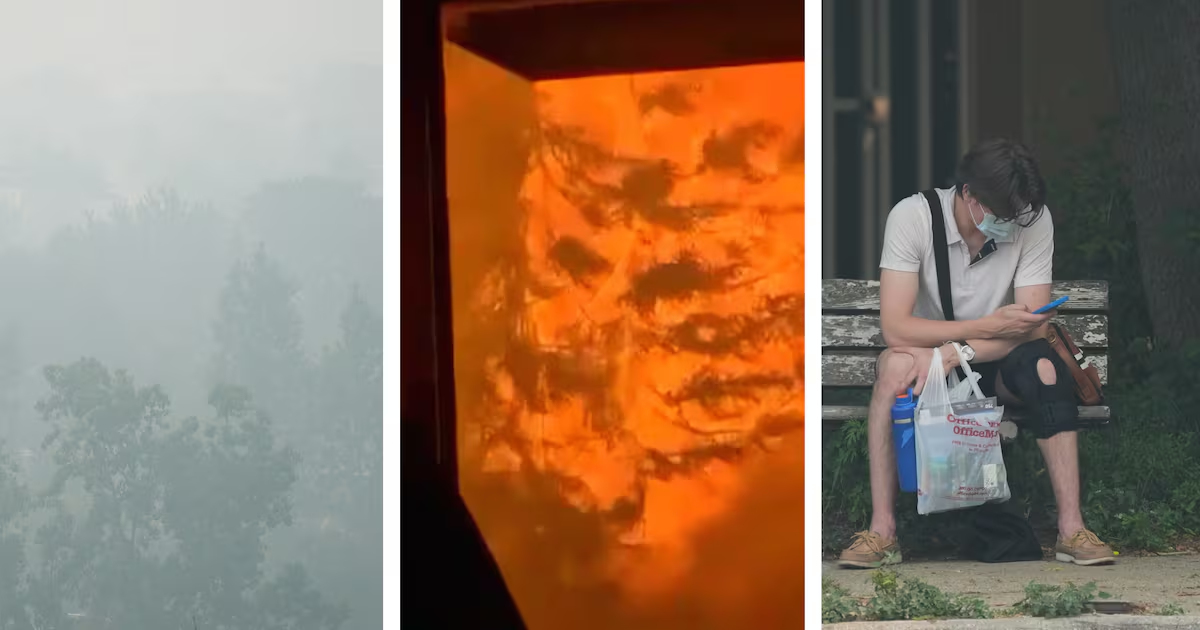
More than 850 wildfires across Canada as flames tear through parts of Northern Ontario, destroying buildings
23 minutes ago
 AI News
Evacuees' photos show raging wildfire that forced evacuation in northwestern Ontario
23 minutes ago
 AI News
Lessons learned from Canada's recent big wildfires
23 minutes ago