
Energy Secretary Chris Wright says the US must win the AI race with China
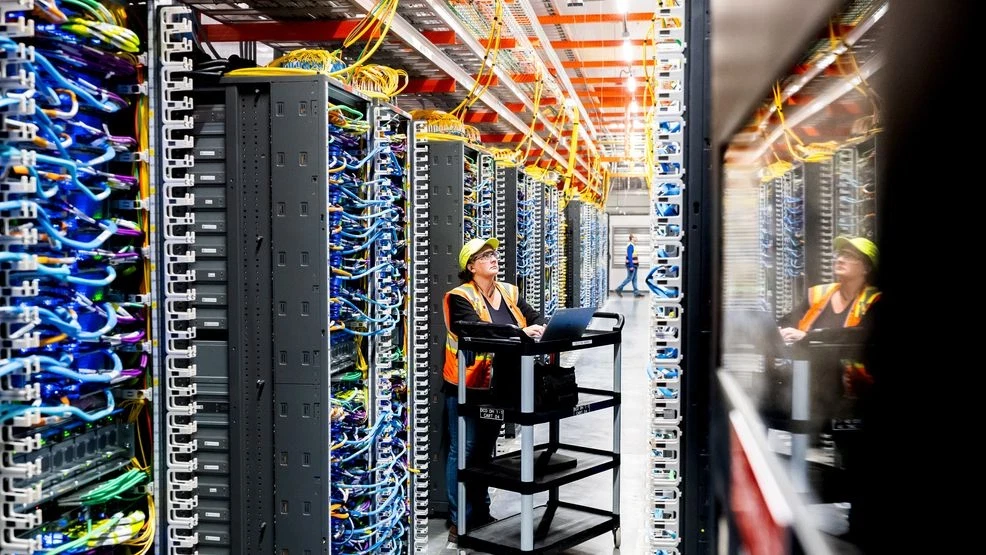
As tensions rise in the Middle East and demand for electricity continues to grow with the expansion of artificial intelligence, Energy Secretary Chris Wright says the Trump administration is focused on strengthening U.S. energy production while keeping consumer electricity costs under control.
Speaking with The National News Desk, Wright discussed the administration's strategy for protecting energy supplies in the Strait of Hormuz, expanding data center infrastructure, and competing with China in the global race for artificial intelligence.
The interview comes as President Donald Trump announced the United States would oversee shipping through the Strait of Hormuz following recent attacks on commercial vessels that the administration attributes to Iran.
Asked about the administration's proposal to impose a fee on cargo moving through the strategic waterway, Wright said the broader objective is ensuring global energy supplies continue to flow.
Wright said discussions are ongoing regarding how the United States could be compensated for securing maritime traffic.
"I think you'll see more news breaking later today on how the United States is going to be compensated or rewarded from this," he said. "President Trump is a businessman. He likes deals. He likes investments in the United States of America, and he likes to create American jobs."
The conversation then shifted to artificial intelligence after reports that New York Gov. Kathy Hochul plans to sign an executive order placing a temporary moratorium on new hyperscale data centers while the state studies their impact on electricity demand and the power grid.
The proposal has generated criticism from some lawmakers, including Sen. John Fetterman, who argued the move could weaken America's position in the global AI race.
According to Wright, the administration views AI infrastructure as essential to maintaining America's technological leadership.
"The country that leads in artificial intelligence in the coming years and decades ahead will be the global superpower," he said. "We don't want China to be the global leader."
One concern frequently raised by local communities is whether large data centers will drive up electricity bills.
Wright argued the administration's voluntary "Ratepayer Protection Pledge" is designed to prevent that outcome.
Under the initiative, data center developers commit to investing in local electric infrastructure before connecting new facilities to the grid.
He said participating projects also include multi-year commitments designed to stabilize electricity prices.
"They've all come with multi-year freezes on electricity prices," Wright said. "They're actually being used as a mechanism to stop the rise in electricity, create enormous local tax revenues, job opportunities, and higher wages."
Wright maintained that rapidly growing data centers are not the primary cause of rising electricity costs.
He argued states that have restricted traditional energy production over the past two decades have experienced higher electricity prices because supply has failed to keep pace with demand.
The administration also faces growing opposition from activist groups planning demonstrations against new AI data centers over concerns involving electricity consumption, water usage, and environmental impacts.
Wright said many of those concerns are based on outdated information.
"These groups are very effective at scaring people," he said.
Addressing water usage specifically, Wright said newer facilities consume far less water than many people realize.
He encouraged communities to negotiate agreements that allow residents to benefit economically from data center development rather than reject projects outright.
"If you push them out of your community and into someone else's community, all the benefits of reduced prices, increased wages, and more jobs are going to go with that," Wright said. "Don't push data centers away and let others win by it."
As AI development accelerates worldwide and geopolitical tensions continue affecting global energy markets, Wright said he believes America's ability to expand reliable energy production while attracting technology investment will remain central to the country's long-term economic and national security strategy.
Related Stories
 AI News
Bill Gates says AI companies self
40 minutes ago
 AI News
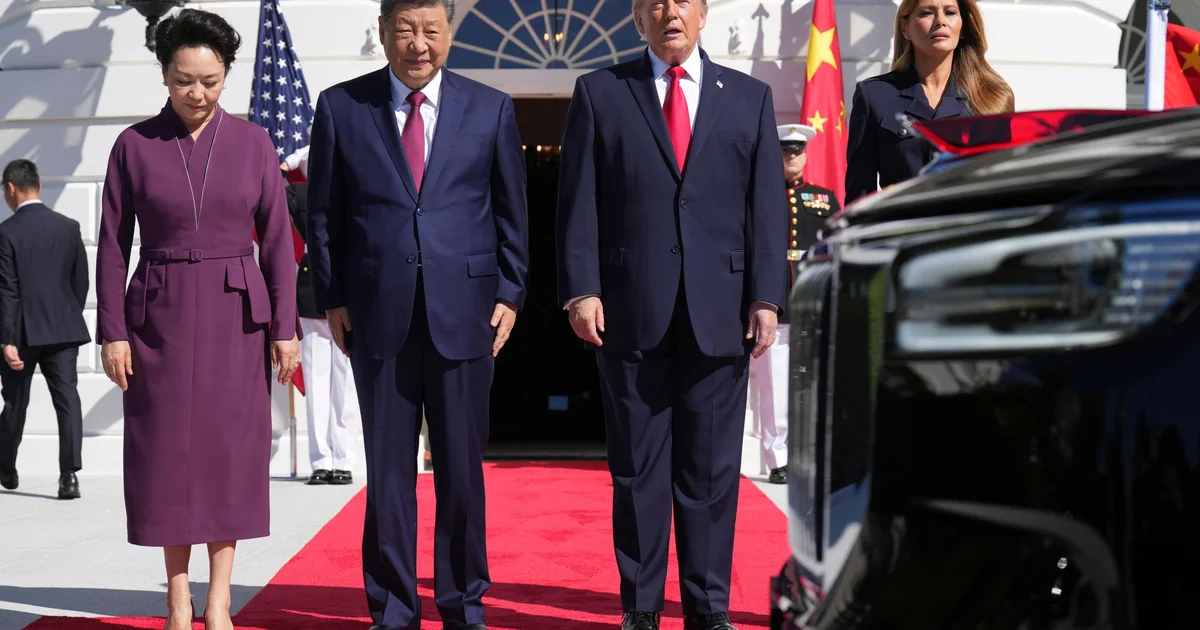
Trump and Xi agree to set up AI safety channel as military and trade talks continue
40 minutes ago
 AI News
OpenAI Tried to Hide ChatGPT Giving Extremely Specific Advice to a School Shooter on How to Maximize Casualties. The Logs Are Horrific.
40 minutes ago
 AI News
Adtech vet Brian O'Kelley's startup is pivoting to AI agents and rebranding with a new name
1 hour ago
 AI News
China and the US agree to set up a new AI safety channel, and to keep talking on trade, military
1 hour ago
 AI News
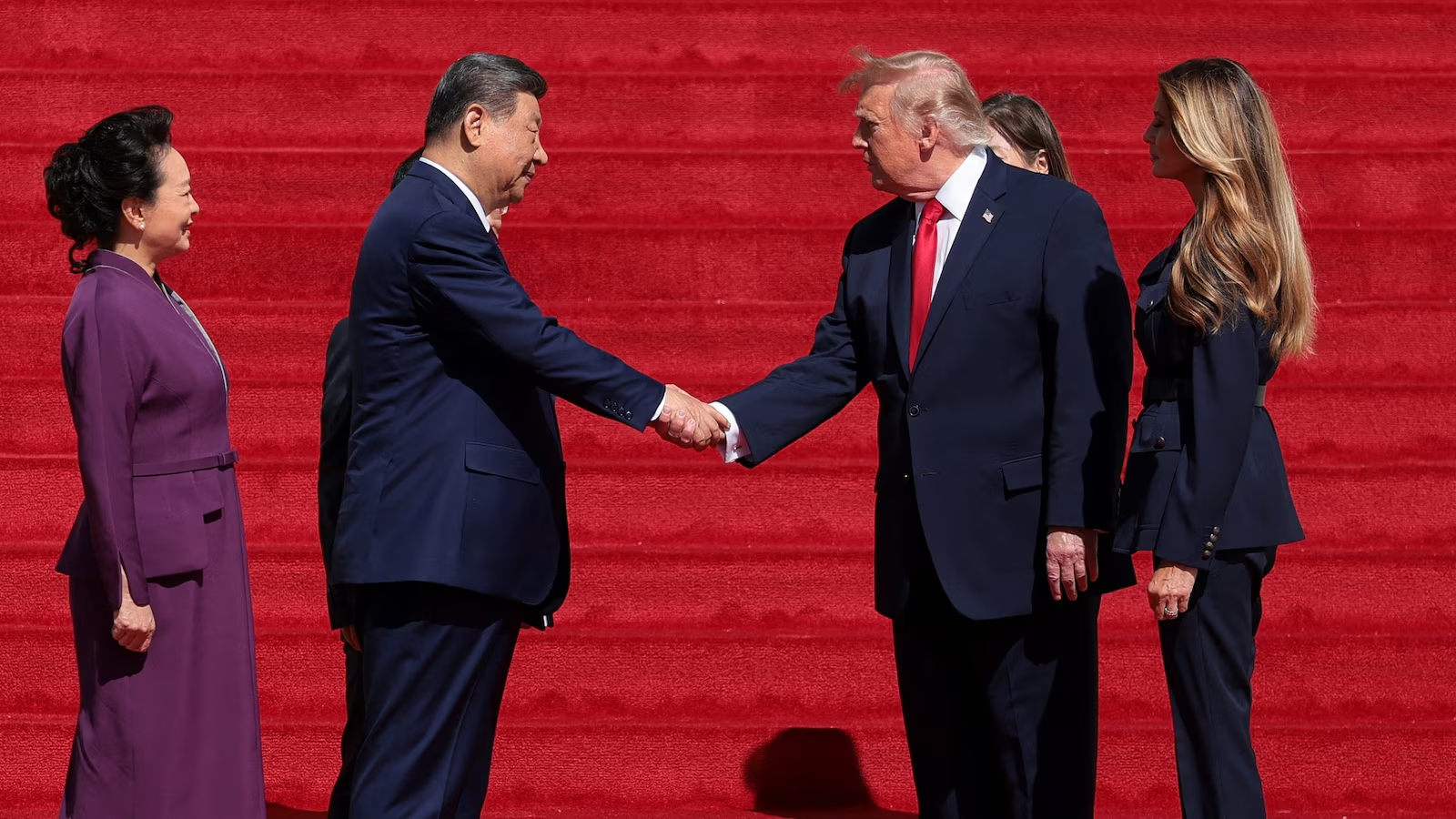
Trump-Xi takeaways: White House touts progress on artificial intelligence, Iran and exports
1 hour ago
 AI News
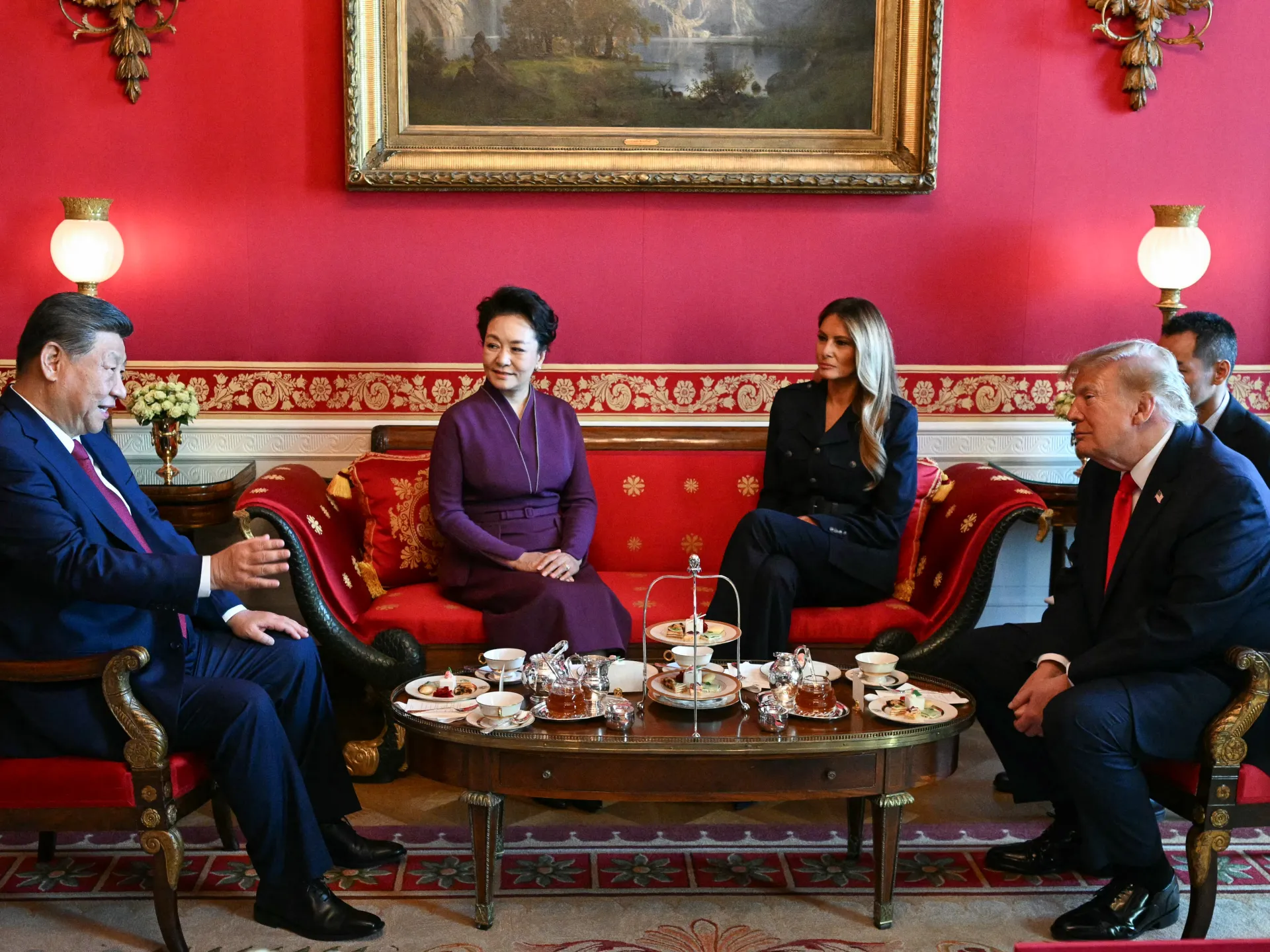
China, US to open AI ‘communication channel’ after summit, White House says
1 hour ago
 AI News
U.S. should err on the side of innovation in AI regulation, U.S. Rep. Arrington says
2 hours ago