
EDITORIAL: Tariffs and taxes don’t stop wildfires
See more Toronto Sun on Google — save as a Preferred Source
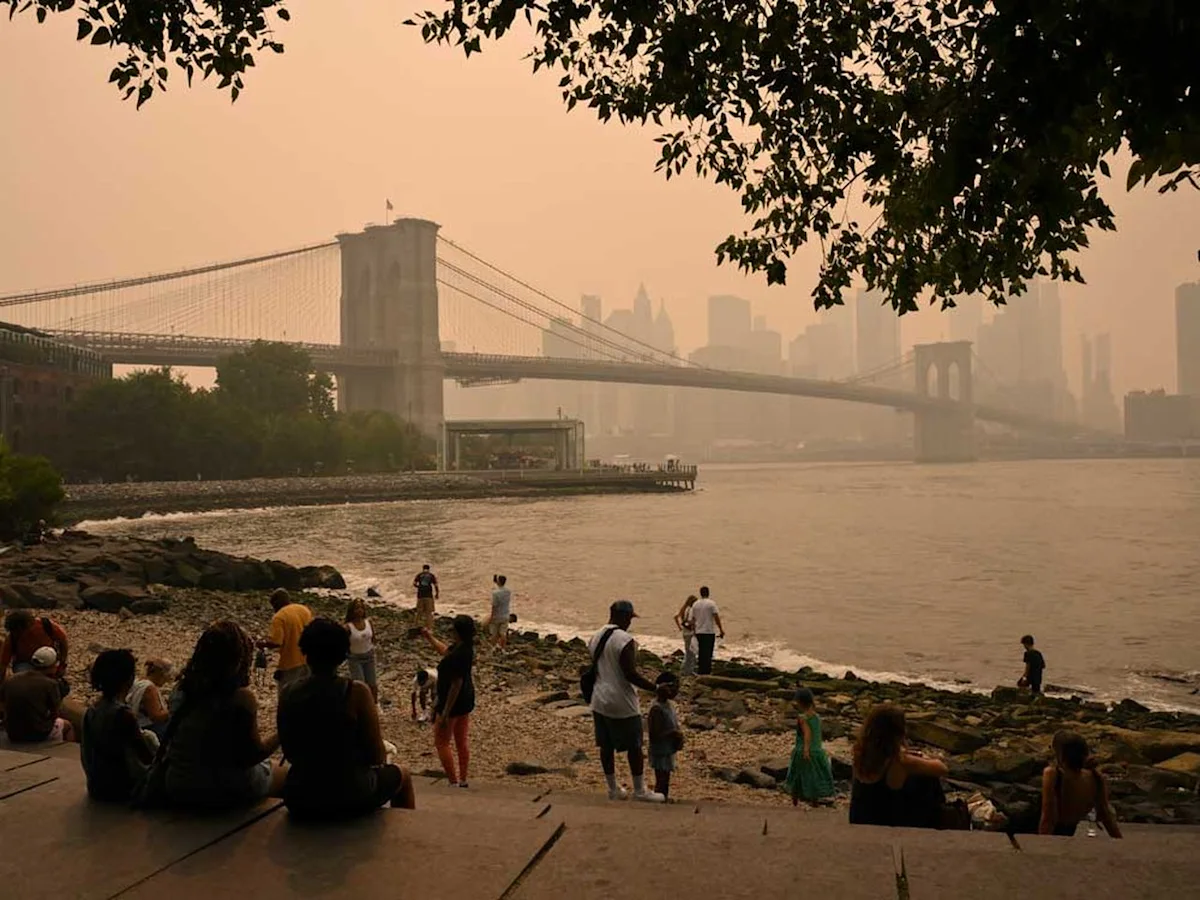
How U.S. President Donald Trump would help Americans breathe easier by making them pay more for Canadian products — the practical impact of his threat to impose tariffs on Canada for smoke in the U.S. coming from Canadian wildfires — escapes us.
Smoke and pollutants from wildfires do not respect man-made borders — they go where the wind blows — and smoke from American wildfires adversely affects Canadians just as the reverse is true.
Ontario Premier Doug Ford is correct in responding to sabre-rattling by Trump and some U.S. politicians accusing Canada of poisoning Americans that Canada often sends help to the U.S. in combatting its wildfires — including the inferno in southern California last year.
That said, the reverse is also true.
Canada and the U.S. have shared firefighting resources through the Canada/United States Reciprocal Forest Fire Fighting Arrangement since 1982 and not simply based on goodwill.
The agreement mandates the country requesting and receiving help from the other partner is responsible for reimbursing its costs.
Prime Minister Mark Carney criticized Trump for his lack of action on climate change, saying while Canada is expanding its clean energy production, the Trump administration is working against it.
Actually, the U.S. has been more successful at lowering industrial greenhouse gas emissions than Canada without a national carbon tax — primarily because of the different energy mixes in our two countries.
In any event, reducing emissions through so-called mitigation measures is a long-term policy, at best, without immediate results.
What our government can do now to better protect the public from wildfires — while being aware there is no such thing as 100% protection given the enormity of Canada's boreal forests — is to adopt what are known as adaptation measures.
That includes such things as improved forest management where possible; increased wildfire surveillance using modern technology; adopting enhanced fire suppression measures; ensuring we have sufficient and properly equipped emergency responders and prohibiting residential development in heavily-forested areas.
The federal government since 2015 has earmarked over $200-billion to address climate change through mitigation measures but only $6.5 billion to adapt to climate change, such as those measures listed above.
The government should divert some of its massive funding on mitigation measures, many of which have failed, to adaptation.
Ford fires back at Trump over tariff threat during wildfires crisis
AGAR: Politicians blowing smoke over Ontario wildfires
LILLEY: When wildfires strike, facts matter more than politics
GOLDSTEIN: Wildfires show need to adapt to severe weather, not control climate
Related Stories
 Canada
Albertans head to polls in historic referendum on whether they want to stay in Canada
4 days ago
 Canada
In the news today: four soldiers killed, Alberta referendum, AI privacy fears
4 days ago
 Canada
How a grass fire at a Canadian military base killed four soldiers
4 days ago
 Canada
How will household electricity rebate reduction, temporary winter pricing change impact Ontarians?
4 days ago
 Canada
Residents told to boil tap water due to bacteria
4 days ago
 Canada
Oil
4 days ago
 Canada
Albertans vote on path to independence as Carney fights to keep Canada united
4 days ago
 Canada
Two of 4 soldiers killed in fast
5 days ago