
DR Congo Keeps New Digital Taxes but Exempts Startups

DR Congo will keep its new tax framework for the digital sector but exempt startups, addressing one of the main concerns raised by industry players since the measures were introduced in July.
Digital Economy Minister Augustin Kibassa Maliba clarified the scope of the rules on August 6 in Kinshasa after meeting with representatives of the country’s digital ecosystem. The interministerial order, adopted on July 20, had raised concerns among industry professionals.
The measure sets fees, taxes and charges for various digital activities and will remain in effect. The main clarification concerns which businesses are subject to the new rules. According to industry representatives, the minister confirmed that startups will not have to pay the charges established under the order.
The exemption is based on the special regime granted to young technology companies under DR Congo’s Digital Code. Article 384 states that digital startups registered under the country’s entreprenant status are eligible for tax, parafiscal, customs and foreign exchange benefits provided under legislation governing entrepreneurship and startups.
The clarification follows the temporary suspension of the order on August 1 after several days of opposition. Jointly signed by the digital economy and finance ministers, the measure had drawn concerns from entrepreneurs, online media companies and other digital businesses that the new requirements could weaken an ecosystem still in development.
The government said at the time that it wanted to prevent confusion or misinterpretation. On August 6, it confirmed that the order remains applicable, with startups excluded from the new charges.
The controversy comes as DR Congo’s digital sector already faces a significant tax burden. In a 2025 report, the GSMA cited a 16% value-added tax, a 10% excise tax on mobile services, a 2% contribution to the universal service fund and a 3.6% RAM fee.
The GSMA said the accumulation of these charges could affect the affordability of digital services and hinder digital inclusion in the country.
Related Stories
 Technology
Chandigarh University Hosts National Incubator & Capital Summit and ISBACON 2026, Bringing 400 Incubators, 80 Investors & 100 Startups Together to Strengthen Indias Startup Ecosystem
26 minutes ago
 Technology
A 20
26 minutes ago
 Technology
Why American investors love European defense startups
1 hour ago
 Technology
News Content Hub
1 hour ago
 Technology
Digital Digest: The Latest Tech News
1 hour ago
 Technology
Russian strikes kill 2 in Ukraine as Kyiv struggles to counter escalating Russian attacks
3 hours ago
 Technology
STFC backs health start
4 hours ago
 Technology
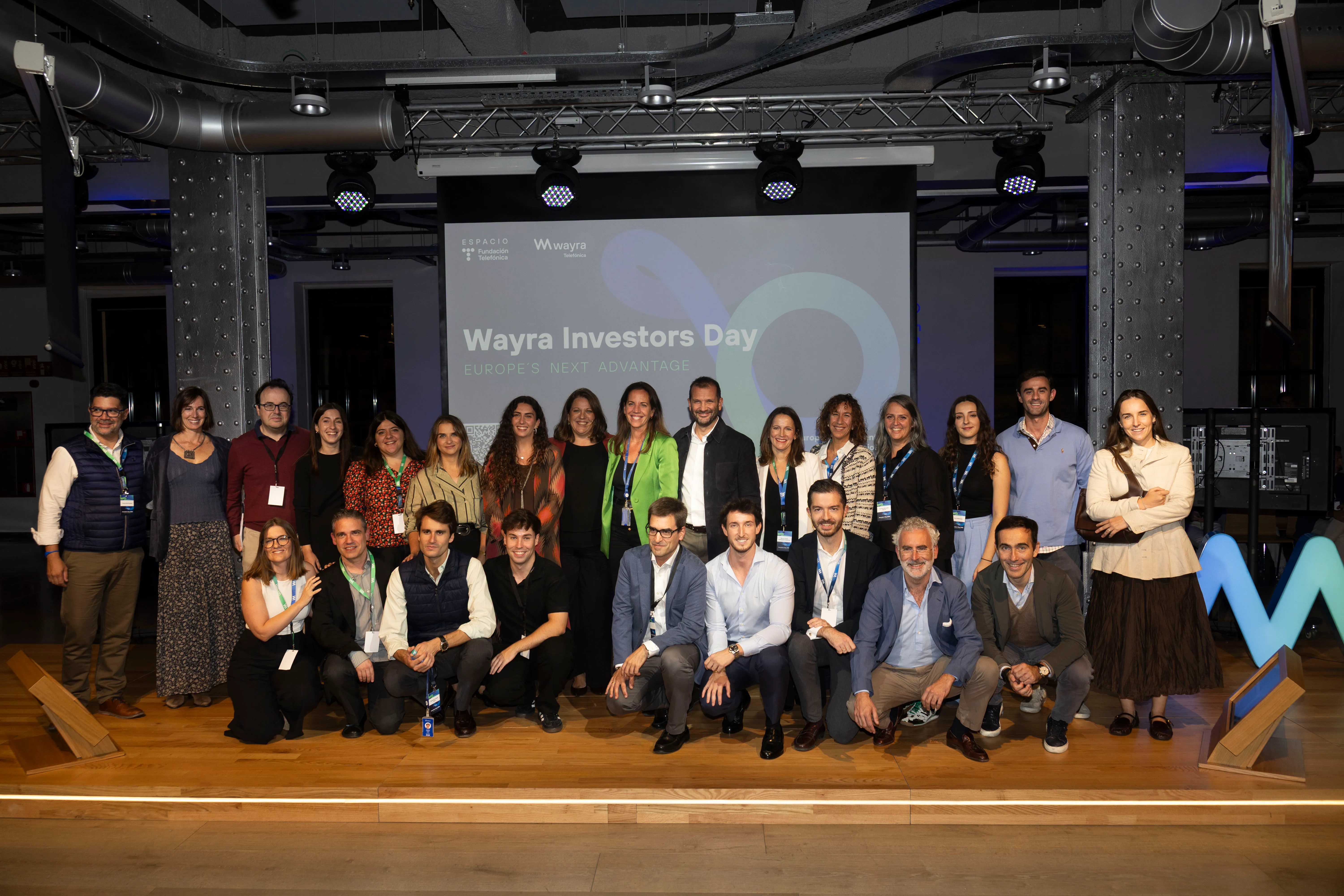
Wayra brings together 250 investors, start
4 hours ago