
Could compounding pharmacies solve Ontario's drug shortage?
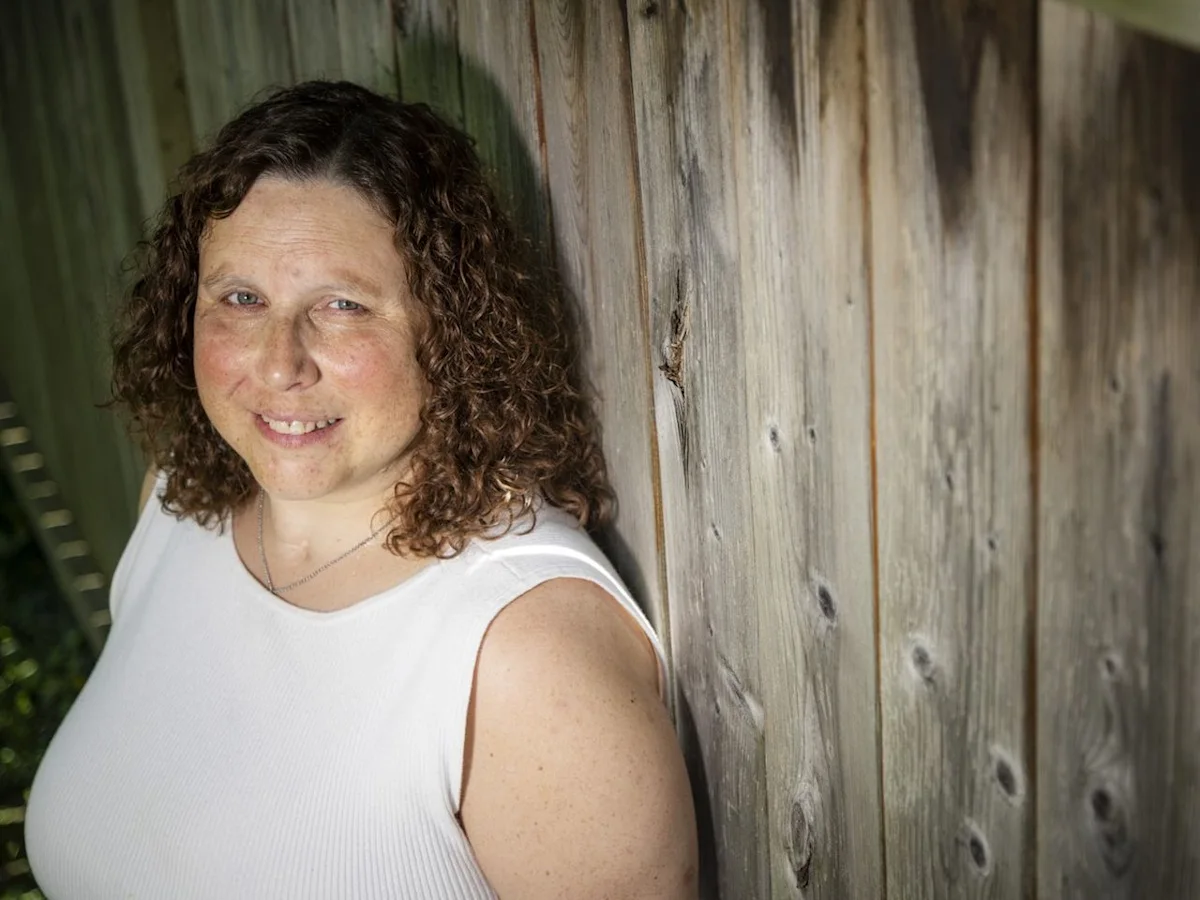
Laurie Proulx has relied on medication to manage the pain of a chronic illness she's been living with for decades.
For 25 years, Proulx has lived with juvenile rheumatoid arthritis. Some symptoms of the chronic condition include severe pain in the joints and extreme fatigue. The chronic inflammation of these connective tissues causes irreversible joint damage, making arthritis a condition with no cure.
Proulx has an additional complication where inflammation can block her vocal cord joints. To treat it, she uses a medication called Orencia. Without the medication, Proulx says her vocal cords will be inflamed, making it harder for her to breathe.
So, the call from her specialty pharmacy informing her that one of the pills she relied on was out of stock came as a surprise.
"I'd never thought this would happen," Proulx told the Ottawa Citizen when she experienced Ontario's drug shortage first-hand just over a year ago. Proulx said she kept a small stash of the medication at home for emergencies. But at the time of the shortage, she started taking the injections every week instead of the recommended five-day frequency in hopes that it would sustain her longer.
The shortage was eventually resolved when Canada decided to import the medication from overseas. Arabic letters were printed on Proulx's medication, but her pharmacists had assured her beforehand that the medication was essentially the same one she was used to taking.
"What happens if they can't get it under control (next time)?" Proulx said, who now works as the managing director of the Canadian Arthritis Patient Alliance.
As Ontario continues to face drug shortages, advocates like Proulx, who believe the shortage won't subside anytime soon, say compounding pharmacies could be part of the solution to address this gap.
Compounding pharmacies, unlike regular ones, have the expertise to prepare patient-specific medications based on a doctor's prescription.
The pharmacists typically mix raw ingredients to create medication for patients who, for instance, require specific dosages prescribed by their healthcare providers.
But when pre-manufactured commercial drugs are out of stock, compounding pharmacies work harder to fill a healthcare gap many say is here to stay.
Whole Health Compounding Pharmacy owner Renu Pillay says his pharmacy has been busy mixing and creating medications for patients for about a decade.
After about a year in operation, he noticed Ontario's drug shortage was here to stay. That year, Pillay says he saw the lack of compounding pharmacies in Ottawa.
Now, the sub-industry has picked up in popularity in Ottawa, and Pillay estimates that approximately five to 10 per cent of pharmacies in the nation's capital are compounding.
"We play a role in filling those gaps, which, if we weren't here, patients would have nowhere else to go," Pillay said.
The ideal situation would be that there aren't as many shortages, Pillay explained.
But in the meantime, he says Ottawa's growing compounding pharmacy practices are stepping in where needed.
Pillay says he has three dedicated employees who only do compounding work full-time at his pharmacy in the Glebe.
"They spend all day just making (medications) because we supply not only to our own patients, but patients from other pharmacies that refer people to us for those compounds because they aren't able to do it."
It's a testament to the pressures compounding pharmacies are witnessing as drug shortages continue to persist province-wide, Pillay says.
"It adds to our workload and pressure (because) sometimes patients need (medications) very urgently because they're not available (commercially)," he said. "We kind of have to juggle our schedule around to try and accommodate."
Despite the added pressure, Pillay says compounding pharmacies are in a "unique position" to provide more alternatives than a pharmacy that doesn't compound.
Pharmacists spend up to 20 per cent of their time managing drug shortages, according to Canadian Pharmacist Association chief pharmacist officer Sadaf Faisal.
"If you look at Health Canada's drug shortage website, at any given time, you can see that there could be up to 2,000 active drug shortages," Faisal said in an interview.
But not all of them actually reach the public consciousness.
"(This is) because pharmacists are working in the background trying to find out alternative solutions," Faisal added.
"This means pharmacists will contact the prescribing doctor to get the medication covered."
Faisal explained that in some jurisdictions across Canada, pharmacists are able to suggest an alternative drug if the prescribed medication is commercially unavailable.
This expanded scope of practice is another viable solution to ease and better manage drug shortages in the province, she said.
"If one medication goes on shortage, your pharmacist … will be able to work with your provider so your prescription can get switched," Faisal said.
Ontario and Manitoba are the only provinces in Canada where pharmacists aren't able to make this suggestion.
While earlier this year, Ontario announced it would allow pharmacists to administer vaccines for six different diseases and prescribe for nine "common ailments," Faisal says one of the national association's advocacy goals is to get Ontario pharmacists the ability to suggest alternative drugs for products experiencing a shortage.
For those like Proulx, the anxiety coupled with drug shortages is only the tip of the iceberg of the pre-existing pain and fatigue from living with a long-term illness.
Proulx says she witnesses dozens of people like her who experience the uncertainty that comes with drug shortages while navigating chronic illness.
Proulx added that many find out about the shortage at pharmacy counters when they're greeted.
"If this is going to be our new reality …. how can we better support people? So that they are not so surprised and they know what to do."
Drug shortages, according to Health Canada's explanation, can occur for a variety of reasons, including problems or delays in manufacturing, difficulty getting access to raw ingredients, or a sudden increase in demand.
Natural disasters, pandemics and global conflicts can also play a role in the natural order of the supply chain, according to Health Canada.
When there is a drug shortage, Health Canada suggests patients consult their doctors and pharmacists about alternative treatment options.
Take control of your search results. Make the Ottawa Citizen a preferred source on Google and see verified local reporting first.
City to close off streets outside of these three Ottawa elementary schools during drop-off
The tragically beautiful life of mayflies and why you may find them annoying at Bluesfest
Related Stories
 Canada
Yorkton
9 minutes ago
 Canada
Canada’s counter
9 minutes ago
 Canada
Canada’s Carney says US must ‘start being serious’ to resolve trade dispute
10 minutes ago
 Canada
Calgary home with pro-Trump flags becomes vandalism target in cross
10 minutes ago
 Canada
Environment Canada warns of incoming heavy rain for Sooke, Metchosin
1 hour ago
 Canada
Ford government to begin ripping out, reconfiguring Toronto bike lanes following court of appeal ruling
1 hour ago
 Canada
Consumer goods makers see spike in Canadian demand
1 hour ago
 Canada
Byelection wins a ‘clear message’ of support for trade stance, Carney says
1 hour ago