
CJP: A generational reckoning over protest and belonging
Days after the Cockroach Janata Party protests faded from headlines, the debate refuses to die.
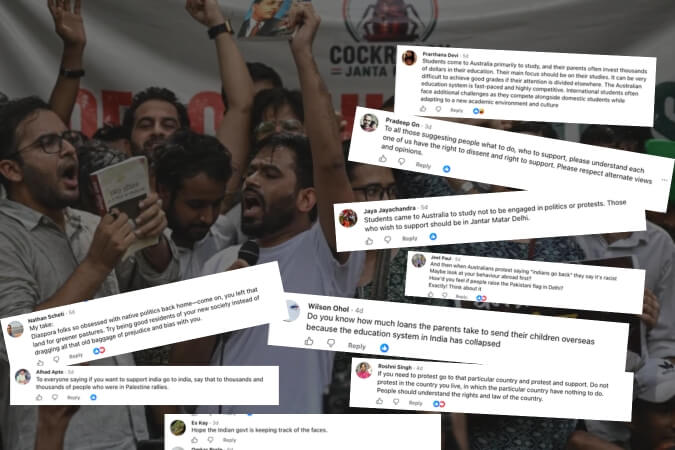
Studying the comments across Indian Link’s social media platforms, listening to talkback callers on Indian Link Radio – and even across WhatsApp groups and in social gatherings – one theme keeps resurfacing: a growing generational divide over what it means to be a good Indian, a good migrant, a good citizen and a good Australian.
The split appears less ideological than generational.
For many older Indian Australians – Boomers and Gen X – the advice is familiar.
Study hard. Work hard. Don’t get distracted by politics. Be grateful for the opportunities Australia has given you. We came with very little and built our lives without protesting.
Many arrived from an India where governments were distant, bureaucracy was frustrating, and changing the system often felt impossible. Their instinct while in India was to adapt and persevere, and they managed to succeed despite the obstacles.
Moving to Australia, they were welcomed by a country where effort is largely rewarded. They built careers, bought homes, raised families and found prosperity by keeping their heads down. Their gratitude for that opportunity shapes their worldview.
That worldview was reflected in many of the comments on Indian Link’s social media.
Some argued that international students had come to Australia to study, not engage in politics. Others said that if people wished to protest about Indian issues, they should do so in India rather than here in Australia. Several worried that bringing Indian political divisions into Australia risked disturbing the harmony of their adopted country. A handful went further, calling for deportation, even the cancellation of Overseas Citizen of India (OCI) cards.
Underlying many of these comments was a common belief: migrants should focus on making the most of the opportunities Australia offers, rather than importing the politics they left behind.
Gen Z, however, often sees the issue differently.
Whether they live in India or in Australia, young people view political engagement not as a distraction from citizenship, but as an expression of it. For many younger Australians of Indian origin, activism is not evidence of ingratitude – but of belonging. They protest not because they reject Australia or India. They protest because they believe they have a stake in the future of both.
They’ve grown up in a world where governments are expected to be accountable, where social movements are organised online, and where global conversations unfold instantly across continents. They compare systems, question institutions, and believe they have every right to demand better.
Their response is simple: if something is broken, why shouldn’t we try to fix it?
Supporters of the protests argued that student activism has always been part of democratic life, pointing out that many of today’s political leaders first became politically active while at university. Others praised the younger generation for showing courage, integrity and moral conviction.
Some rejected the suggestion that migrants should remain silent about events in India. Australians, they noted, regularly protest issues far beyond their own borders – from Ukraine to Gaza -without anyone questioning their right to do so. Why should the Indian diaspora be held to a different standard?
A post shared by Pri💕| Lifestyle & UGC Creator ✨ | Romanticising Melbourne 🤍 (@oatcapbabe)
Others reminded critics that many students leave India precisely because they want better educational and employment opportunities than those available at home. Supporting reforms, they argued, does not diminish their gratitude towards Australia; it reflects their continued concern for the country they left behind.
Interestingly, many of the grievances raised by younger voices are not entirely new.
Complaints about corruption, accountability, educational reform and governance have surfaced under governments of different political persuasions over many decades. Perhaps previous generations simply accepted these frustrations as part of life. Or perhaps they lacked today’s international exposure – and digital megaphone – to organise collectively and make themselves heard.
What has changed may not be the problems themselves, but the expectation that they should be addressed.
None of this makes one generation right and the other wrong.
One generation values resilience, sacrifice and gratitude, the other prizes accountability, transparency and reform. One believes success comes from adapting to the system, the other believes good citizens have a responsibility to improve it.
Perhaps both are responding to the worlds that shaped them.
Amid the passionate exchanges, one comment stood out for rising above the debate itself.
“To all those suggesting (to) people what to do, who to support, please understand each one of us has the right to dissent and the right to support,” wrote Pradeep GN. “Please respect alternate views and opinions.”
In many ways, that may be the real test for a multicultural democracy: not whether everyone agrees, but whether disagreement itself can coexist with respect.
Read more: Australia’s Indian diaspora responds to the CJP protests
Related Stories
 India
India
Jantar Mantar: Is this the end for iconic Delhi protest site?
17 minutes ago
 India
India
Rajnath Singh to Represent India at SCO Meeting in Tajikistan on October 19
1 hour ago
 India
India
DMK’s Fresh Attack on Congress Raises Questions Over Opposition Unity and a Possible Third Front
2 hours ago
 India
India
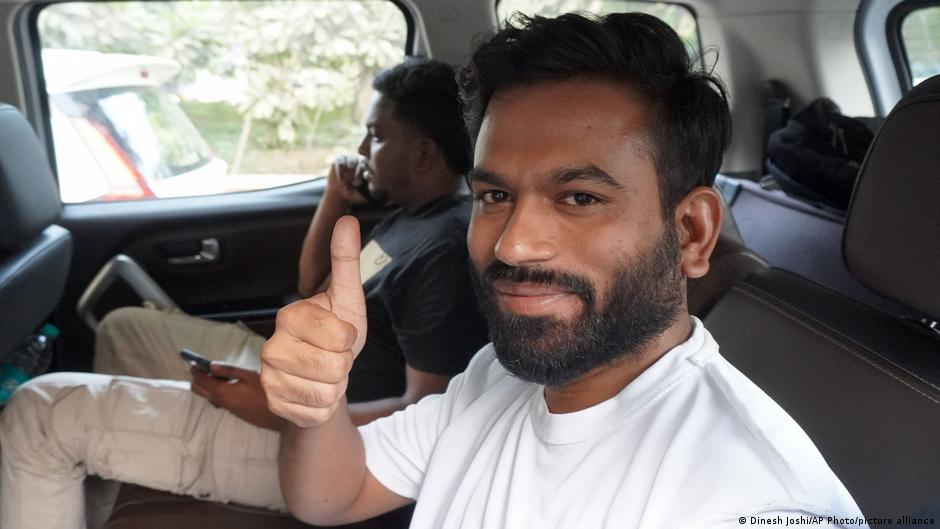
India: 'Cockroach' (CJP) leader Abhijeet Dipke released after detention
7 hours ago
 India
India
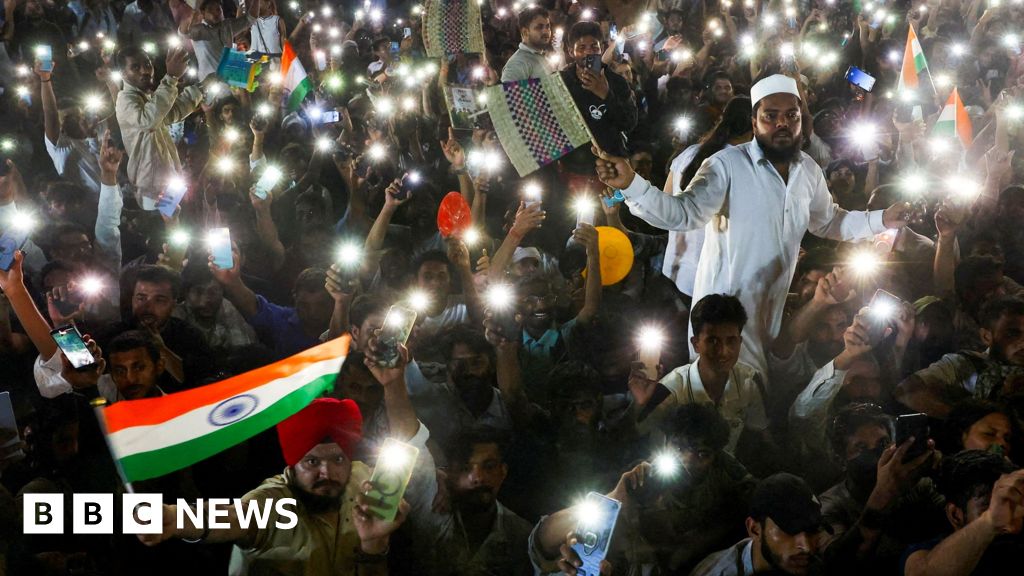
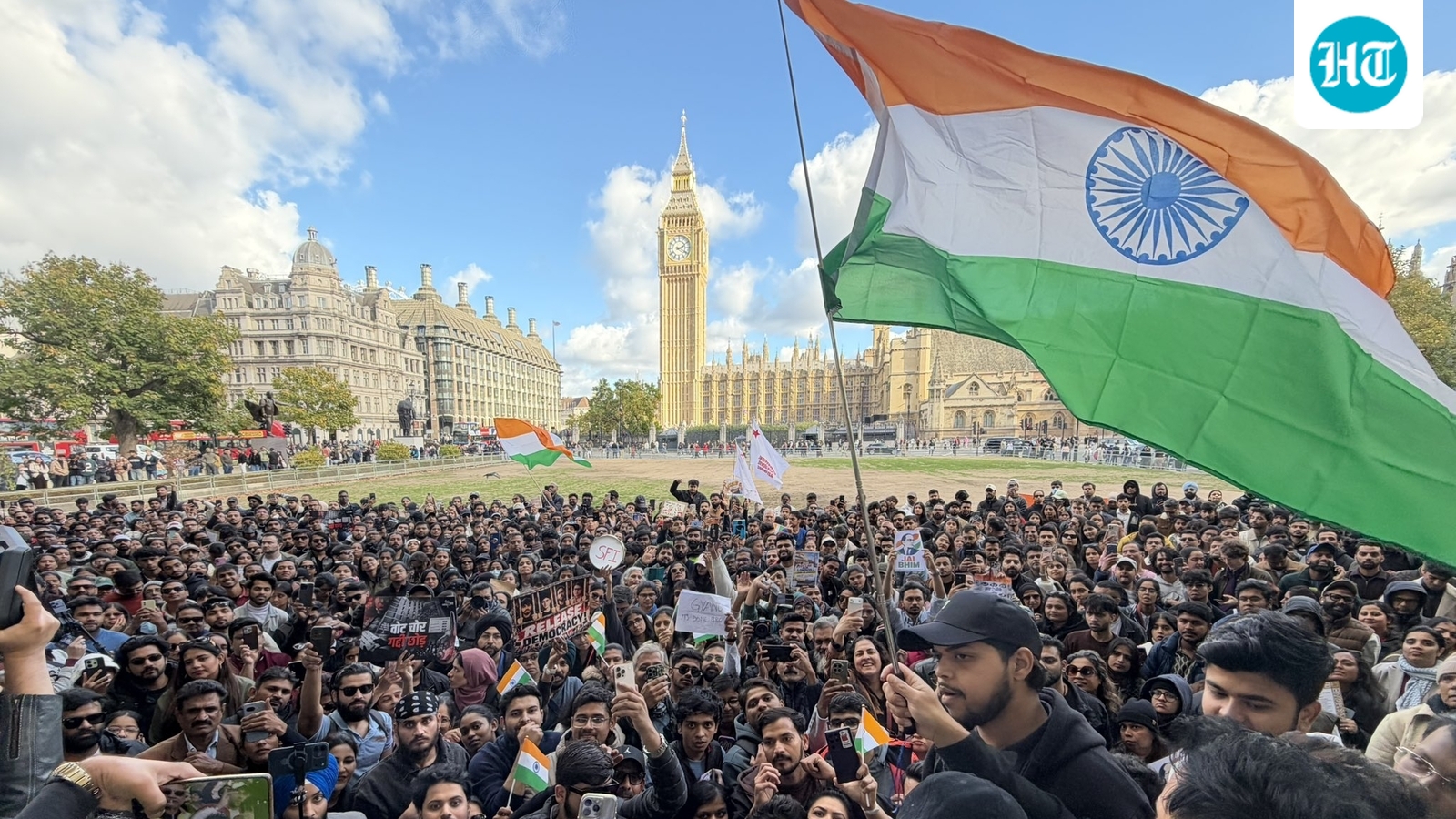
‘Jantar Mantar is Everywhere’: Indian diaspora across the world stage anti
7 hours ago
 India
India
Indian diaspora in London stages counter
8 hours ago
 India
India
Defence Minister Rajnath Singh To Represent India At SCO Council Of Heads Of Government Meeting In Tajikistan
11 hours ago
 India
India
Just Like That | Jantar Mantar: From the science of the stars to the politics of dissent | India News
12 hours ago