
China Cracks Down On Overseas Investing After Record $1 Trillion Capital Flight To US, Hong Kong Markets
Benzinga and Yahoo Finance LLC may earn commission or revenue on some items through the links below.
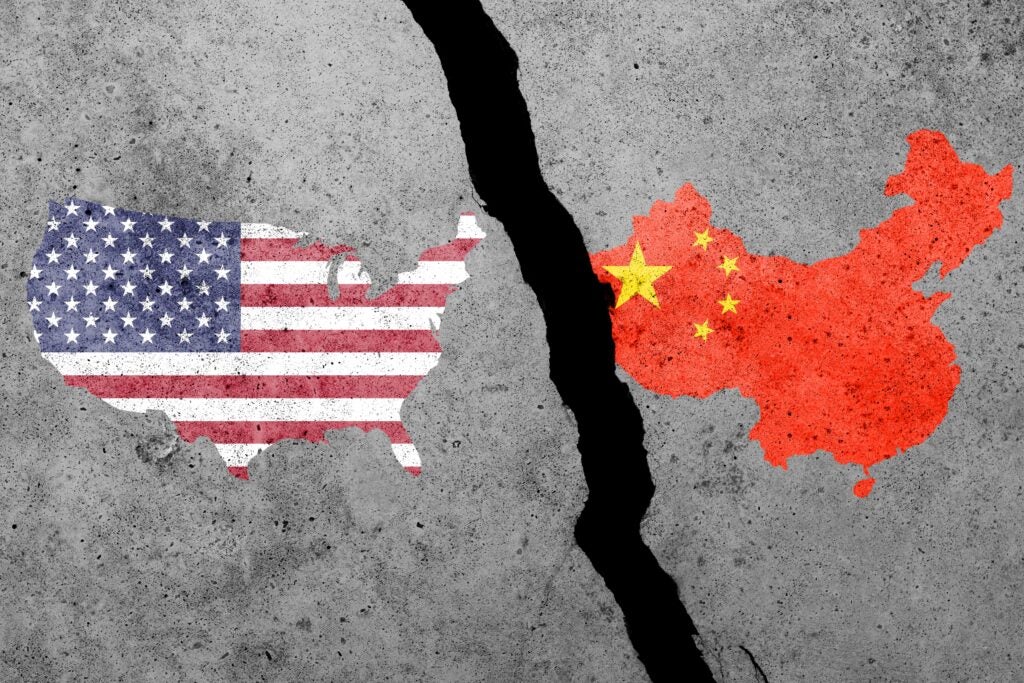
China has imposed restrictions on cross-border trading after the data showed Chinese money is flowing out of the mainland at a record pace into the U.S. and Hong Kong markets.
According to an X post by The Kobeissi Letter on Tuesday, China recorded an estimated $1 trillion in capital outflows in 2025, more than double the levels since 2021. This represents "the largest annual outflow since records began in 2006."
The letter stated, "Chinese investors have moved funds into overseas equities through offshore brokers, particularly into the US and Hong Kong markets."
A single bad hire can set a startup back years. Here are the 5 hires founders most often misjudge — and why
Still Learning the Market? These 50 Must-Know Terms Can Help You Catch Up Fast
A recent analysis by Caixin suggests that a significant portion of China’s $1.2 trillion trade surplus is unexpectedly flowing into the Hong Kong stock market.
In an effort to control capital flight, China has tightened capital controls by imposing restrictions on cross-border stock trading on May 22, ordering all illegal accounts to be liquidated within 2 years.
Under the initiative, the China Securities Regulatory Commission said it will take strict action against Singapore-based Tiger Brokers, Hong Kong-based Futu and Longbridge Securities, imposing a combined penalty of $330 million for conducting illegal cross-border business operations without regulatory approval.
See Also: Avoid the #1 Investing Mistake: How Your ‘Safe' Holdings Could Be Costing You Big Time
The move would reshape how mainland Chinese access foreign markets. Citic Securities warned that the crackdown could affect as much as HK$250 billion (S$41 billion) of assets in Hong Kong, according to the report by The Business Times.
The capital flight and trade restrictions came at a time when China’s AI chip market is growing rapidly, with chip exports reportedly doubling last month to a record $31 billion.
China’s leading firms like Semiconductor Manufacturing International Co. (SMIC), Hua Hong Semiconductor, and many Huawei-linked chipmakers are scaling production of advanced semiconductors amid the U.S. export curbs, along with growing AI demand and supply shortages.
Photo courtesy: Tomas Ragina via Shutterstock
Skip the Regrets: The Essential Retirement Tips Experts Wish Everyone Knew Earlier.
Think you're saving enough for your kids? You might be dangerously off — see why
Related Stories
 Finance
Scott Moe US Trade REAX
28 minutes ago
 Finance
Victim of Prince George plane crash identified as devoted coach, volunteer and mother of 2
28 minutes ago
 Finance
UP election to Maharashtra cooperatives: Why sugar is at the heart of rural politics
1 hour ago
 Finance
What are the diplomatic costs of Trump’s tariff strategy?
3 hours ago
 Finance
Quasa Projects: The PPC Advertising Platform Powering the New Crypto Economy
8 hours ago
 Finance
US treasury secretary announces ‘onslaught’ of sanctions to isolate Iran from world economy
10 hours ago
 Finance
Dominic Perrottet’s brother allegedly shared ‘dirt’ including secret phone recording of minister, Icac hears
16 hours ago
 Finance
Bitcoin: Peter Schiff Sees an AI Threat on Three Fronts
17 hours ago