
Carney says Canada planned for possible U.S. military action. What does that mean under a Trump presidency?
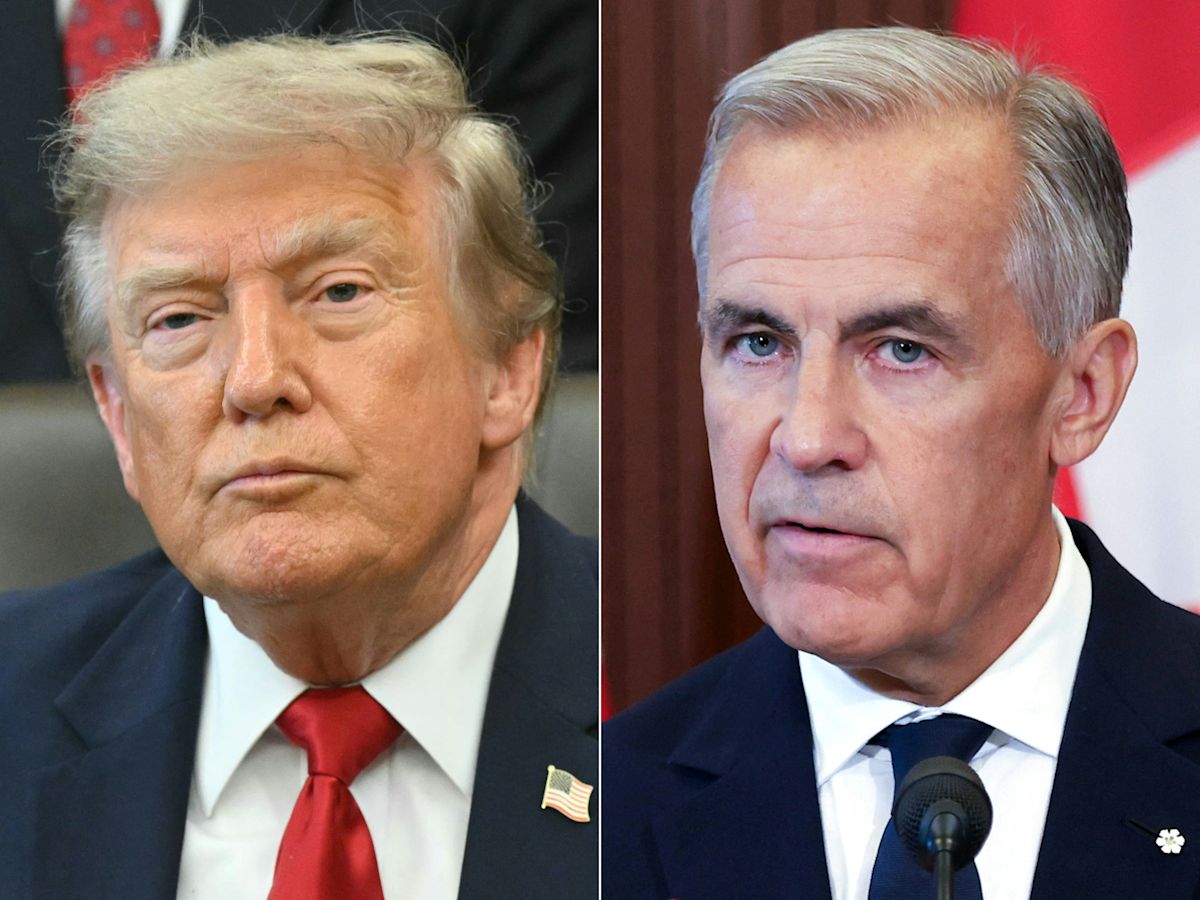
Prime Minister Mark Carney says Canada has examined the possibility of U.S. military action. It sounds extraordinary, and historically, it is.
Canada and the United States have spent decades building a deeply integrated defence relationship. Yet experts say examining what Carney called an "extreme tail risk" does not mean Ottawa believes conflict is likely.
Carney told The New York Times that his government had studied the possibility of U.S.-led military action. He said it would be "irresponsible" not to prepare for extreme risks, while stressing that such a scenario is "not a base case."
The comments come after U.S. President Donald Trump repeatedly talked about Canada becoming the 51st state. Trump previously ruled out using military force against Canada while saying he could use "economic force."
Defence Minister David McGuinty also downplayed the significance of Carney's comments Thursday.
"It is normal. All militaries in the world spend time analyzing risk scenarios," he told reporters.
Why plan for something so unlikely?
Andrea Charron, director of the Centre for Defence and Security Studies at the University of Manitoba, said Carney's comments reveal little about the actual likelihood of a U.S. attack.
"It doesn't provide insight into the risk level or likeliness," Charron told Yahoo News Canada.
"I think the scenario is very unlikely, but there is always value in contingency planning."
The purpose, she said, is not to predict what will happen. Instead, governments prepare for a range of possible events, including unlikely ones with potentially enormous consequences.
Beginning in 1921, military planners worked on Defence Scheme No. 1 — a contingency plan for defending Canada against a U.S. invasion. Work on the draft continued until 1926 before the plan was allowed to lapse as relations improved, according to Canada's official military history.
Robert Bothwell, professor emeritus of history at the University of Toronto and an expert on Canada-U.S. relations, said seriously contemplating America as a military threat is exceptionally unusual in modern Canadian history.
Asked how unusual, Bothwell was blunt.
"Not since colonial times," he told Yahoo News Canada.
Bothwell said the U.S. did not truly become viewed as Canada's security partner until the late 1930s, and especially after the 1940 Ogdensburg Agreement.
That agreement established the Permanent Joint Board on Defence and helped usher in decades of continental defence cooperation.
The relationship deepened further with NORAD, established in 1958.
NORAD is a binational military command run by Canada and the U.S. It handles aerospace warning, aerospace control and maritime warning. Its commander is appointed by and responsible to both governments.
What if the partner becomes the threat?
That integration is what makes even conceptual planning against the U.S. unusually complicated.
"Existing arrangements would become unworkable almost instantly," Charron said.
She said questions could quickly emerge around shared warning systems, intelligence, network access and command structures. Personnel and procedures built around decades of cooperation could also have to be disentangled.
"The depth of integration at all levels: economically, militarily, institutionally, diplomatically not to mention the familial links would create enormous difficulties for both parties," she said.
If relations ever moved toward a genuine security threat, Charron said the earliest signs would likely be political and institutional rather than troops appearing at the border.
Those could include restrictions on intelligence sharing, pressure on existing defence agreements or changes involving critical military supply chains.
Still, she stressed that contingency planning should not be mistaken for prediction.
"The apparent contradiction arises because we often assume defence planning is about predicting the most likely future," Charron said. "It is not."
For Bothwell, however, the fact that Canada is openly discussing the possibility at all is historically significant.
Related Stories
 Canada
‘We’re still getting what we need’ from Canada, Trump’s trade lead tells U.S. media
54 minutes ago
 Canada
CEO who drew ire for posting photo of ‘Lake America’ sweatshirts ‘no longer an employee’
1 hour ago
 Canada
Expat throws a pro-Canada party in Michigan
1 hour ago
 Canada
Trump ‘comfortable’ with pause in Canada trade talks, Greer says
1 hour ago
 Canada
Ready for the harvest moon this weekend? Here’s what you’ll see in the sky
1 hour ago
 Canada
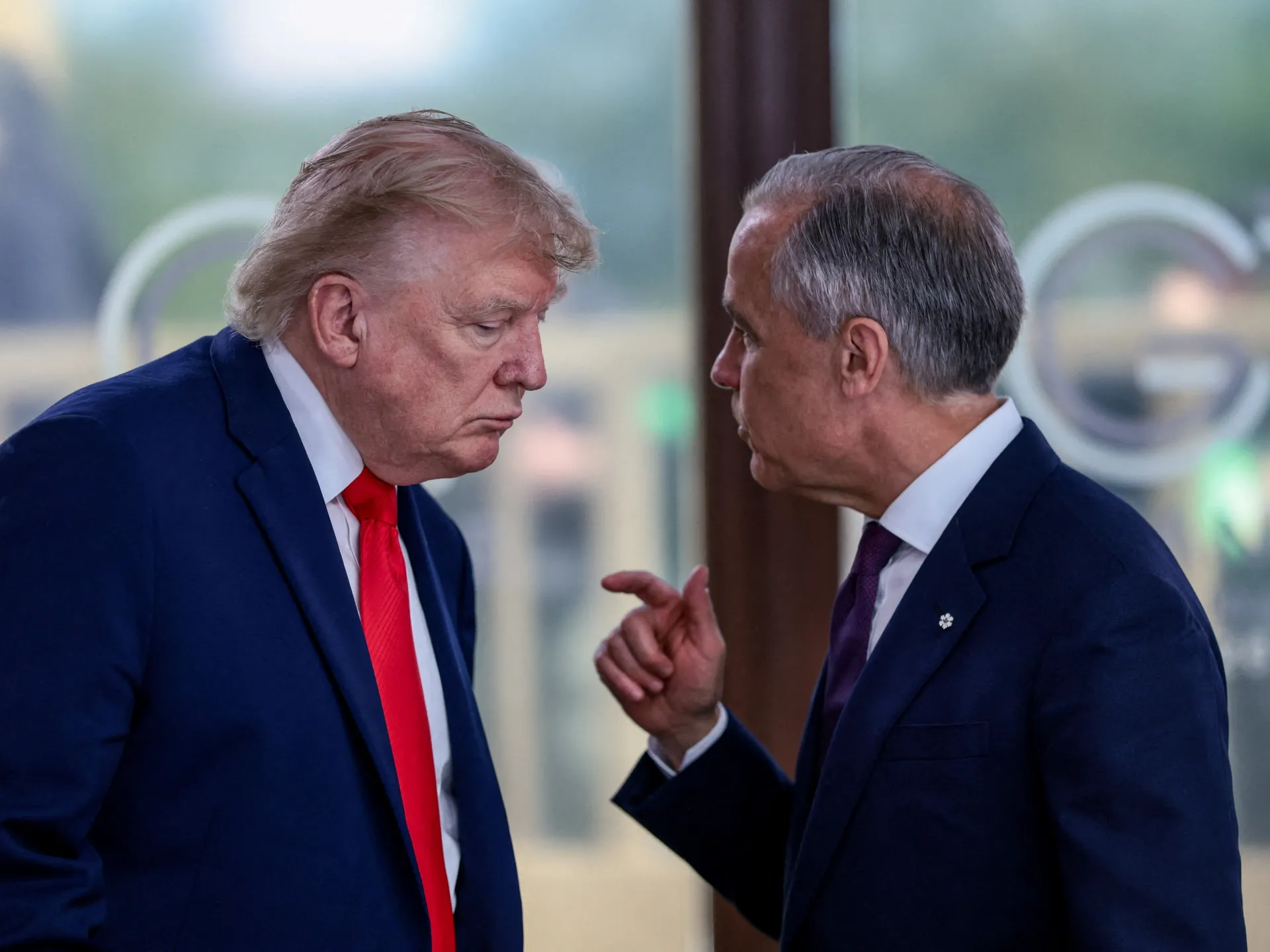
Why Canada is not ruling out a possible war with the US
1 hour ago
 Canada
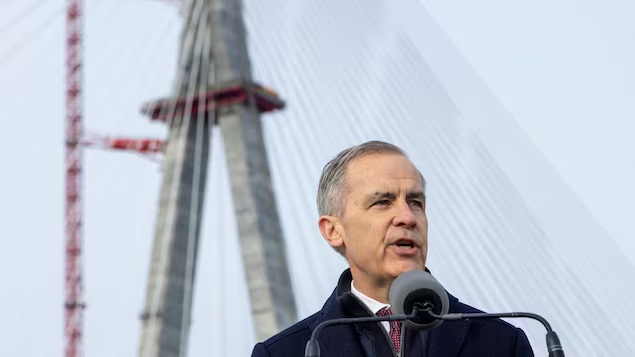
Feds disclose more details on Trump admin request to delay Gordie Howe bridge opening
2 hours ago
 Canada
EXCLUSIVE: RCMP arrest four in alleged Pearson drug smuggling bust
2 hours ago