
Canada’s October 13 news briefing covers Alberta’s referendum, tariff pressures, job losses and Commons debates
Canada NewsHawks: Alberta Referendum, Tariff Pressures and Commons Debate Lead October 13 Briefing
THUNDER BAY — Alberta’s referendum campaign enters its advance-voting stage Tuesday, October 13, while Canada faces a weakening labour market and continuing uncertainty over U.S. tariffs.
In Ottawa, MPs have adjourned until October 19 after debating employment figures and advancing legislation on major projects and First Nations drinking water. These are among the leading national developments NetNewsLedger NewsHawks should follow this week.
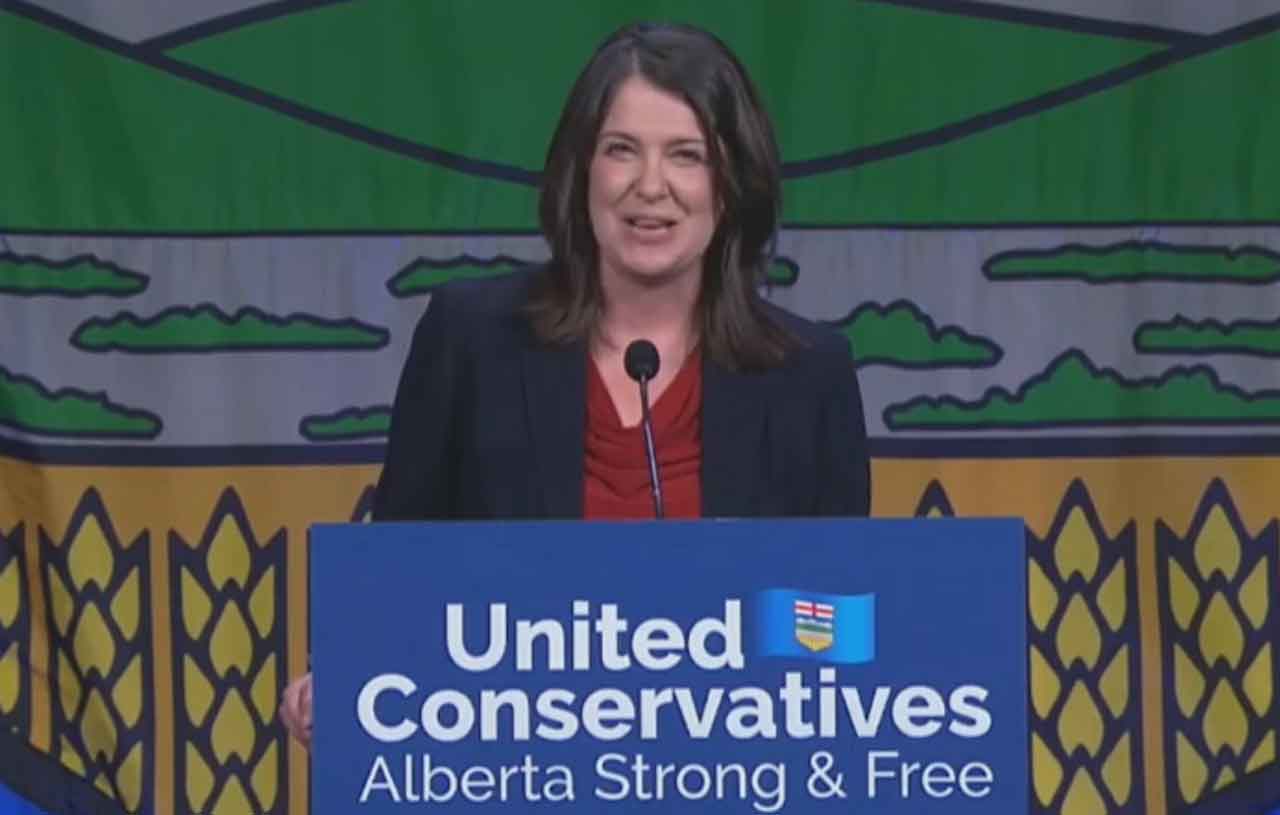
Alberta begins advance voting on its future within Canada
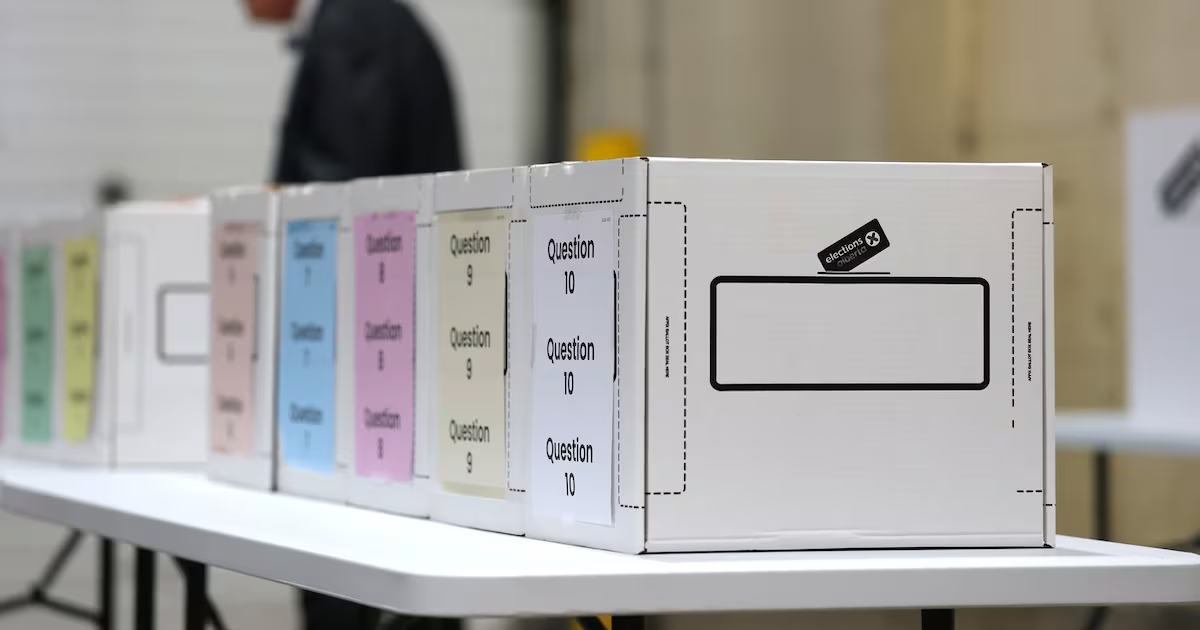
Advance voting runs October 13–17, ahead of referendum day on Monday, October 19.
The separation-related ballot asks voters to choose between remaining a Canadian province and directing the provincial government to begin the legal process toward a later binding separation referendum.
The October 19 vote does not itself take Alberta out of Canada. Elections Alberta identifies this question as non-binding. It is one of ten questions; the other nine address subjects including immigration, access to provincial programs and constitutional arrangements.
Alberta’s government says it supports remaining in Canada while seeking a stronger provincial role.
Léger’s October 8 report found 70% favoured remaining in Canada, while 22% favoured beginning the process toward a binding separation referendum.
The online survey interviewed 1,001 Alberta adults between October 2 and 4. It is a polling snapshot, rather than a prediction of the referendum result.
Prime Minister Mark Carney used his October 12 Thanksgiving video to make the case for unity, drawing on his upbringing in Alberta and arguing that division would undermine national projects.
“You can’t build big things on fault lines,” Carney said.
Analysis: The vote will test whether Alberta’s constitutional debate moves toward another referendum or toward negotiations within Confederation. The poll suggests a substantial remain advantage, but turnout will determine the ballot result.
Tariffs squeeze the economy through exports and business costs
The trade dispute affects Canada through several channels: American barriers to Canadian exports, Canadian counter-tariffs on specified U.S. products, and uncertainty about future trading rules.
The Bank of Canada’s September 2 policy statement warned that new tariffs posed risks to the recovery and could increase business costs and consumer prices.
Canada’s September 7 customs notice sets out 15%, 25% or 50% surtaxes on specified U.S.-origin goods, effective September 8. The applicable rate depends on the product; these are not blanket rates on all American imports.
An October Bank of Canada staff working paper examines how tariffs pass through production networks.
Researchers found that machinery and transportation equipment can have particularly large effects on final prices because businesses use them throughout supply chains. In their framework, approximately two-thirds of the total price response came through higher intermediate-input costs.
That research examines Canada’s 2025 counter-tariffs. It explains how costs spread, rather than measuring the full impact of the September 2026 measures.
Analysis: A business may face higher costs even when its finished product is made in Canada. Imported equipment, components and other inputs can carry tariff costs that affect margins, pricing and investment decisions.
Canada loses 68,000 jobs in September
Statistics Canada’s October 9 Labour Force Survey reported approximately 68,000 fewer jobs in September, following a decline of 42,000 in August.
The national unemployment rate rose to 6.5%. Employment among young people aged 15 to 24 fell by 48,000.
The largest industry declines were in education, health care and social assistance, and manufacturing.
The provincial picture was mixed: employment fell by 49,000 in Quebec and 20,000 in British Columbia, while Alberta gained 23,000. These are survey estimates of net employment changes, rather than a count of announced layoffs.
The figures do not establish how much of the decline tariffs caused. Employment can also change because of domestic demand, population trends, public-sector decisions and other factors.
Latest from the Commons: Government and Conservatives clash over jobs
The House is not sitting on October 13. Its latest sitting was October 9, and it is scheduled to return October 19 at 11 a.m. EDT.
The employment report dominated the opening exchanges of Friday’s Question Period.
Conservative MP Garnett Genuis said “the government must answer for today’s devastating job numbers” and blamed federal policy for weakening opportunity.
Liberal parliamentary secretary Ryan Turnbull responded that “a trade war causes economic volatility.” He pointed to tax reductions and investment measures as the government’s response.
Those were competing political explanations. The employment survey itself does not settle that disagreement.
Major-project legislation advances to committee
The Building Canada Strong Act, Bill C-39, passed second reading on October 8 by 296 votes to 26 and was referred to committee.
The proposed legislation would change federal project-assessment and permitting processes, transportation and supply-chain rules, and parts of the Canada Labour Code.
Its project-review provisions include proposed one-year decision timelines after required information and studies have been provided, alongside coordination of authorizations and Indigenous consultation.
Second reading is not final passage. The bill remains under parliamentary consideration and has not become law.
Northwestern Ontario analysis: The proposal deserves attention from communities considering mining, energy and transportation developments. Faster reviews, environmental protections, workers’ rights and Indigenous rights must be assessed through the bill’s actual provisions and subsequent amendments.
First Nations water bill moves forward amid rights concerns
The Commons also passed Bill C-37, the proposed First Nations Clean Water Act, at second reading on October 9 and referred it to the Indigenous and Northern Affairs committee.
Indigenous Services Canada says the proposal would establish enforceable drinking-water protections, support First Nations water jurisdiction and develop a long-term funding framework. The legislation remains contested. During the October 9 debate, NDP MP Leah Gazan argued that its treatment of Aboriginal title and source-water protection would weaken First Nations’ ability to protect water beyond reserve boundaries.
Her criticism is an opposition position; it should not be presented as a view shared by every First Nation.
Regional analysis: For Northern Ontario, the practical issues include reliable operations funding, trained water operators, infrastructure maintenance and protection of the sources feeding community systems. Committee testimony and amendments will help show how the legislation addresses those needs.
Ottawa announces national home-energy retrofit package
Home heating costs remain another national affordability story.
On October 8 in Sherbrooke, Que., Carney announced a $2 billion package, which Ottawa says will support one million home retrofits.
The announced National Heat Pump Rebate would provide eligible below-median-income households with up to $10,000, and other eligible households with $2,000. The package also includes measures for apartment-building retrofits.
These are announced commitments. Homeowners need the final eligibility and application details before counting on a rebate.
Local analysis: Thunder Bay’s winter heating season makes this worth following. The eventual value for a household will depend on its existing heating system, installation costs, electricity costs and eligibility.
Canada joins allies in condemning alleged Iranian hostile activity
On October 12, Canada joined other countries in condemning activities they attribute to Iran, including lethal plotting, arson, sabotage and cyberattacks.
The joint statement pledged coordination to identify, disrupt, investigate and prosecute hostile activities.
The statement is the participating governments’ account. It does not announce a new charge or establish that a specific incident occurred in Thunder Bay.
What Thunder Bay readers should watch next
Local analysis: National developments reach Northwestern Ontario through business costs, employment, heating bills and decisions about infrastructure and Indigenous rights.
The referendum concerns Canada’s political future. The tariff dispute concerns access to markets and the cost of doing business. The Commons bills concern how projects are reviewed and how public responsibilities are carried out.
These dates are published by Elections Alberta, the House of Commons and the Bank of Canada.
Related Stories
 Canada
Murder arrest following woman's sudden death
30 minutes ago
 Canada
2 roller coasters closed at Canada's Wonderland after someone dies on similar ride in Georgia
30 minutes ago
 Canada
Opinion: Alberta's anger is not a rejection of Canada
31 minutes ago
 Canada
The looming winter heating bill that will cost homeowners thousands
31 minutes ago
 Canada
Six Flags closes 9 rides after 1 person dies in an incident involving a roller coaster in Georgia
1 hour ago
 Canada
Drones hit ships in Black Sea, sinking 1 and prompting rescue operations, Bulgaria says
1 hour ago
 Canada
A military underfunded, undermanned and underprepared
1 hour ago
 Canada
More than 300 advance polls open across Alberta in historic referendum on separation
1 hour ago