
Canada's immigration system needs to be reset in order to face ongoing economic challenges, says RBC
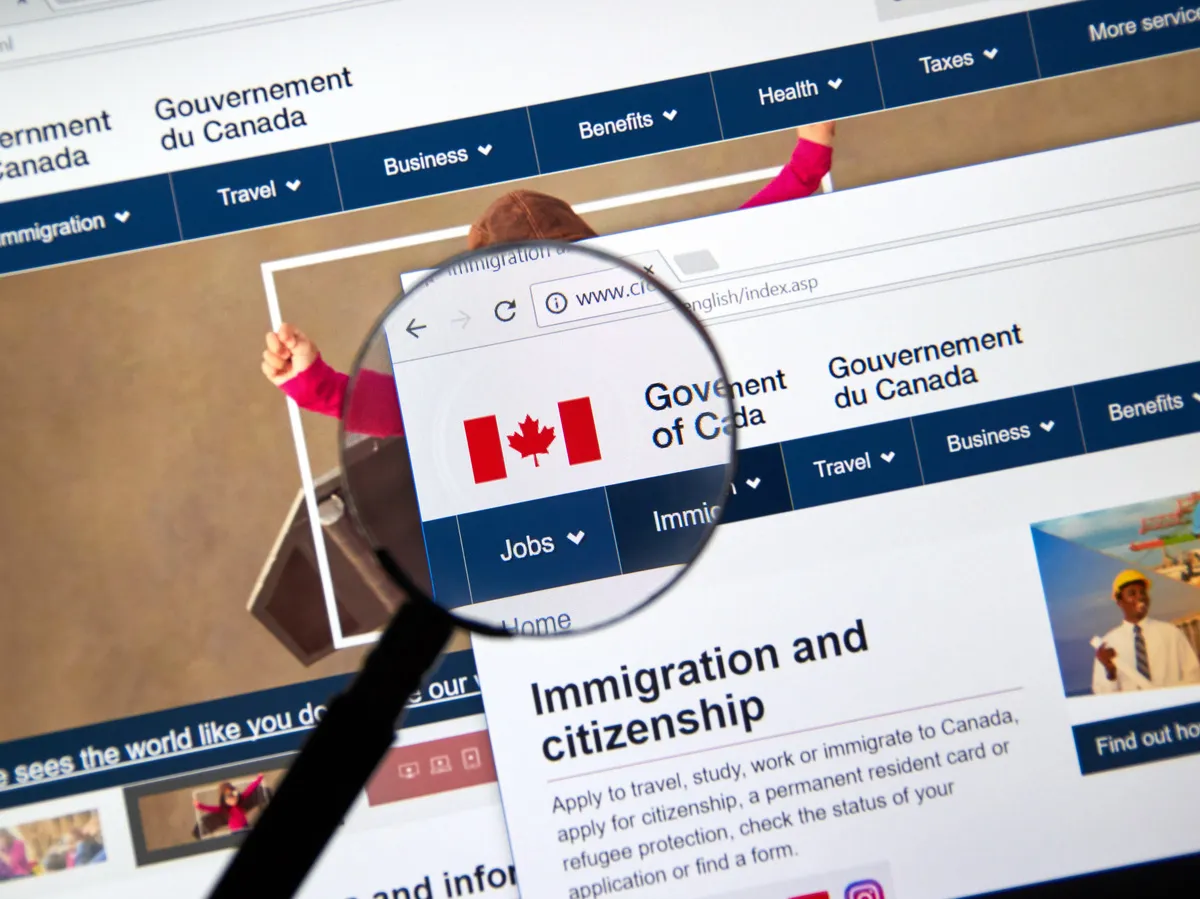
Canada’s immigration strategy has lost its edge, so rebuilding trust in the system is needed as Ottawa looks to reduce its reliance on the United States and pursue new economic goals, according to a new Royal Bank of Canada report.
The report said factors such as population shocks — from the huge increase in immigration between 2022 and 2024 to a rare decline in population numbers in 2025 — frequent rule changes, a weakened points system and a diminished focus on skills and experience have created an unstable environment, which is not good for the economy.
“The report adds to the urgency of getting our strategy in order and making sure that we are able to attract the talent that we need to pursue the economic plans that Canada has for itself right now and keep our economy strong,” said Jackie Pichette, director of skills policy at RBC Thought Leadership, who authored the report.
The federal government is trying to speed up and fund key projects linked to sectors such as energy, mining and transportation as it looks to make the economy more independent amidst a trade war with the U.S., but a stable immigration system is also needed to attract the talent to support these industries.
Canada’s immigration system has historically been reliable, but it’s been less so in recent years as the country added three million newcomers between 2022 and 2024, which is roughly the equivalent of a decade’s worth of immigration, the report said.
The population growth rate was later pulled back through temporary resident caps and lower immigration targets, but the report said these led to shockwaves as well. For example, more than 25 rule changes impacted international students from 2024 to 2026, resulting in more than 20,000 job losses in the post-secondary sector.
The disarray comes at a time when more than 25,000 Canadians retiring every month and with the number of deaths outpacing births, the report said.
“Without immigration, the country’s population would shrink to half its size by the turn of the century,” it said.
The report said the Express Entry system, one of the more popular ways of immigrating to Canada, is not working as intended due to changes introduced in 2022.
The system provides prospective immigrants with points for their education levels, work experience, English and French language proficiency, age and other factors. The higher applicants score, the higher the chance they have of becoming permanent residents, which eventually leads to citizenship.
The system is designed in a way to attract young, skilled people who are more likely to earn more money and contribute positively to the Canadian economy.
But the government in 2022 introduced a category-based system that allows it to select certain immigrants from in-demand occupations or groups, including pilots, doctors and people who speak French. A person with a lower overall score in one of these groups could be invited before someone who scored higher, but is not in one of those categories.
Related Stories
 Immigration
ACT’s new immigration policy to put ‘reside’ back in ‘resident’
1 hour ago
 Immigration
Canada Releases Official Fees for Visas, PR, Citizenship in 2026
6 hours ago
 Immigration
Why is there a row about an MSP's immigration status?
12 hours ago
 Immigration
EU and Nato vow to step up pressure on Russia after 'new escalation' in Germany
14 hours ago
 Immigration
Super Visa: Updated Minimum Income Requirements
16 hours ago
 Immigration
Canada Visa Processing Times Update for Outside Applicants
18 hours ago
 Immigration
Provincial nominees receive invitations to apply for permanent residence
1 day ago
 Immigration
Election campaign to replace Macron heats up
1 day ago