
Canada
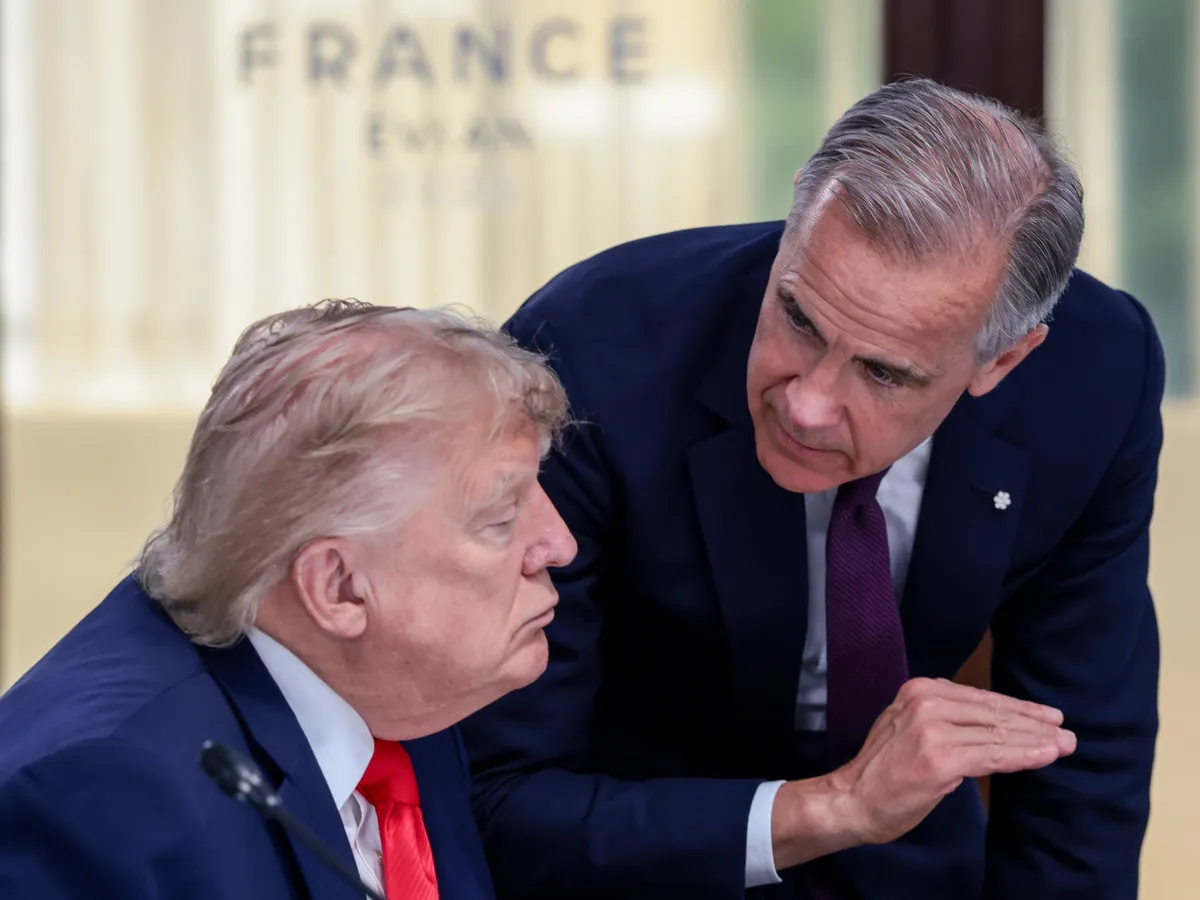
The collapse of trade talks between Canada and the United States this past weekend and the ensuing fallout have stoked debate about whether the entwined economic relationship between the countries — held up around the world as a model of economic cooperation — will survive and, if so, in what form.
Canada-U.S. free trade has evolved over decades through a series of deals, from the 1965 Auto Pact to the current Canada-U.S.-Mexico Agreement, leading to about $1.3 trillion in two-way trade per year, according to the Canadian Chamber of Commerce.
But the abrupt end of talks, followed by a week of finger pointing and name-calling on both sides, is driving home the realization that what once felt like an ironclad partnership that Canadian businesses and consumers could rely on, will never be the same again.
“The uncertainty was always there. What changed is that it became visible, and visible risk can be priced,” said Barry Appleton, managing partner of Appleton & Associates International Lawyers LP in Toronto, who believes Canadian businesses will bear the brunt of the change. “Pricing Canada correctly means pricing it lower than it has been.”
Fen Hampson, a professor of international affairs at Carleton University and co-chair of the expert group on Canada-U.S. relations, said that while negotiators could hammer out an interim deal to lower some sectoral tariffs punishing Canada’s steel and automotive sectors, it is hard to see the broader trade relationship surviving, especially with CUSMA already subject to 10 years of annual reviews that could significantly change its terms.
“To talk about CUSMA going forward, well, they’re in the process of killing it right now,” Hampson said, pointing to the Trump administration’s full-on assault on Canada’s automotive sector, which was at the heart of the original economic agreement between the two countries.
The best-case scenario of persistent tariffs in the now-paused talks would have slowly crippled the Canadian side of the deeply integrated sector, he said, while the last-minute demands would have sped up its demise, something that he believes factored in to Prime Minister Mark Carney‘s decision to walk away.
“The way I look at it is if Carney had agreed, he would have his hand on the stake that they’re driving into the heart of CUSMA, and he said, ‘Thanks, but no thanks. I’m not going to be part of the execution party’,”’ Hampson said.
Carney has acknowledged the new tenuousness of the trade relationship with the U.S. In a statement on Aug. 21, when he told Canada’s team to pack their bags and walk away from the negotiating table, he said the 11th-hour demands by the U.S. were not only unfair and uneconomic, but “called into question the reliability of any deal” with the United States.
At a news conference Monday, Carney said Canada would return to the bargaining table only if the U.S. side came back first with a changed attitude towards Canadian industries and a desire for “a true partnership” between the two countries. He said CUSMA works and that any changes made would have to benefit Canada along with the two other nations.
Related Stories
 Canada
Thieves bought tickets then stole multimillion-dollar necklace in museum smash-and
52 minutes ago
 Canada
Air Canada will now allow you up to 3 mobility aids on flights in expanded policy
52 minutes ago
 Canada
Canada's economy has found its footing. But is it enough to survive the U.S. trade war?
52 minutes ago
 Canada
Can Canada supply itself? Trade war forces businesses to find out
52 minutes ago
 Canada
Edmonton
52 minutes ago
 Canada
Canada Day celebrations underway across Calgary with concerts and cultural events
53 minutes ago
 Canada
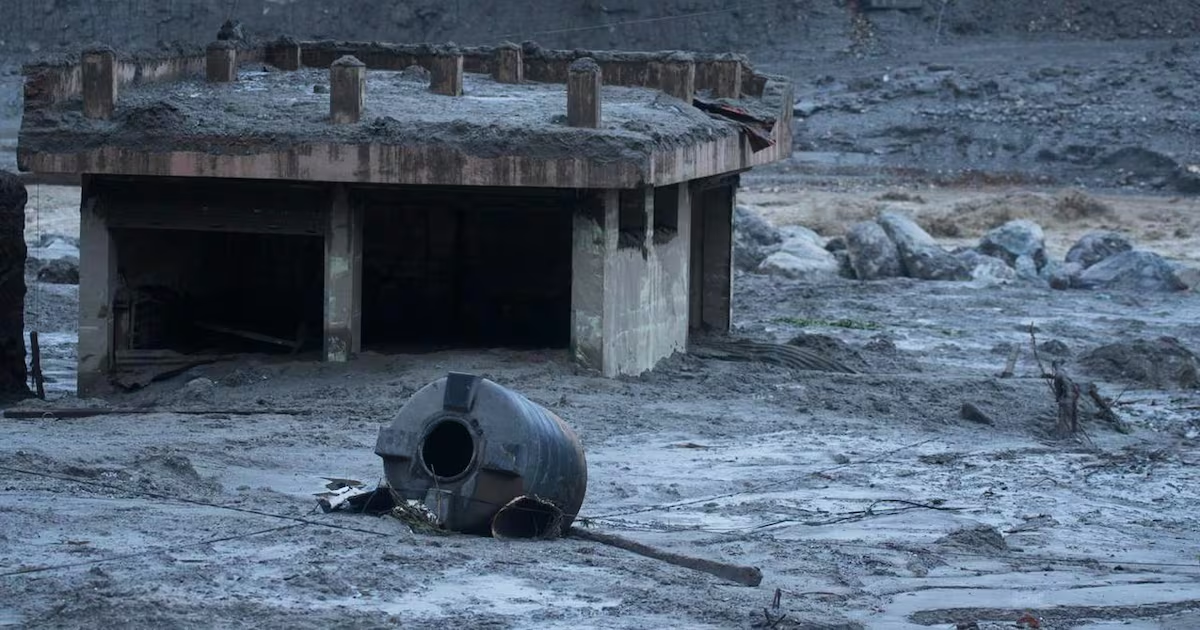
Canada provides $5 million to Nepal relief efforts as search for missing Canadians continues
1 hour ago
 Canada
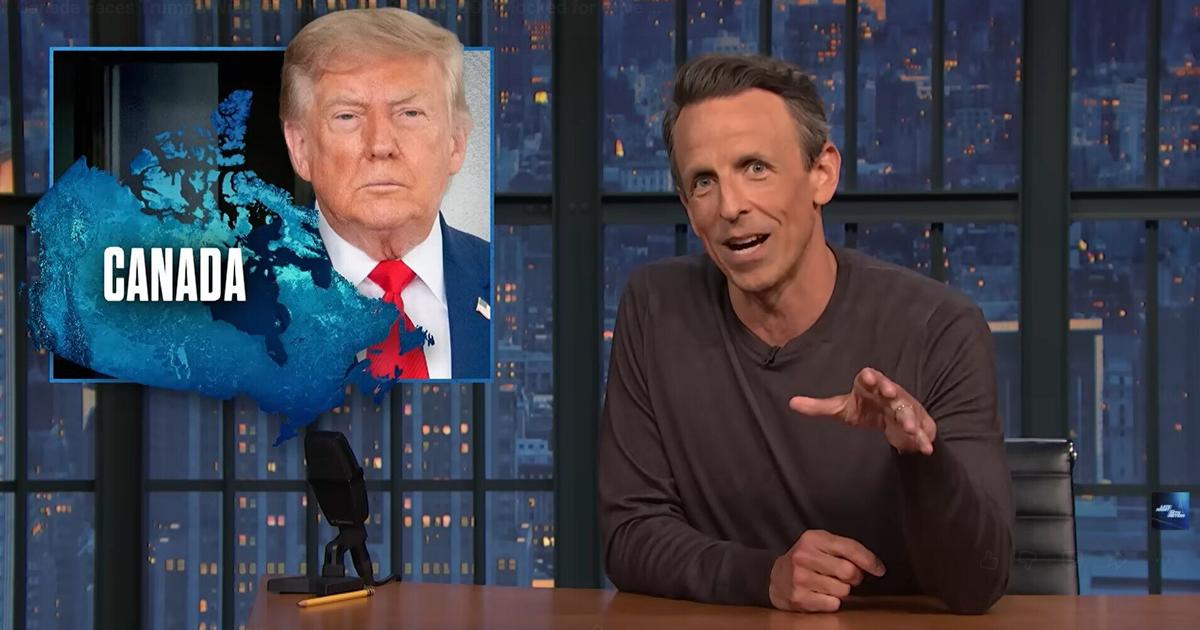
Seth Meyers calls Donald Trump’s trade war with Canada ‘lunacy,’ pokes fun at ‘bad cop’ Doug Ford
1 hour ago