
Borrowing to fuel the artificial intelligence (AI) race:

Nevertheless, the momentum in AI funding has shown signs of slowing down. According to Morgan Stanley, new loans related to this sector globally fell from a record high of $113 billion in June to $23 billion in September 2026. This decline may partly stem from businesses having raised large amounts of capital in the early months of the year. However, this development also shows that investors are more cautious about large expenditures without clear guarantees of profitability. Instead of simply chasing growth prospects, the market is increasingly focusing on investment efficiency and payback periods.
The risks are particularly evident in the data center sector, where businesses must invest significant capital in building infrastructure, operating systems, and continuously upgrading equipment. Meanwhile, revenue from AI services may not grow as quickly as expected. If a project is delayed or demand is lower than anticipated, businesses may incur financial costs for an extended period before generating commensurate revenue.
In New Mexico, Oracle's Jupiter Data Center project is facing obstacles in accessing electricity, putting pressure on related loans worth approximately $18 billion. The delay in implementing such a large-scale project demonstrates that abundant funding is not enough to guarantee that AI investment plans can be implemented on schedule. In many other locations, data centers are also facing opposition from residents due to concerns about electricity and water usage and environmental impact.
In a context where businesses, banks, and investment funds are all involved in financing AI infrastructure, difficulties in a large-scale project could cause the market to reassess the risk of similar loans. If confidence declines, businesses risk having to accept higher interest rates or facing difficulties in raising new capital, thereby slowing down investment progress on a broader scale.
Related Stories
 AI News
Japan institute's system assesses generative AI safety | NHK WORLD
30 minutes ago
 AI News
From AI Job Postings to No
33 minutes ago
 AI News
Russia’s Yandex says data centre in Vladimir shut down after drone attack
34 minutes ago
 AI News
Competition Among China’s AI Models Is Intensifying as the Chip Sector Advances
34 minutes ago
 AI News
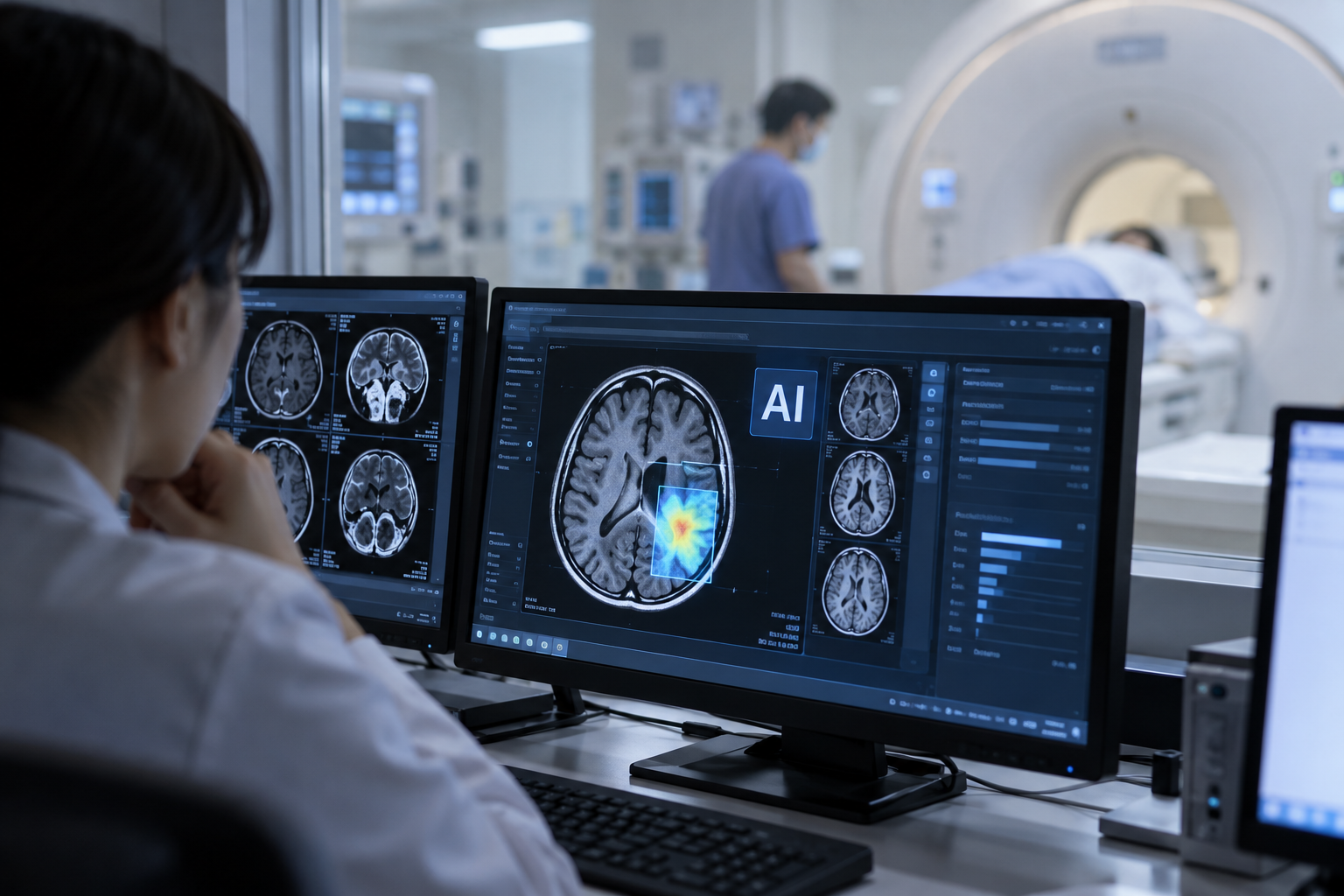
Although the number of artificial intelligence (AI) medical devices that help diagnose diseases and
1 hour ago
 AI News
'We don't work for AI': Greens vow to regulate artificial intelligence
1 hour ago
 AI News
Nvidia Pursues Acquisition of Open
2 hours ago
 AI News
Korea Unveils 103 AI Tools for Startup Challenge Entrants
3 hours ago