
Bipartisan bill would launch federal study on AI and older Americans
PHOENIX (AZFamily) — Three U.S. senators, including Sen. Mark Kelly, D-Ariz., have introduced a bill that would direct federal research into how artificial intelligence tools are affecting older Americans and their caregivers.
The bipartisan Aging with Artificial Intelligence Act would launch a federal study of the benefits and risks of AI. One in four older adults reports feeling isolated or lonely, and the legislation aims to examine whether AI could help address that and at what cost.
Sen. Mark Kelly, D-Ariz., and cosponsor Sen. Rick Scott, R-Fla., are both members of the Senate Special Committee on Aging. They were joined by Sen. Roger Marshall, R-Kan. The bill has drawn support from the American Psychological Association, the American Medical Association, AARP, the National Council on Aging, the Mental Health AI Policy Project, and the Alliance for Secure AI.
The legislation would direct the National Academies to study how older adults are using AI-enabled systems, including chatbots and voice assistants, and their effects on access to information, communication, and daily life. It would also examine potential benefits, such as support for caregivers and aging in place, alongside potential risks, including scams, fraud, financial exploitation, and overreliance on AI-generated advice.
“AI tools are increasingly becoming part of older Americans’ daily lives, but we still don’t fully understand its impact,” Kelly said in a statement. “This bill will help us better assess both the opportunities and risks of AI so we can ensure these technologies support older people’s independence, safety, and well-being.”
The bill directs the National Institute on Aging to conduct ongoing federal research and coordination on AI and aging, and requires reporting to Congress on findings, emerging trends, and future research needs. If passed, a federal report would be delivered within one year.
AARP: Benefits and risks both need study
Megan O’Reilly, vice president of government affairs at AARP, joined Generation AI this week to talk about the group’s support of the legislation. She said older adults are already using AI and are curious about its potential, but questions remain.
“How it can help them live independently? How they can use it to help navigate their healthcare decisions and needs?” O’Reilly said. “But at the same time, there are questions about privacy and trust.”
O’Reilly said AARP supports the bill because it examines both sides. “Both the risks and the benefits of AI for older adults,” she said. “How AI can support older adults and also what are those protections and safeguards that are needed.”
AI companionship tools and social isolation
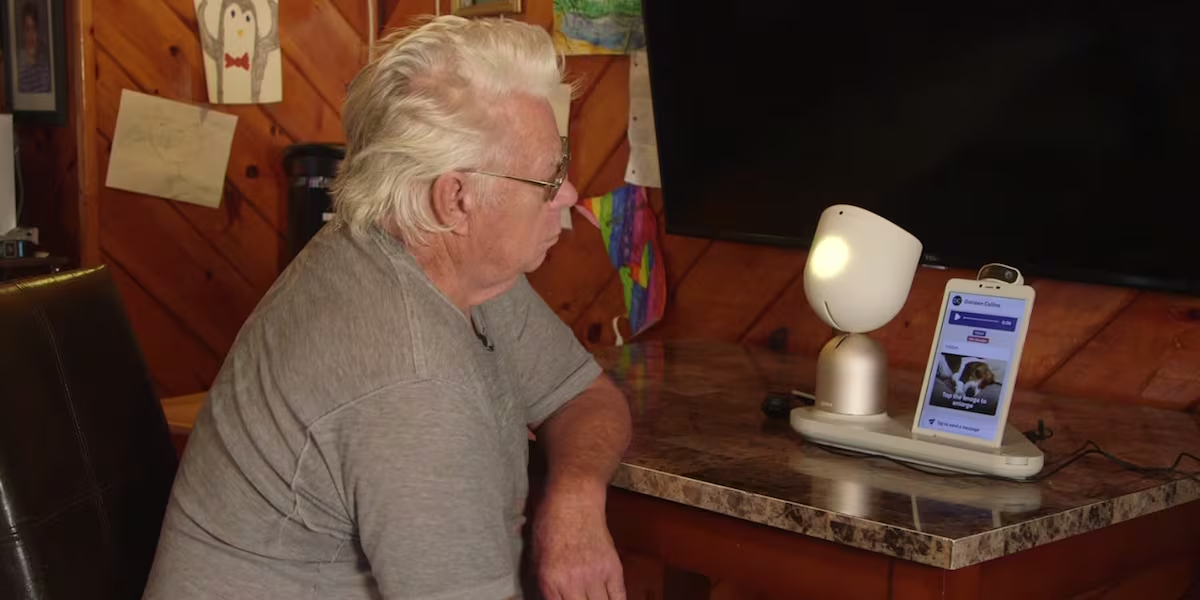
The bill specifically calls for studying outcomes related to AI companionship tools. One such product, ElliQ, is designed for seniors who may feel isolated. It conducts daily check-ins, proactive conversations, wellness reminders, and entertainment — all aimed at reducing loneliness.
One woman who lives alone and has a medical condition said she speaks with ElliQ approximately five hours a day. Asked whether she would prefer to talk to a human, she said, “Well, I’d rather talk to a human being. But that’s not possible for me except if I get on the phone. So I enjoy her better than my daughter.”
O’Reilly said social isolation is a real challenge for older adults and that AI tools can serve a genuine need. But she said transparency is essential.
“There needs to be transparency around how information is being stored, how it’s being used, and that there are safeguards and protections for people as they interface with AI tools such as this,” she said.
The bill explicitly calls for studying the potential risks and adverse outcomes associated with AI, including scams, fraud, and financial exploitation.
O’Reilly said AARP operates a fraud network and works daily to educate and protect consumers. She said existing protections may not be sufficient.
“I think we always need to be doing more,” O’Reilly said, adding that people should pause if something doesn’t seem right and contact trusted sources directly, including calling 1-800-MEDICARE or a personal physician.
On data privacy, O’Reilly said AARP has advocated for strengthening HIPAA protections and called for universal consent standards that are written in plain language.
“The more we can not have people looking at multiple consent forms repeatedly every time they log in, and how we kind of centralize that in a way where it’s easier to understand — that makes sense, and they know it helps empower them with that transparency,” she said.
O’Reilly said ensuring AI reaches all older adults — not just those who are tech-savvy or can afford new devices — starts with education and trust-building. She cited AARP’s ongoing work to connect older adults with technology and help them understand how it can support independent living.
“Trust builds a little bit slower” than technology grows, O’Reilly said. “And so I think we have a lot of work to do.”
See a spelling or grammatical error in our story? Please click here to report it.
Do you have a photo or video of a breaking news story? Send it to us here with a brief description.
Copyright 2026 KTVK/KPHO. All rights reserved.
Related Stories
 AI News
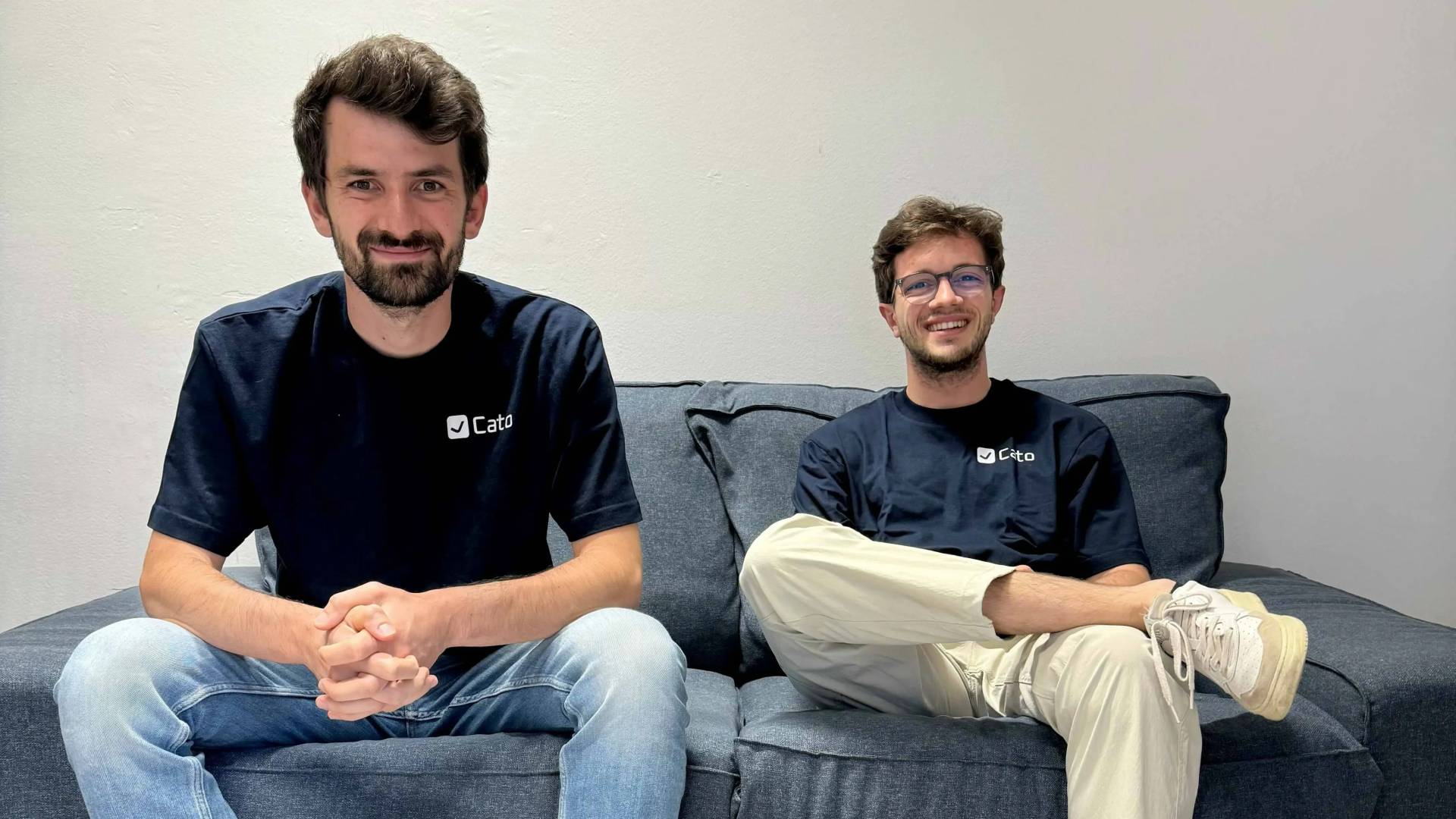
Milan-based Cato raises €6 million to help companies find and win public tenders with AI
38 minutes ago
 AI News
Top Tech News Today: AMEC Chips, Claret Capital Funding, Graduate Hiring, Crypto Hack & AI Applications
39 minutes ago
 AI News
PayPal reduces Israel workforce as company seeks $1.5 billion in savings
39 minutes ago
 AI News
‘No one is prepared for the consequences’: OpenAI chief scientist calls for ‘extreme caution’ over AI’s rapid progress
39 minutes ago
 AI News
AI gains should fund growth rather than facilitate job cuts, says executive
39 minutes ago
 AI News
The Life Insurance Association will put artificial intelligence (AI) into repetitive and regular tas..
39 minutes ago
 AI News
AI adoption surges, but companies still struggle to turn productivity gains into profits
1 hour ago
 AI News
KB Securities is expanding its consumer protection system using artificial intelligence (AI) from th..
2 hours ago