
Australia's Rugby League World Cup squad is a sign of the changing times
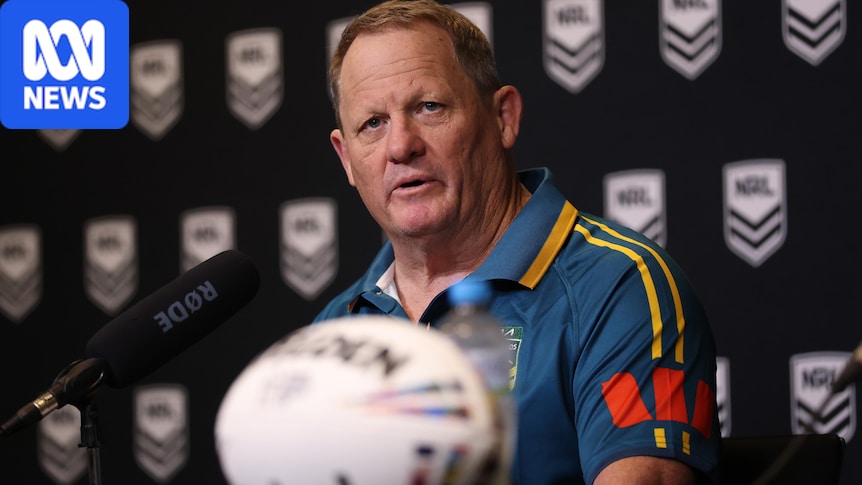
Australia's World Cup squad a sign of the changing face of international rugby league
Kevin Walters has announced his squad for the upcoming Rugby League World Cup. (Getty Images: Darrian Traynor)
The depths of Australia's star power means the Kangaroos will always name squads oozing with class and Kevin Walters's combination for this year's World Cup is no exception.
It's a side with major success stories, young and old and in-between.
James Tedesco's return three years after his last Test caps the 33-year old's resurrection and after he ran the ball to hell and back in the grand final to win the Clive Churchill Medal, there can be no doubt that, at an age where many players best days are only just a memory, he is once again the best fullback in the world.
The inclusion of Dolphins flyer Jack Bostock, who will almost certainly see a Test debut in the World Cup opener given the side's shortage of wingers, heralds the start of a new generation wearing green and gold.
At 26, David Fifita is no longer a youngster in rugby league terms but his looming Australian debut is both a long time coming and well-earned following his strong finish to the year with Souths.
The one-time prodigy has longed seemed a player of limitless possibilities but only now, eight years after his NRL debut and three years since he last played for Queensland, will he get the chance to be a Kangaroo.
But the Australian squad also reveals the new truths about representative football, that the disconnect between State and Origin and Test matches is wider than ever before and may never be stitched back together again.
The disconnect between Origin and Test football has never been wider. (Getty Images: Bradley Kanaris)
It's a process that began with Origin's gradual but unmistakeable rise past Test football as rugby league's biggest stage then continued when a host of players chose to represent Pasifika nations over Australia while retaining their Origin eligibility.
The final change came earlier this year when the NRL allowed players to represent New Zealand or England and still being available for Origin selection.
Both of those eligibility changes reflect the changing face of rugby league and the people who play it and the game is better for them.
But it does require a reset of over a century's worth of thinking that interstate football is the pathway to national selection.
This has not been true for some years now, but there's a reason old habits have a hard time dying.
And while Australia will never be hard up for talent, some of the more eyebrow-raising picks prove this old adage is as antiquated as Kangaroo tours that travel to England by boat.
Robert Toia would have been a walk-up start for Australia but has chosen Tonga. (Getty Images: Izhar Khan)
Not one of the Queensland outside backs is in the side at all. Kalyn Ponga, Robert Toia, Jojo Fifita, Hamiso Tabuai-Fidow all would be, but they're playing for other nations while Selwyn Cobbo is injured.
That's how we end up with Brisbane's Kotoni Staggs, a fine centre who had a tough year, making the side despite being dropped by New South Wales for the Origin decider after a horror night in Game II at the MCG.
Latrell Mitchell missed the entire series through injury and has only started one match in the past five months but he's made it, while Tom Trbojevic is a likely starter on one wing despite not having played rep football for two years and not playing a match on the flank since 2018.
Tom Trbojevic will play his first Test match in two years. (AAP: Darren England)
Likewise of the 12 men who played in the forwards for New South Wales, only Blayke Brailey, Isaah Yeo, Liam Martin and Cameron Murray have made the squad.
Hudson Young and Payne Haas are both out with injury, but Haumole Olakau'atu and Addin Fonua-Blake will both line up for Tonga while Victor Radley is with England.
So Reuben Cotter makes the squad despite an underwhelming season with the Cowboys and a lacklustre series for Queensland.
His selection over Dolphins hardman Max Plath, who does a similar job with similar attributes whilst offering the same versatility and is coming off a far superior season for club and state, is perhaps the hardest pick to understand.
Plath, along with Newcastle's Fletcher Sharpe and South Sydney's Tallis Duncan can count himself most aggrieved at missing out but it's hard to take up too much issue with Walters's squad, even if it's short of wingers.
This is the hand the Australian coach has been dealt for his final tournament before he departs to take over Super League side St Helens.
The eligibility changes and the fact that Test football misses out on players who pick up injuries during club seasons that are getting longer and longer all the time means sometimes his options are a bit more limited than he would have liked.
Australia are still the pick to win the World Cup and will be warm favourites in every game they play, beginning with their tournament opener against New Zealand next Thursday night in Sydney.
Walters is attempting to solve a puzzle no other Kangaroos coach has ever had to face and there is no one-size-fits-all philosophy in the battle between fitness, function and form when it comes to selecting a player.
But when numbers are scarce, and for the Kangaroos they're a lot shorter than they used to be, the first two are more important than the last.
Related Stories
 World
World
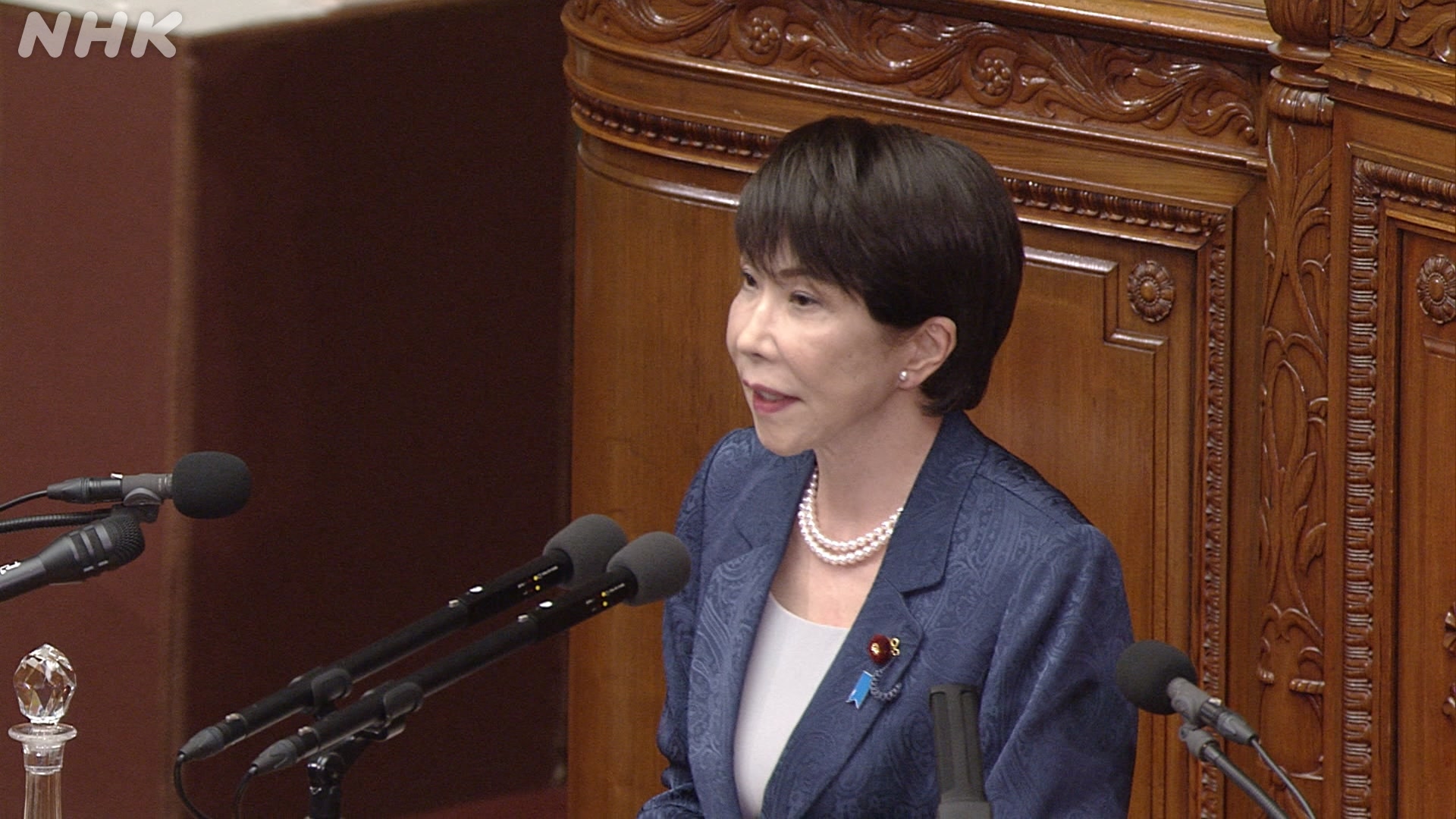
Takaichi: Protest lodged with US over Okinawa murder
2 minutes ago
 World
World
From Global Commitment to National Practice: World Teachers’ Day in Bangladesh
3 minutes ago
 World
World
World shares advance and oil prices fall as worries over inflation ease
3 minutes ago
 World
World
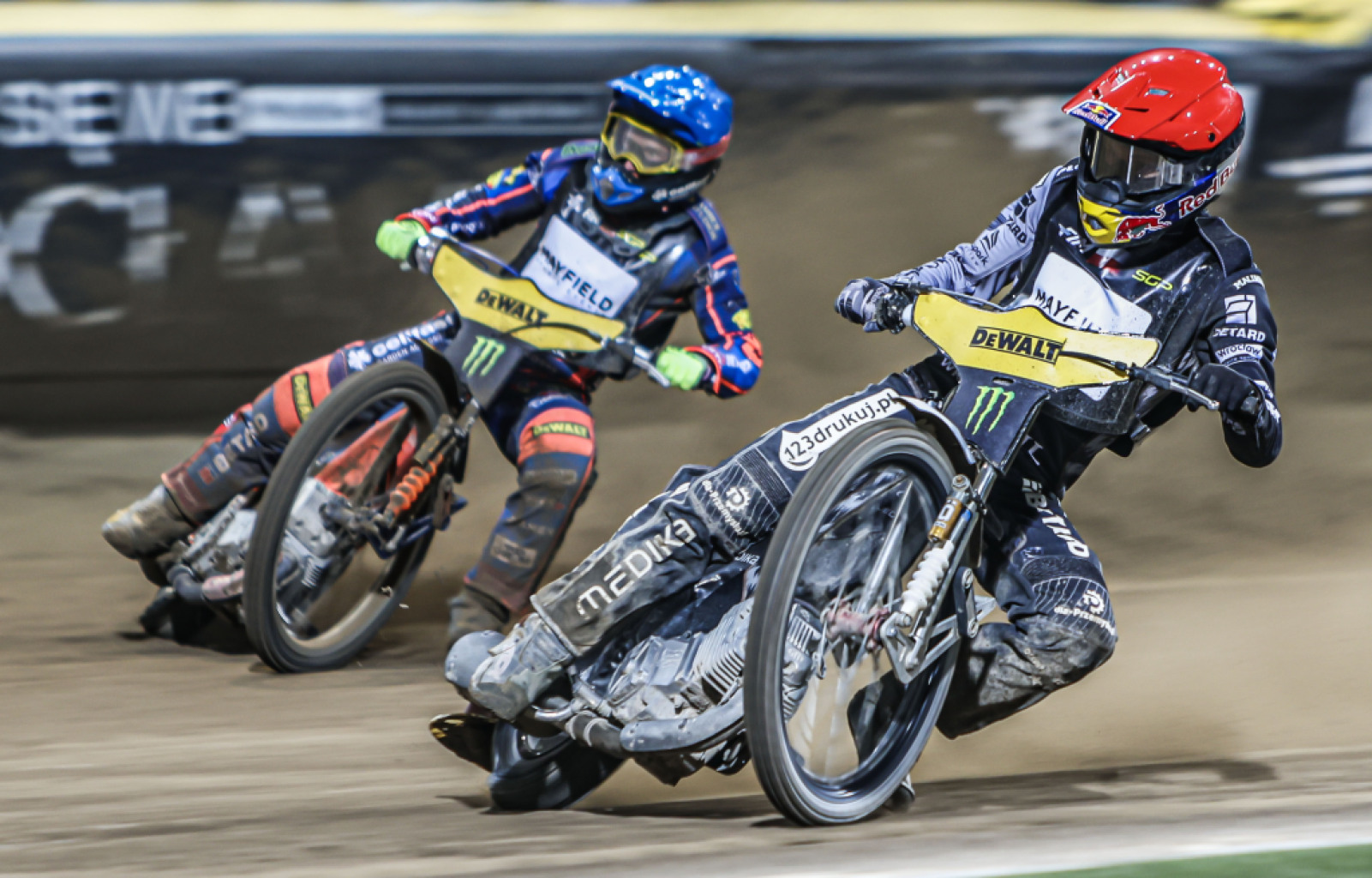
The World of Motorcycling- News detail
1 hour ago
 World
World
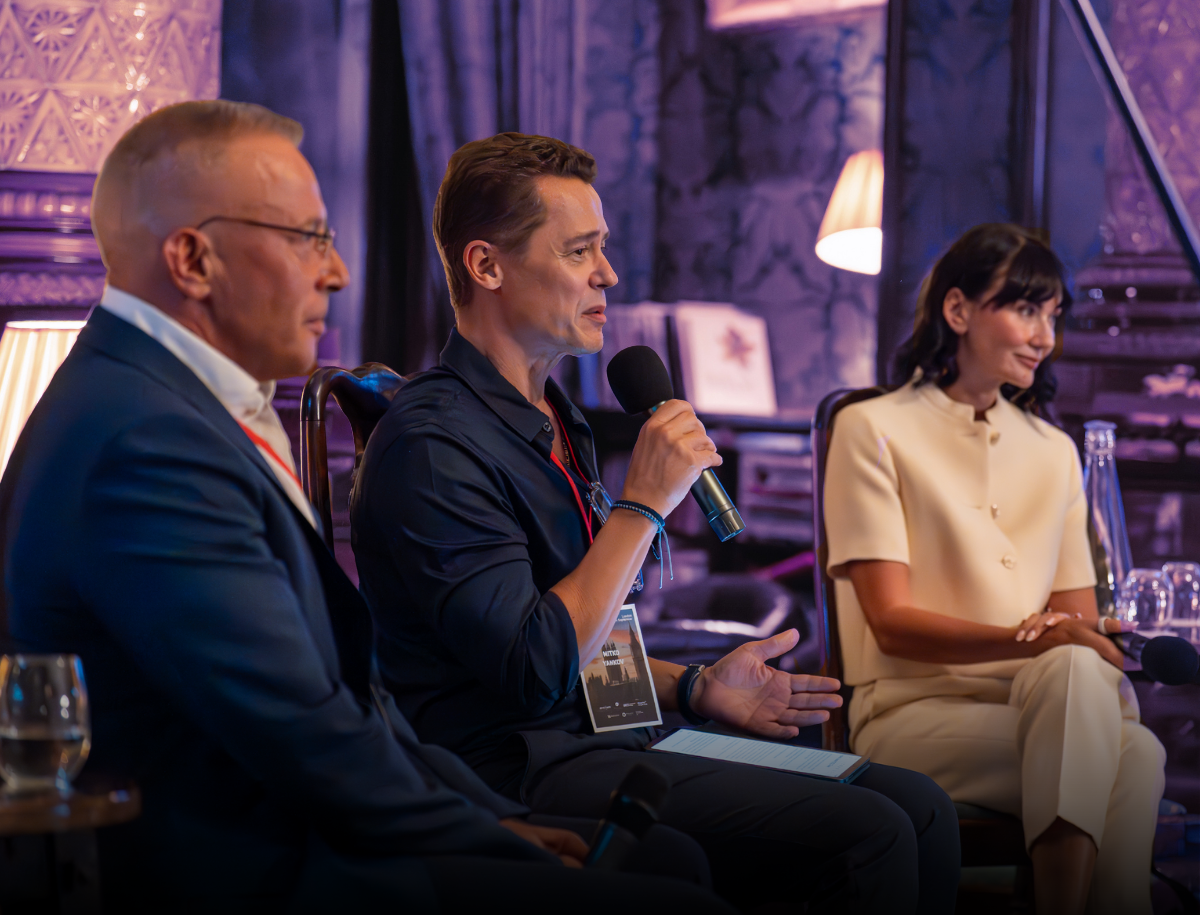
From Exporting Talent to Exporting Companies: Can Bulgaria Build the Next Global Unicorn?
2 hours ago
 World
World
Germany offers anti
3 hours ago
 World
World
Starlight interrupted: celebrating World Space Week
4 hours ago
 World
World
Government committed to a hate crime law
4 hours ago