
Analysis
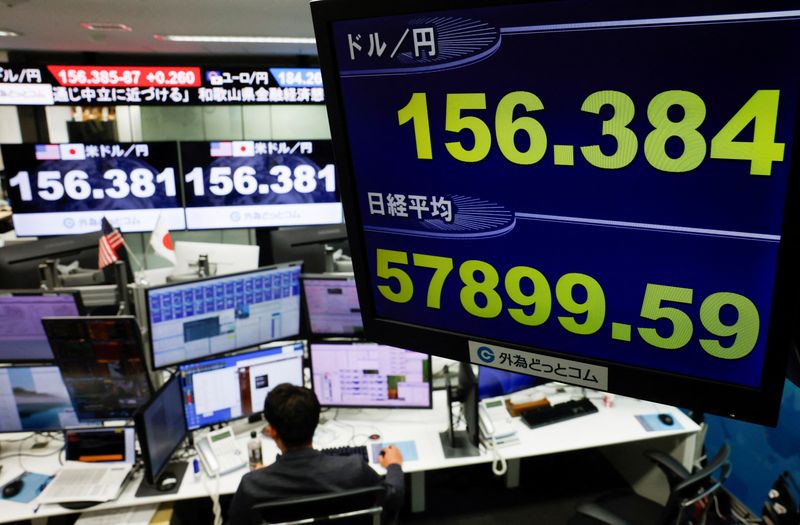
By Suzanne McGee, Gertrude Chavez-Dreyfuss and Yoruk Bahceli
NEW YORK/LONDON, March 2 (Reuters) - Investors are looking past the initial drama in the Middle East, with their hopes of a swift resolution to the crisis giving them confidence in buying the dip.
While markets on Monday had knee-jerk moves to the U.S. attacks on Iran, many of the initially more severe asset price moves moderated later in the trading day. Oil prices jumped but closed below their session highs. Stock markets across Europe fell but U.S. indexes had erased early losses to rise by afternoon trading.
"The main scenario that the market is pricing in right now is that there will be a prompt solution to this conflict," said Jacob Taurel, managing partner of Activest Wealth Management.
Investors said the market reaction was muted on Monday due to a general awareness that action in Iran was likely, leading to risk-off trading on Friday ahead of the move.
"This was all pretty well-advertised that action was coming," said Michael O'Rourke, chief market strategist at JonesTrading in Stamford, Connecticut. U.S. President Donald Trump had expressed disappointment on Friday about U.S. negotiations with Iran over its nuclear program.
"The build-up in forces was visible to us," said Ali Meli, founder and chief investment officer of private credit manager Monachil Capital Partners LP. "Generally, people were just hedging things... That's why today's reaction is very much muted."
Other factors that fed into Monday's trading were a buy-the-dip mentality in markets, an expectation that generally geopolitical impacts on markets fade and a view that the conflict would be soon resolved, strategists said.
Geopolitical events that have caused knee-jerk reactions include Russia's 2022 invasion of Ukraine, Trump's 2025 call for broad tariffs and subsequent negotiations with individual countries, and this year's U.S. intervention in Venezuela.
However, geopolitical events do not typically cause sustained volatility for equities, Morgan Stanley analyst Michael Wilson said in a note, adding that in the months after these occurrences, the S&P 500 typically rises.
Analysts at J.P. Morgan said in a note they expected a one-to-two-week decline in prices of riskier assets, but that would create "a buy-the-dip opportunity as the market looks through the initial pullback."
While the major U.S. equity indexes showed a muted response, there was more evidence of a reaction below the market's surface.
Related Stories
 Explainers
Why Karnataka politics keeps getting caught on camera
3 days ago
 Explainers
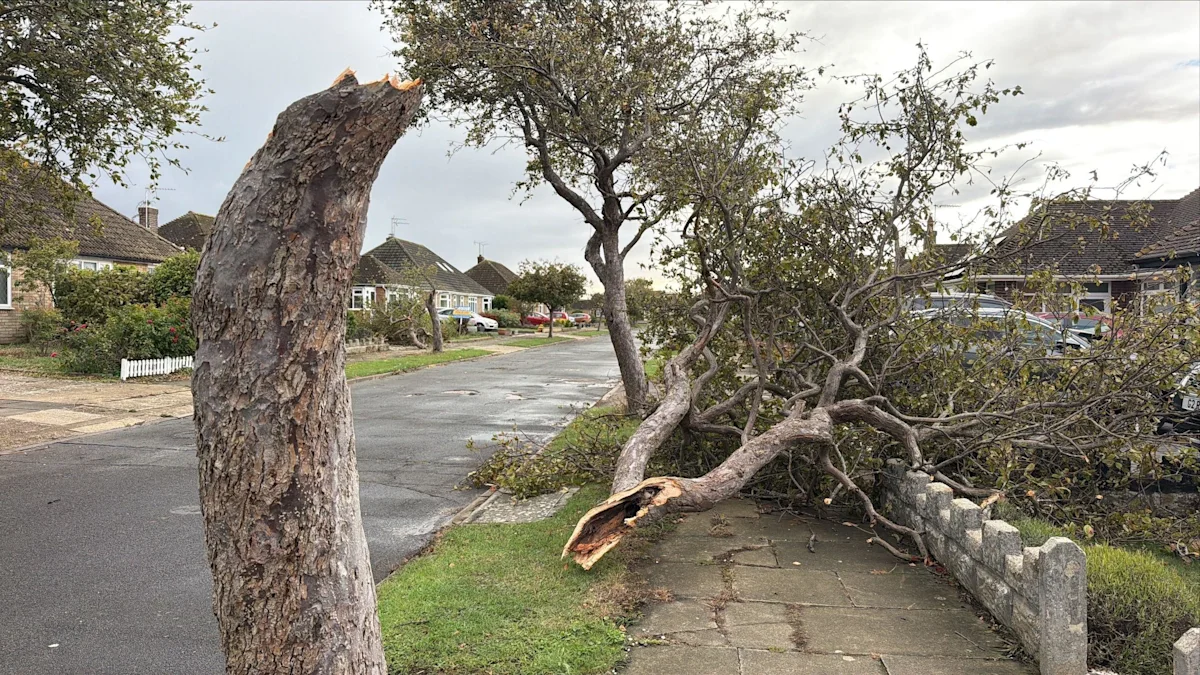
Rare waterspout may have damaged trees near coast
3 days ago
 Explainers
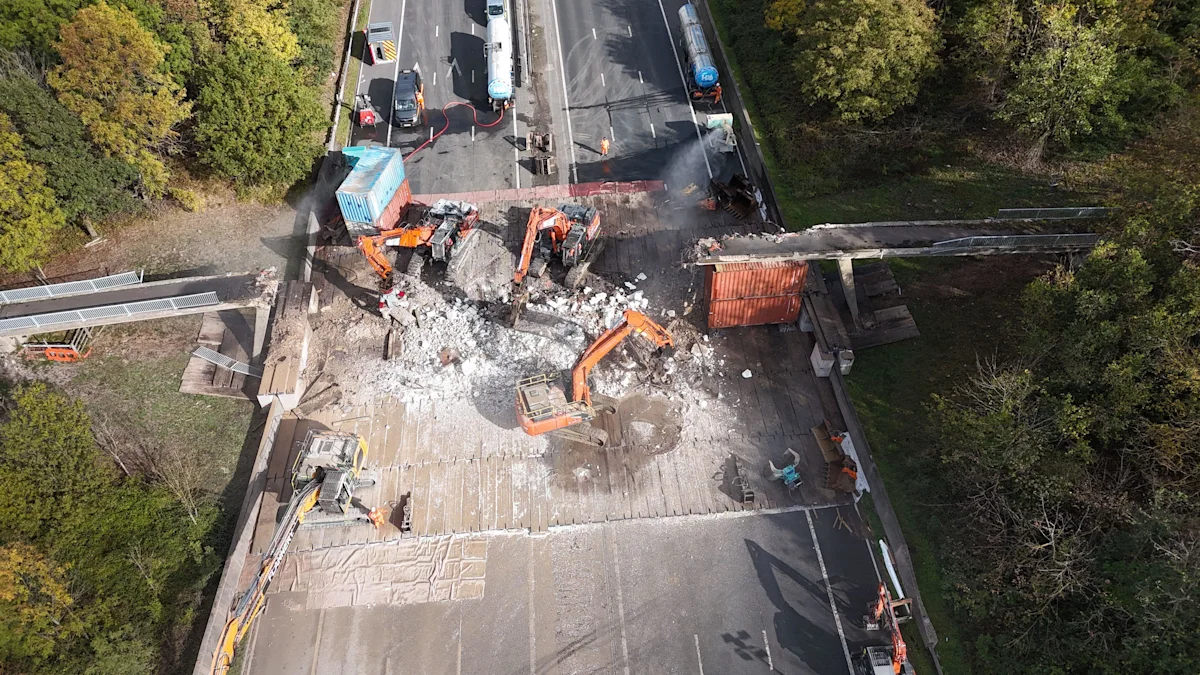
Demolition of M5 bridges is 'going smoothly'
5 days ago
 Explainers
Meteorologists' warning about "El Niño": it develops a second arm from the initial mass and heightens the forecast of its effects
5 days ago
 Explainers
Trump’s new press secretary is leaving the post
5 days ago
 Explainers
What is driving young anglophones out of Quebec?
5 days ago
 Explainers
What is Starshield, SpaceX’s military
1 week ago
 Explainers
Portal Innovations Venture Team Releases New Analysis on Capital Efficiency in Emerging Biotech Ecosystems
1 week ago