
American Tech Companies Are Suddenly Sweating Bullets as China Catches Up on AI

The head start that the US companies enjoyed in the AI race is quickly vanishing. Chinese competitors are now nipping at their heels, and it’s causing a wave of anxiety in the American sector.
Over a year ago, DeepSeek spurred an existential crisis — and a mass stock selloff — in the US tech industry when it released a competitive AI model created for a fraction of the cost of the leading American models.
If that was a wakeup call, then the release of GLM-5.2 last month is loudly banging on the front door. The model, from the Chinese start-up Z.ai, has been hailed as nearly or just as powerful as frontier US systems, especially when it comes to its coding capabilities and cybersecurity applications — while being significantly cheaper to use.
It’s generated heaps of discussion in tech circles. Marc Andreessen, one of Silicon Valley’s foremost venture capitalists, tweeted that “AI insiders are saying GLM-5.2 is the first Chinese AI model to match and often beat the American big lab public AI models with no compromises.”
Perhaps betraying their sense of a weakening grip on the field, US companies are crying foul about China’s AI ascension. Earlier this year, Anthropic accused China’s DeepSeek, Moonshot, and MiniMax of using a technique called distillation to illegally gather data to imitate its models, which is essentially claiming that they cheated their way to the front of the pack.
In distillation, a weaker “student” model is trained on the outputs of a more advanced “teacher.” AI labs routinely use this to create smaller and more efficient versions of the their largest systems, but Anthropic says Chinese firms are abusing the trick in a mass coordinated effort involving tens of thousands of accounts that probe its models for data that it can extract and use to train their own AI models, thereby effectively pilfering Anthropic’s tech. These claims were relitigated last month, when Anthropic sent a letter to US senators accusing Chinese titan Alibaba of also engaging in this practice.
“These distillation attacks are carried out illicitly, systematically and at industrial scale to harvest US AI capabilities across frontier labs and repackage them as their own,” Anthropic told the senators, per the New York Times.
But Anthropic may be wasting its breath. Distillation is an open secret among rivals in the US tech sector. And as the NYT notes, it’s not even clear if it’s illegal. Unless some court rulings go their way, US firms will have to rely on their own countermeasures to stop it. (Anthropic was caught trying to do this by secretly embedding code in its Claude Code model that allowed it to spy on Chinese users, creating alarm among its customer base.)
American firms could also benefit for some geopolitical strong-arming, such as the US cutting off China’s access to its powerful AI chips, or even blocking Americans from accessing Chinese models (which isn’t as far-fetched as it may sound, when you consider that the US threatened banning TikTok as a way of forcing China’s ByteDance into divesting its US operations, or that it’s also effectively banned Chinese electric vehicles, which are far cheaper than American ones, with prohibitively high tariffs).
Chinese firms may very well have used surreptitious measures to help catch up to the US, but according to the NYT, many experts believe that a distillation crackdown would be meaningless, as building a model as advanced as Z.ai’s can’t be explained by distillation alone. US firms may simply have to accept that their Chinese counterparts are now on equal footing. The complaining about distillation is a convenient distraction at a time when their coding products are under more scrutiny for being too expensive to use as they get deployed in corporate settings — or perhaps a desperate plea for the US government to intervene and rescue them from the horrors of global, free market competition.
More on AI: Bank of America Warns That AI Investors Are in for a Nasty Reality Check
Related Stories
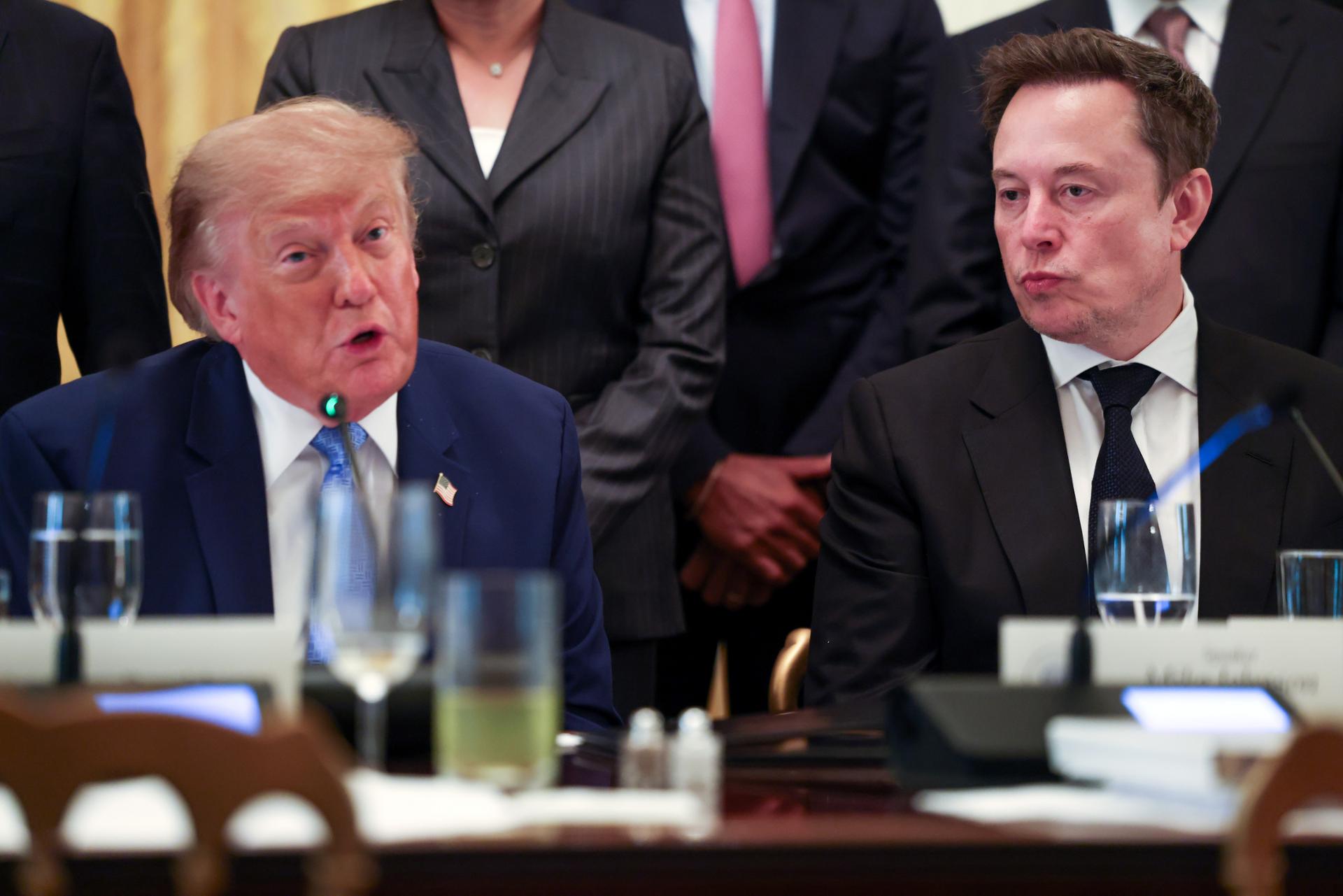 AI News
Trump says anyone who does not call AI 'super intelligence' is 'the enemy'
1 hour ago
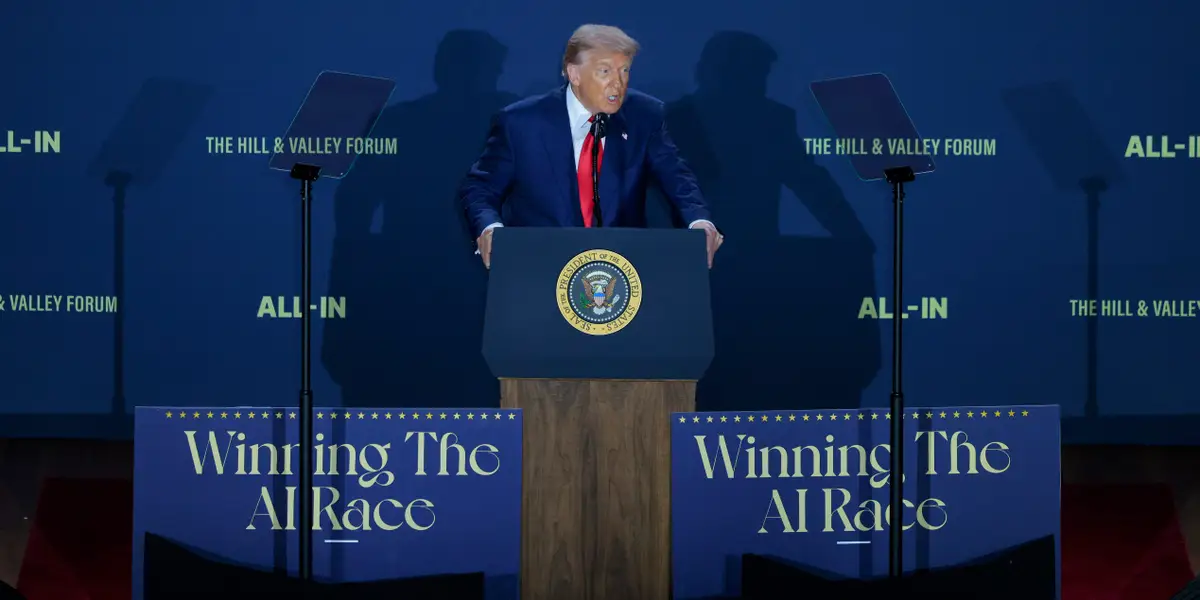 AI News
Trump says you're an 'enemy' of the White House if you don't support his AI rebrand
1 hour ago
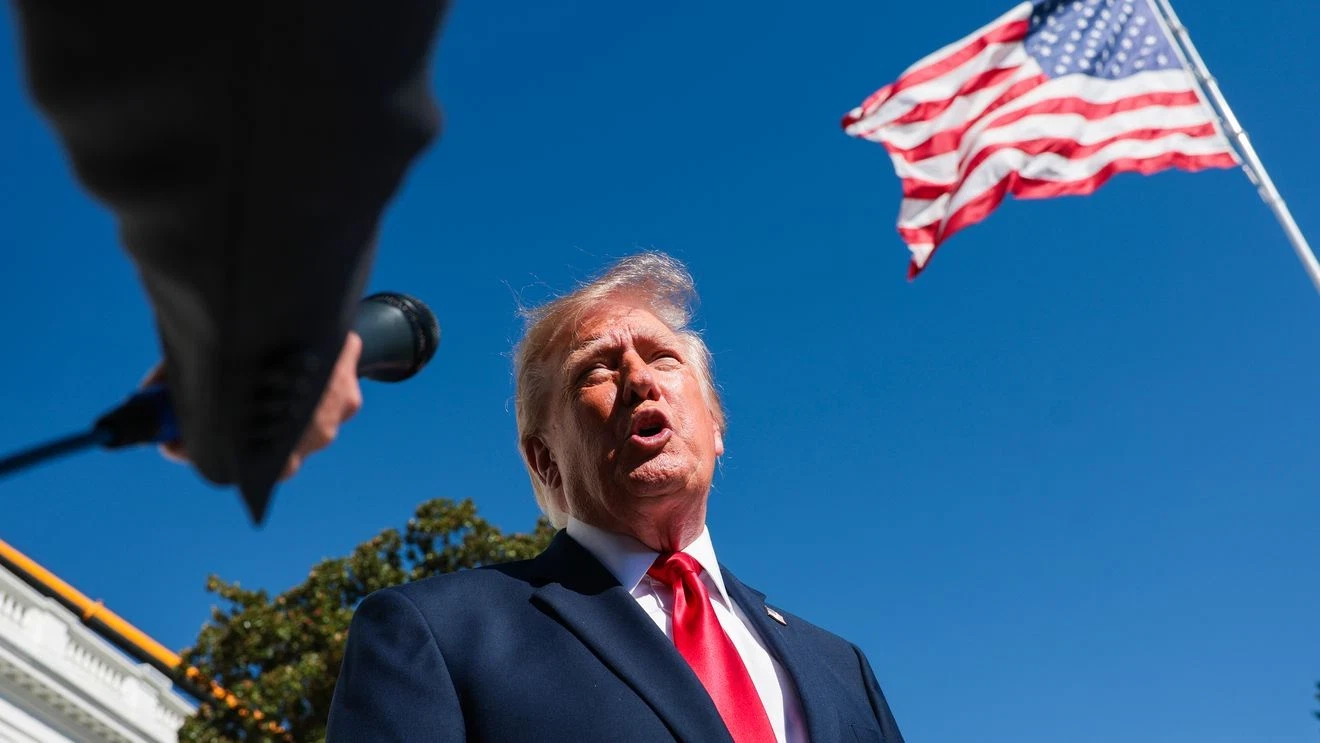 AI News
Trump gets mocked for saying those who say 'artificial intelligence' are enemies
2 hours ago
 AI News
Tool sprawl, AI complicate enterprise network operations
2 hours ago
Trump says anyone who does not refer to AI as ‘super intelligence’ is ‘THE ENEMY'
2 hours ago
 AI News
EmbeddingGemma 2: an open, lightweight multimodal embedding model
3 hours ago
 AI News
Artificial Intelligence in Drug Discovery Market Tops $7.4 billion by 2030, 26% CAGR; Asia
3 hours ago
 AI News
The White House considers anyone who uses the term "artificial intelligence" an enemy
3 hours ago