
AI Model Predicts 348 Diseases from Electronic Health Record, Genetics
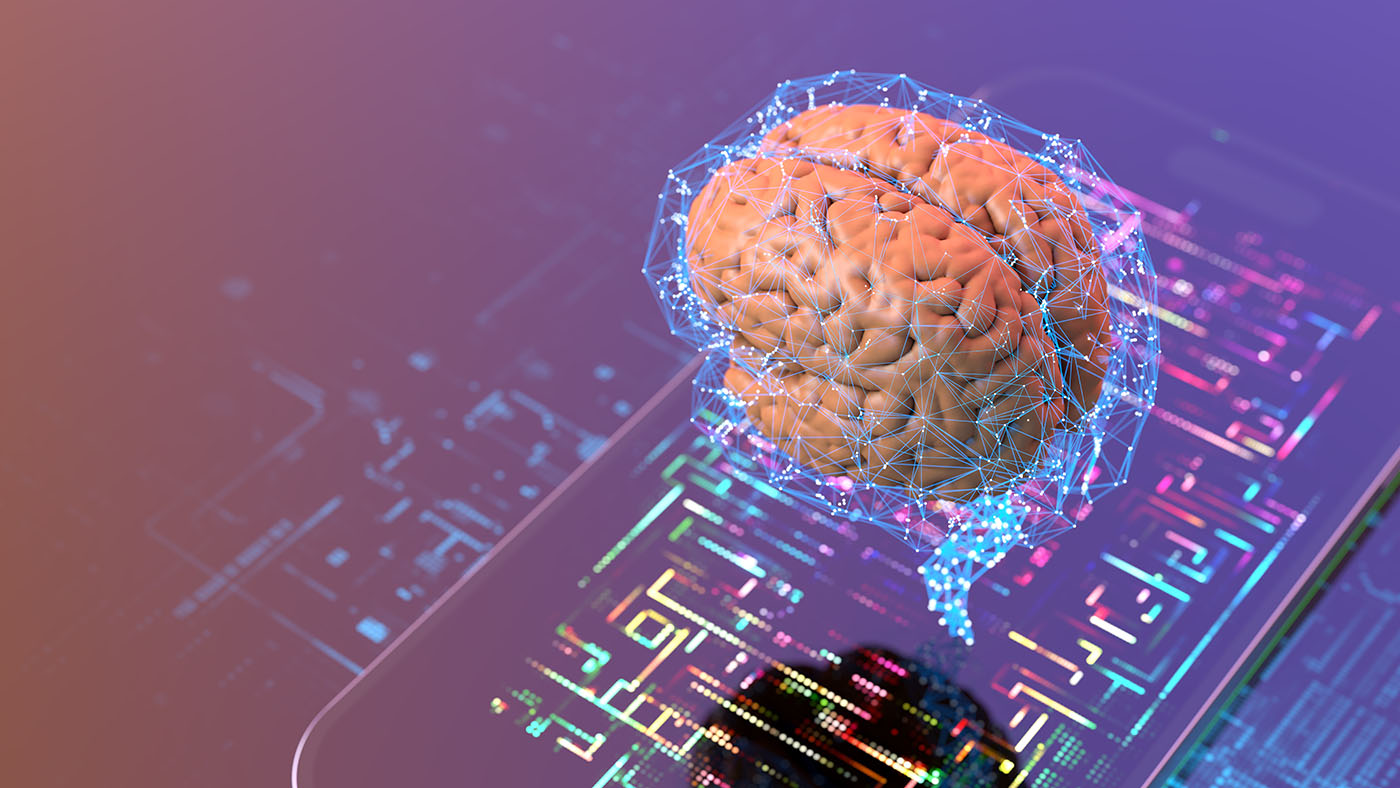
Research led by Harvard University shows an artificial intelligence algorithm can predict how likely it is that a given patient will develop 348 diseases based on data collected from electronic health records (EHRs) and genetic data.
As reported in Nature, the researchers built a new computational tool called ALADYNOULLI, a statistical machine learning model known as a Bayesian generative model, that jointly analyzes EHR data and genetics to model how disease risk evolves over an individual’s lifetime.
They applied it to over 683,000 participants across three independent biobanks, the UK Biobank, Mass General Brigham, and All of Us, covering 348 diseases and up to 52 years of follow-up.
ALADYNOULLI identified 21 disease signatures, which the researchers defined as clusters of conditions that tend to co-occur and evolve together over time, such as cardiovascular or metabolic disease. These were remarkably consistent across all three biobanks.
Crucially, the model also revealed biological subtypes within the same diagnosis: for example, early-onset and late-onset heart attacks showed distinct signature trajectories, suggesting different underlying mechanisms. Genetics also contributed to disease predictions, for example, in the case of cardiovascular disease the team found 23 cardiovascular variants missed by conventional single-disease analyses.
“We have painstakingly curated these signatures, which is a big differentiator. In contrast to deep learning approaches, which are typically ‘black boxes,’ our curated signatures capture the underlying biology in an interpretable way,” said co-lead author Giovanni Parmigiani, PhD, a Dana-Farber researcher and associate director of the Division of Population Sciences, in a press statement. “These signatures are then the drivers of the model’s ability to make predictions.”
For disease prediction, ALADYNOULLI substantially outperformed established clinical risk scores such as the Pooled Cohort Equation and PREVENT for cardiovascular disease, and the Gail model for breast cancer.
“There is a lot of useful information in a medical record, both over time and across different disease areas,” says Parmigiani. “That data would be difficult for a human to process in their head, but tractable for a machine learning model.”
Current medicine largely treats diseases in isolation and uses static, single-disease risk scores. ALADYNOULLI offers a unified, continuously updating health prediction for each patient that integrates their full diagnostic history and genetic predisposition simultaneously. This has major implications for earlier and more precise risk prediction, patient stratification in clinical trials, and genetic discovery.
“People are thinking about what their health is going to look like over the next few years, especially with increasing intervention options. This tool offers a path toward improving the prediction of future diseases so doctors and patients can take action to try to prevent them,” said co-senior author Alexander Gusev, PhD, a Dana-Farber scientist.
The team behind the model is now working to make the model broader and more accurate. They are also looking for opportunities to test the model in clinical practice and to help design better clinical trials.
Related Stories
 AI News
Ford government looks to change rules after PC MPPs bill $120K for Toronto hotel rooms
33 minutes ago
 AI News
FIFA Fan Festival, Nathan Phillips Square watch parties cancelled due to poor air quality
33 minutes ago
 AI News
Maine protests after ICE fatally shoots a motorist, in photos
33 minutes ago
 AI News
More people around the world now favour China over the US, Pew study suggests
33 minutes ago
 AI News
French MPs approve assisted
33 minutes ago
 AI News
Why is India blocking film on a man who counted Punjab insurgency killings?
34 minutes ago
 AI News
Expect 'very poor' air quality lasting until Friday in Waterloo region and Guelph areas
34 minutes ago
 AI News
UVic social researcher recognized for contributions to Canada
34 minutes ago