
AI Leak Detection Tech to Save Millions of Liters
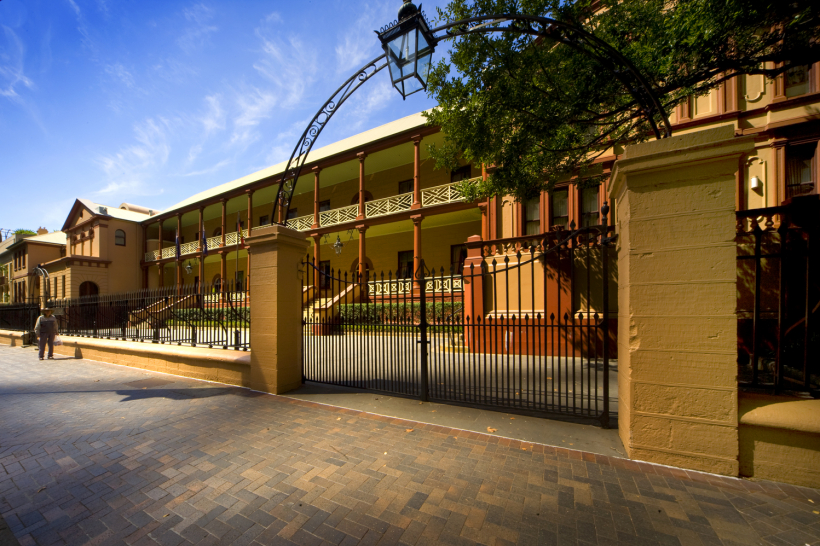
The Minns Labor Government is investing in the development of a new AI-powered monitoring platform designed to detect leaks faster and save enough water each year to supply 13,500 homes.
The innovative technology is expected to save up to 2,700 megalitres of water annually by helping government agencies identify and fix leaks before they become costly and wasteful.
An average school for example uses about 2 million litres of water per year, with an estimated 20 per cent of that attributed to leaks.
An individual toilet can leak as much as the average school's water use across the year.
Backed by a $4 million investment through the NSW Water Efficiency Program, the new NSW DataDrop portal will bring smart-meter data from government buildings across the state into a single near real-time platform for the first time.
Developed in partnership with the Smart Water Informatics team at Griffith University, the portal will use advance analytics and AI-powered leak detection technology to help major water users such as schools, TAFEs and hospitals better monitor water use, reduce waste and improve efficiency.
The technology is a gamechanger for large and complex sites, where traditional monitoring methods often struggle to distinguish between normal activity and hidden leaks.
NSW Datadrop will replace hundreds of leak alerts with consolidated leak reports, using advanced analytics and AI.
Through analysing smart-meter data, the system automatically identifies unusual patterns, estimate water and cost losses, and triggers alerts to users, ensuring leaks can be fixed before they become costly or wasteful.
DataDrop will also feature a dedicated, student-friendly interface, giving school students insight into their school's water use and the urban water cycle, supported by ready-to-use lesson plans and hands-on activities such as water audits.
In collaboration with NSW water utilities and agencies, the portal will integrate water use and property data to improve understanding of consumption patterns across different sectors, strengthen benchmarking, and support better planning, and management.
NSW DataDrop is on track to be ready for use by mid-2027.
Minister for Water Rose Jackson said:
"Water is our most valuable and previous resource and we want to make every drop count, particularly as we enter drier summer conditions.
"We know better monitoring delivers real water savings, and NSW DataDrop's near real-time smart meter will provide quicker detection across many government buildings.
"If water is running in the middle of the night in an empty building, the system will flag it straight away, saving water and preventing taxpayers money from literally going down the drain.
"This is technology that can go further, with the potential to be rolled out across other sectors and into homes, helping households and businesses take greater control of their water use."
Griffith University School of Engineering & Built Environment, Professor Rodney Stewart said:
"Our leak algorithms turn a flood of smart meter data into a clear roadmap for maintenance teams, ensuring they fix the right leaks at the right time.
"NSW DataDrop is common sense backed by innovation where every litre of water saved means less waste, lower costs and better outcomes for the community and the environment."
Related Stories
 Technology
How 'Buy Canadian' is changing grocery aisles
1 hour ago
 Technology
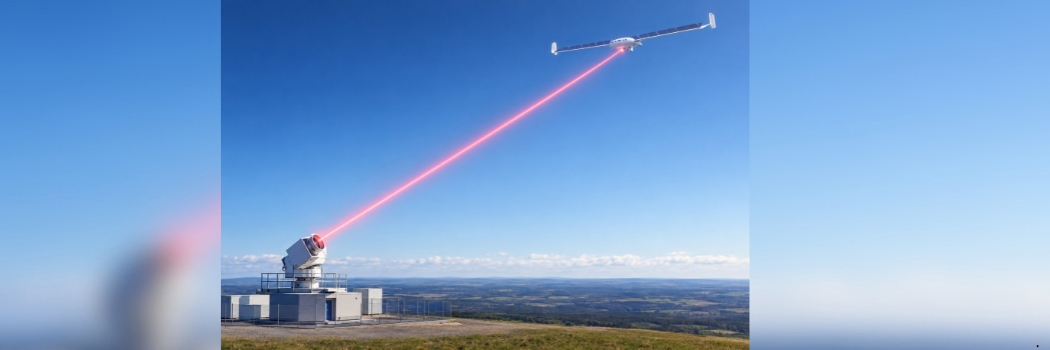
Durham Joins £5.3M Laser Power Tech Project
1 hour ago
 Technology
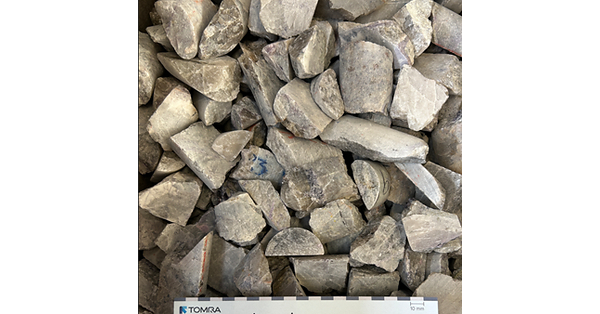
PMET Successfully Completes Phase 2 Caesium Testwork Program with Koch Technology Solutions
1 hour ago
 Technology
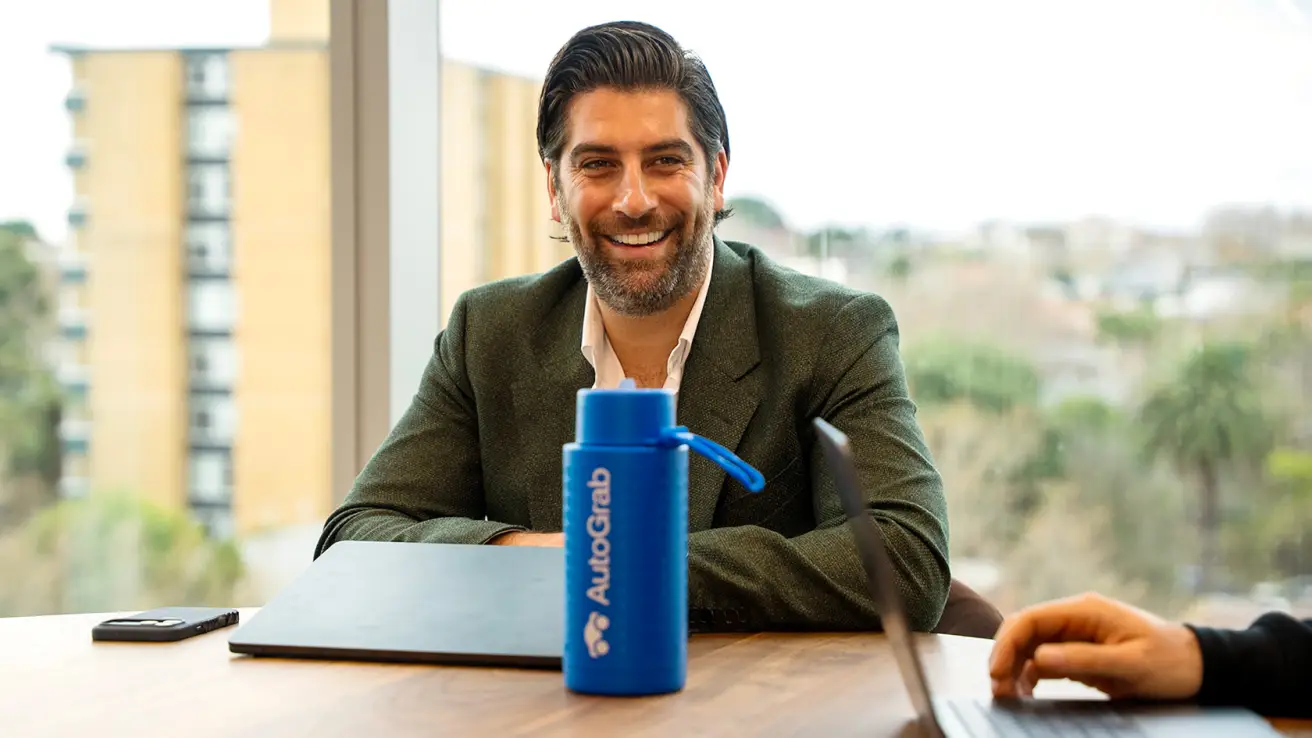
From life-saving care to a car pricing app: Top Australian innovators on how they're problem
2 hours ago
 Technology
Walter Dinicola Named WEDA President
2 hours ago
 Technology
RIST Extends R&D Support to Local Firms, Startups and Students
3 hours ago
 Technology
DGIST Partners With France's ENPC to Train Deep Tech Founders
3 hours ago
 Technology
Busan Center Seeks Six Startups for Tokyo Expo Push
3 hours ago