
AI in International Arbitration: risks and key developments

Artificial intelligence in international arbitration: a new reality
As AI tools become embedded in legal practice—from document review to case strategy their use in international arbitration raises pressing questions for companies using arbitration. How should arbitration users navigate the risks AI creates for their disputes, from award enforcement to the protection of privilege?
Courts and institutions worldwide are responding with decisions and guidelines as the landscape is evolving rapidly. This article informs in-house counsel on the key developments of AI in international arbitration.
Recent court decisions and institutional rule-making confirm that generative AI is no longer a hypothetical concern for international arbitration but rather an active source of procedural risk. For instance, this year, the Quebec Superior Court annulled an arbitral award in which the arbitrator used AI-hallucinated authorities as the basis for key portions of the reasoning.1 The court held that delegating decision-making to AI breaches the autonomy inherent in the parties’ choice of arbitrator.
A U.S. court was presented with a similar issue in a petition to vacate an award, but the court dismissed the action on jurisdictional grounds without evaluating the underlying AI delegation argument. 2Separately, the DIFC Court noted AI-generated errors in a witness statement before staying the proceedings in favor of arbitration.3 These are among the first decided cases signaling AI’s emerging impact on arbitral proceedings, with many more undoubtedly pending.
So far, arbitral institutions are responding proactively. Salient examples include:
These developments will affect arbitrator selection, procedural directions on AI use in arbitration proceedings, and critically, the enforceability of awards, as AI-related challenges become a realistic avenue for delay and annulment.
For companies, protection of privilege represents the most immediate risk. The Southern District of New York held that documents generated using AI were protected by neither attorney-client privilege nor work product doctrine.9 The District of Colorado required disclosure of the AI tool used and prohibited uploads of confidential information to platforms lacking contractual safeguards.10 And while AI prompts crafted by counsel were recognized as work products by the Northern District of California, that protection was partially waived where outputs were used offensively.11
Courts worldwide have also imposed sanctions for unverified AI-generated submissions. In England and Wales, lawyers were referred to the Bar Standards Board and SRA for citing hallucinated case law.12 In Singapore, personal costs orders were imposed for AI-generated fictitious authorities. The Supreme Court of India characterized a trial court’s reliance on AI-generated judgments as “misconduct” rather than mere error.14 French courts have identified fabricated AI-generated case law in several decisions, warning counsel—though not yet sanctioning them—to verify references against “hallucinations”.15 For clients, these risks translate into undermined case credibility, wasted costs, exposure, and reputational harm. The use of AI-assisted document review tools, including tools such as Relativity aiR, whose disclosure obligations are the subject of pending US litigation,16 further underscores the need to establish clear protocols with counsel on technology-assisted processes at the outset of any proceeding.
As this area of law continues to develop, arbitration users should keep abreast of the latest developments and seek advice from practitioners with expertise in both international arbitration and artificial intelligence a—combination that has become essential for effective dispute management.
1. ARIHQ v. Santé Québec 2026 QCCS 1360
2. LaPaglia v. Valve Corporation 3:25-cv-00833-RBM-DDL
3. Stelian Gheorghe v. BSA Ahmad Bin Hezeem & Associates [2025] DIFC CFI 045
4. Article 16.5, KCAB International Arbitration Rules (2026)
5. JAMS Rules Governing Disputes Involving Artificial Intelligence Systems (2024)
6. CIArb Guideline on the Use of AI in Arbitration (2025)
7. SCC Guide to the use of artificial intelligence in cases administered under the SCC rules (2024)
8. ICC Commission on Arbitration and ADR - Survey for Task Force on AI in Dispute Resolution (2026)
9. United States v. Bradley Heppner 25 Cr. 503 (JSR)
10. Archie Morgan v. V2X INC. 2026 WL 864223
11. Concord Music Group v. Anthropic PBC 2025 WL 3677935
12. R (Ayinde) v. Haringey LBC [2025] 1 W.L.R. 5147
13. Tan Hai Peng v. Tan Cheong Joo [2026] SGHC 49
14. Gummadi Usha Rani v. Sure Mallikarjuna Rao SLP(C) No. 7575/2026)
15. TJ Périgueux, 18 décembre 2025, N° RG 23/00452; TA Orléans, 29 décembre 2025, N° 2506461; CAA Bordeaux, 26 février 2026, N° 25BX02906
16. In re Agilon Health Inc. Securities Litigation 1:24-cv-00297-DAE
Related Stories
 AI News
Google Helps Accenture Embed AI Engineers With Customers
15 minutes ago
 AI News
Guardio Raises $40M at a $1.1B Valuation
1 hour ago
 AI News
Artificial Intelligence in Italy: Compliance Roadmap after the Digital Omnibus
1 hour ago
 AI News
AI Stocks: OpenAI Declares The 'AGI Era' Is Here Amid IPO Fervor
1 hour ago
 AI News
Senegalese space expert Maram Kaire appointed Associate Editor of Deep Space Exploration Journal
2 hours ago
 AI News
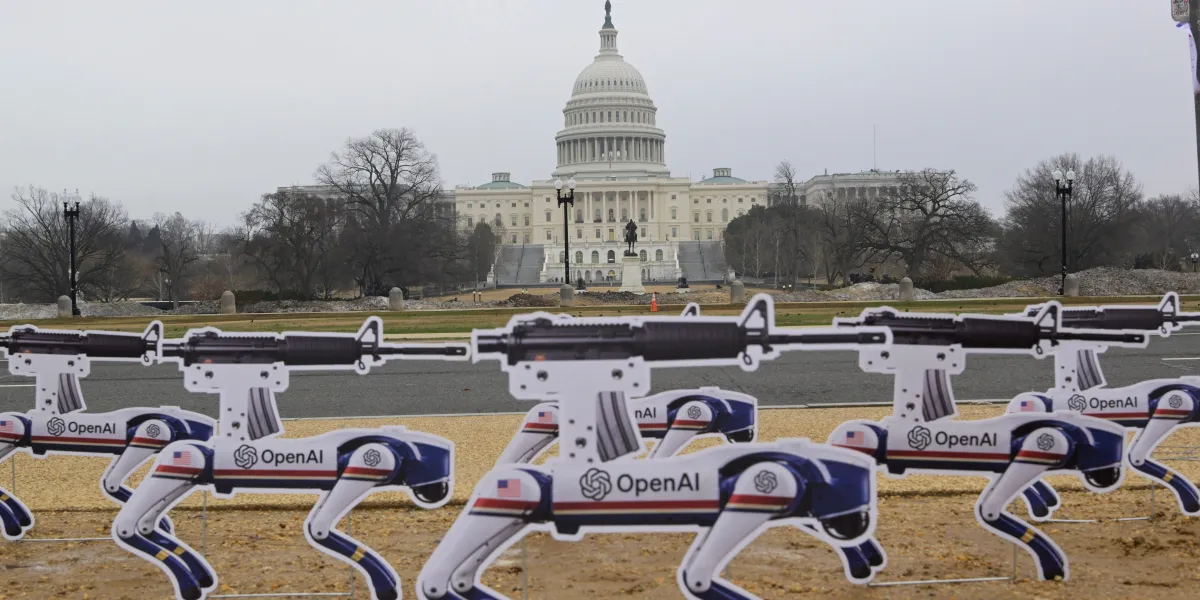
The Pentagon Asked OpenAI for Artificial Intelligence Designed to Rarely Say No
3 hours ago
 AI News
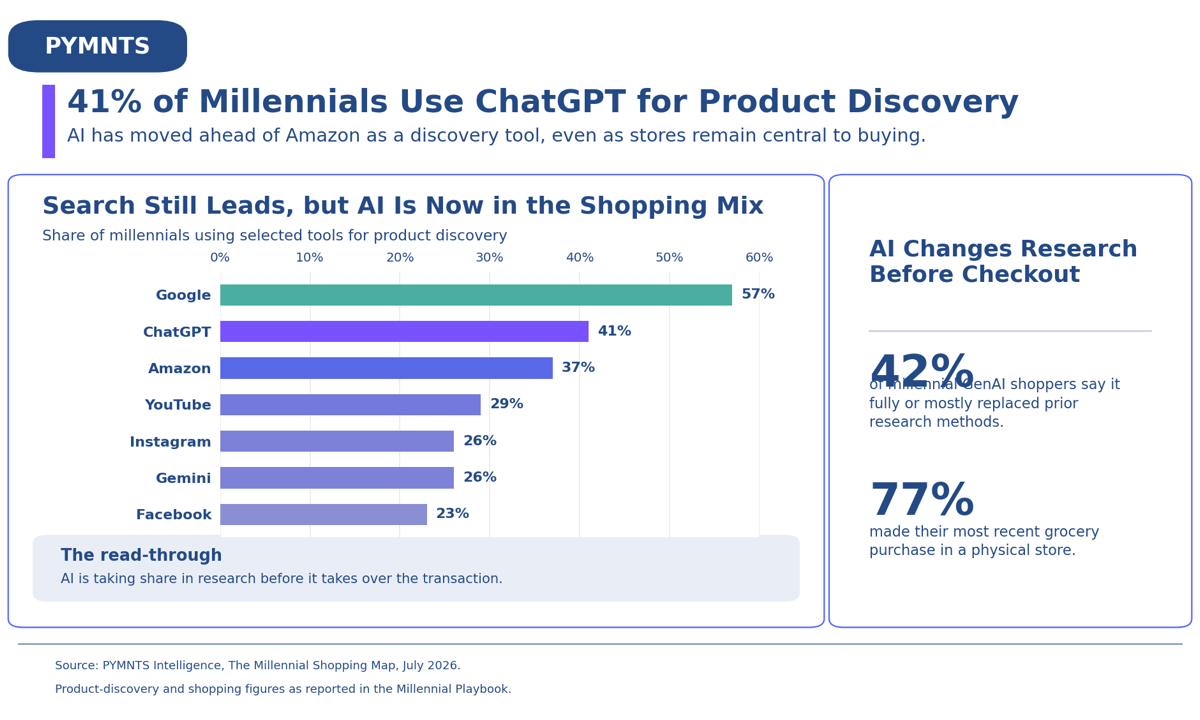
41% of Millennials Use ChatGPT for Product Discovery
4 hours ago
 AI News
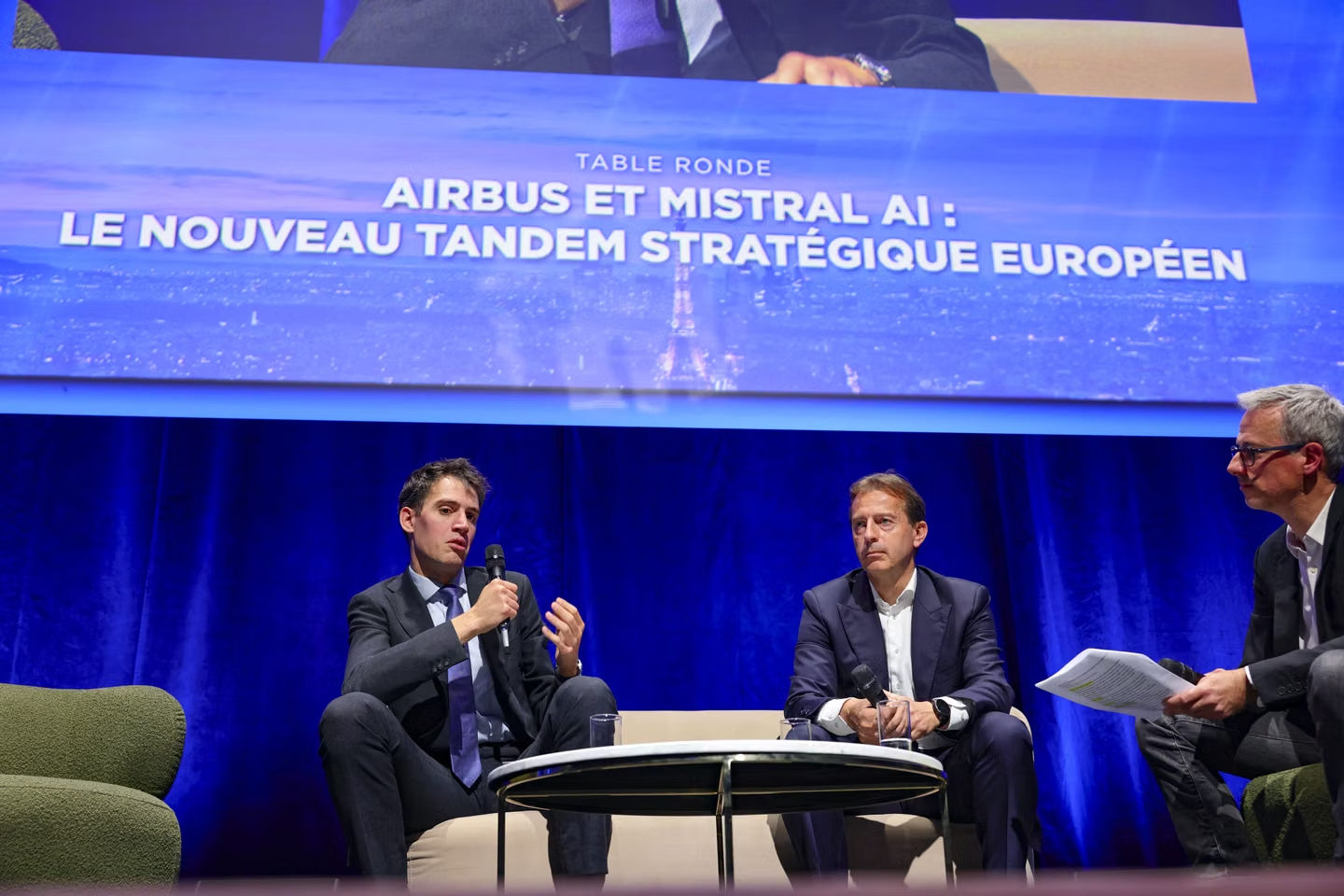
Mistral AI raises €3 billion in response to doubts over its strategic direction
4 hours ago