
A.I. ‘Employees’ Might Disrupt Work in Unexpected Ways
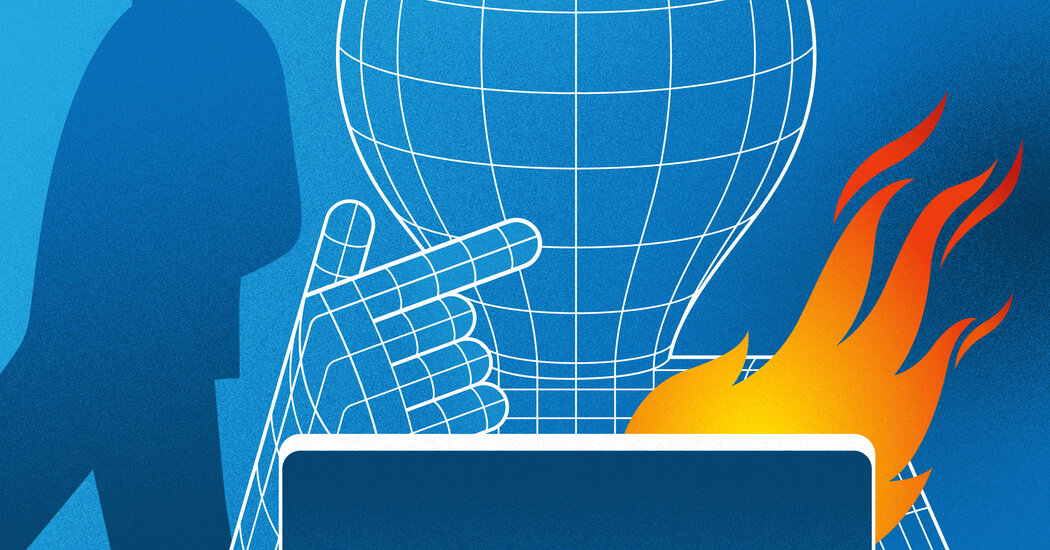
Over the past year or two, companies have started using so-called artificial intelligence agents as bona fide “employees,” even including them in their organizational charts.
Emma Wiles, a Boston University professor who studies how A.I. affects workers, stumbled onto this phenomenon in October, at a conference where two human resources executives said that treating A.I. agents like real employees was a way to increase productivity and to put their companies on the cutting edge.
But when Dr. Wiles and three collaborators from Boston Consulting Group investigated further, they discovered a pitfall. In an experiment involving dozens of companies with A.I. employees, the researchers found that managers tended to vet documents less carefully when told an A.I. employee had produced them. The managers missed errors that other managers caught when told they were vetting the work of a human.
Dr. Wiles speculated that managers didn’t think sussing out mistakes made by A.I. employees was their responsibility. If something went wrong, they could dismiss it as the fault of the tech team, or of the executives who wanted A.I. employees in the first place. “But it’s not your problem,” she said, channeling the managers’ mind-set about their own roles.
In the years since A.I. burst onto the scene, many companies have become aware of flaws produced by the technology and, at times, taken steps to offset them. They know that A.I. models can be biased against certain groups of people, like nonwhites. They know that chatbots can provide confident but incorrect answers to queries. They know that the bots sometimes spill the beans on information that should remain private.
But as companies race to bring A.I. into their day-to-day operations, researchers are discovering more subtle defects. In principle, these flaws could be corrected, too. For example, companies could hold managers directly responsible for the mistakes of A.I. subordinates.
Thank you for your patience while we verify access. If you are in Reader mode please exit and log into your Times account, or subscribe for all of The Times.
Want all of The Times? Subscribe.
Related Stories
 Technology
When Tech Companies Die, What Happens To The Products They Leave Behind?
4 days ago
 Technology
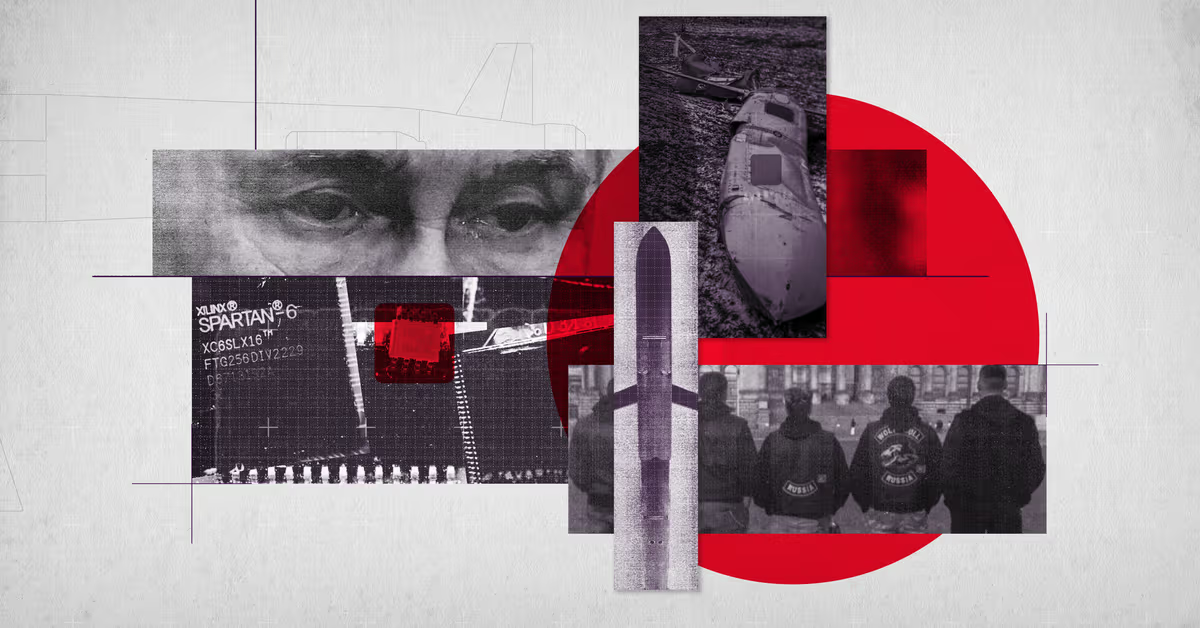
Two Finns supplying Russia with missile tech worth tens of millions
4 days ago
 Technology
Drones with pepper spray, four
4 days ago
 Technology
Micron Technology stock pre-market at EUR 800.50: memory storage - ad
4 days ago
 Technology
TAIEX Ends at 4
4 days ago
 Technology
ZAWYA: Technology, start-ups can double India
4 days ago
 Technology
Czech government to consider CZK 1 billion fund for startups
4 days ago
 Technology
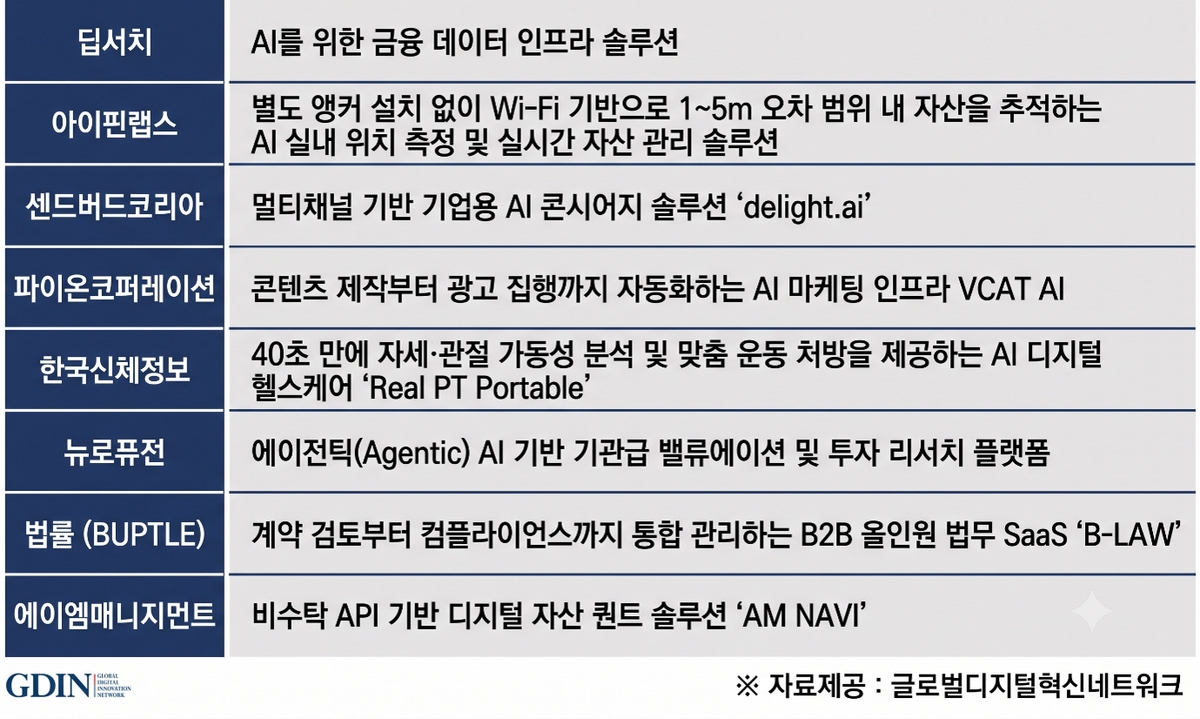
GDIN Supports Eight Startups at CEATEC 2026 in Japan, Opens Door to Local Investor Collaboration
4 days ago