
AI Bros Are Having a Meltdown Because the Associated Press Stylebook Clarifies That AIs Don't Have Feelings
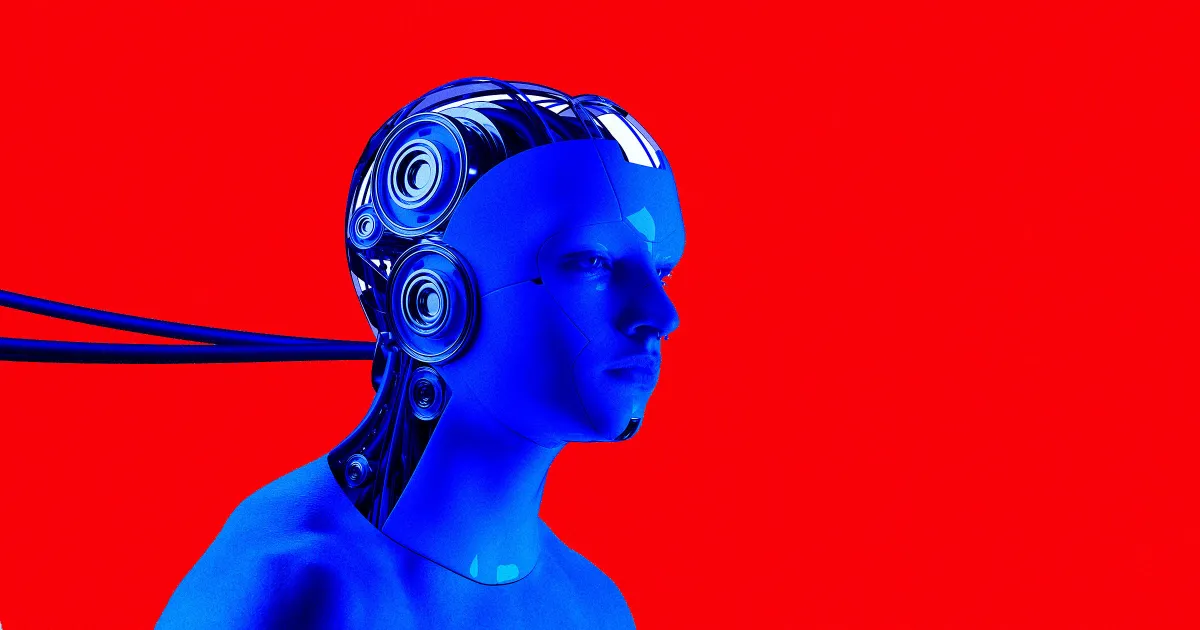
In the midst of heated discussions on AI safety and consciousness, the Associated Press Stylebook has reminded everyone of where it stands on the whole “anthropomorphism” debate.
“Artificial intelligence systems do not think, feel, want or understand. Avoid language that gives them human characteristics,” it wrote Wednesday in a post on X. “This is called anthropomorphizing, when we ascribe human traits, emotions or behaviors to non-human things, such as animals or inanimate objects.”
This didn’t go over well in the world of AI experts and adherents, whose nerves, shall we say, were collectively struck by what they characterized as a “completely insane” declaration.
“I’m not sure a *style book* should be making such confident metaphysical pronouncements,” fumed Alan Rozenshtein, a member of technical staff at Anthropic.
Henry Shevlin, a philosopher and AI ethicist at Google DeepMind, suggested that the AP was being hypocritical because it anthropomorphized none other than Optimus Prime — the fictional, sapient robot from the “Transformers” franchise — in a film review.
“An AP movie review can tell us Optimus Prime mourns and loves, but readers need protecting from ‘the computer understands,'” he wrote. “We routinely use mentalistic language without literal commitment. You’d hope a style guide could distinguish using words from believing things.”
OpenAI’s head of strategic futures Dean Ball was also indignant.
“AIs *clearly* think and understand,” he averred. “If your definition of ‘think’ excludes entities that can autonomously resolve Millennium Problems, it is your definition that is flawed,” he added, referring to how OpenAI’s models found a solution to a famous math problem (a claim that itself is fraught with controversy). “This desire to avoid anthropomorphic language has become a pathology,” he added.
It’s true that there’s some debate among philosophers and scientists over whether AI models think or feel, but even saying that’s probably lending the AI-is-sentient-camp a little too much credence. Fascinating a possibility as it is to consider, there’s no consensus that AI systems have these experiences.
It’s a testament to how defensive, if not cultish, that AI advocates have become that merely suggesting that large language models don’t think, let alone in the way humans do, is cause for indignation. Even supposing that it’s possible that AIs are already experiencing human-like emotions, why not err on the side of caution and stick to language that doesn’t bias us in favor of viewing these things as already alive, especially when there’s a trillion dollar industry at work trying to hype its tech as a powerful force that we should let change our lives?
More on AI: Alarming Study Suggests That Using AI Is Turning Humans More Robotic
Related Stories
 AI News
Anthropic turns Claude into an AI marketplace with 2,000+ plugins and connectors
49 minutes ago
 AI News
Why Marvin Minsky was way ahead of his time.
49 minutes ago
 AI News
Overreliance on AI could replace 'social intelligence' in the workplace, protocol expert warns
1 hour ago
 AI News
Guide to TGA regulation of AI medical devices in Australia
1 hour ago
 AI News
Dassault Tests Artificial Intelligence Integration on Rafale Fighters
2 hours ago
 AI News
Indian-origin executives in demand to helm C
2 hours ago
 AI News
Anthropic and OpenAI sound alarm on AI safety
2 hours ago
Organized Labor Is ‘Confronting Artificial Intelligence As An Existential Danger To Workers’ As The National AFL
3 hours ago